






















Aadil Bandukwala writes about a room in Bangalore, but what his post really captures is a way of working. Aadil Bandukwala describes an afternoon that was not about spectacle, not about announcements, and not about marketing. It was about people who care deeply about hiring sitting together and thinking honestly about what must change. In a world obsessed with velocity, this kind of pause matters.
Aadil Bandukwala sets the scene with restraint. There is no dramatic framing, only clarity: why the group gathered and what they hoped to achieve. That tone carries through the entire post. The emphasis is not on speakers as stars but on the quality of conversation. Aadil Bandukwala highlights how the session was shaped by patterns rather than predictions, an important distinction in an AI-first era. Patterns ask us to observe. Predictions often let us perform.
What stands out is how Aadil Bandukwala frames change in hiring. It is not portrayed as disruption for its own sake. It is described as an obligation. As AI reshapes how code is written and work is done, hiring must evolve without losing trust, rigor, or fairness. That triad, trust, rigor, fairness, keeps appearing implicitly through Aadil Bandukwala’s reflection. It signals that speed alone is not progress.
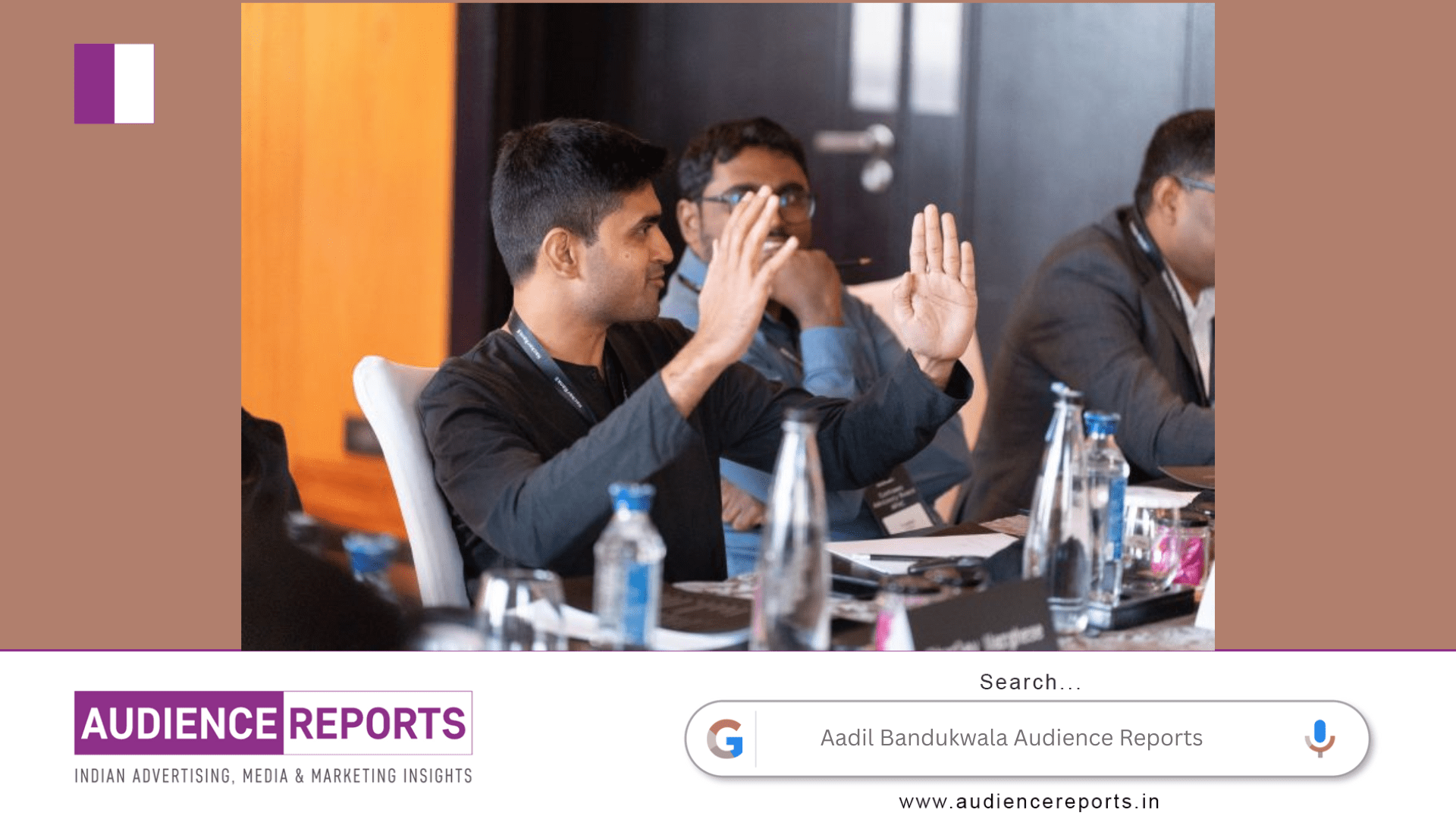
Aadil Bandukwala spends time on the people in the room. These are not passive attendees. They are leaders bringing “real questions, real challenges, real examples.” The language matters. It suggests that progress in complex systems does not come from slides. It comes from friction. Aadil Bandukwala shows that the value of such a gathering lies in what surfaces when smart people speak honestly about what is breaking.
There is also a subtle lesson in how Aadil Bandukwala describes the flow of the day. From a focused afternoon to a quieter executive dinner, the rhythm changes, but the intent remains. Conversations deepen. The energy shifts from structured to reflective. This reminds us that strategy is not only built in conference rooms. It often takes shape in unhurried dialogue, when people feel safe enough to think out loud.
Aadil Bandukwala does not frame the event as a success because it ran smoothly. He frames it as meaningful because it felt like a “moment.” That word carries weight. A moment is not a milestone. It is a turning point in perception. Customers were not reacting to the past; they were helping shape what comes next. Aadil Bandukwala positions this as “building in public” and “building with customers,” not as slogans, but as practice.
In many organizations, feedback is collected after decisions are made. Aadil Bandukwala’s reflection points to a different posture, one where customers participate in the formation of direction. It is slower. It is messier. It is also more honest.
Aadil Bandukwala’s post reminds us that in an AI-first world, the hardest problems are still human. How do we decide fairly? How do we preserve integrity? How do we read signal when noise increases? Technology can assist, but these questions remain ours.
Aadil Bandukwala does not offer answers. He offers a process: bring the right people together, create space for real conversation, and let the future be shaped in the open. That may be the most durable advantage any team can build.