


























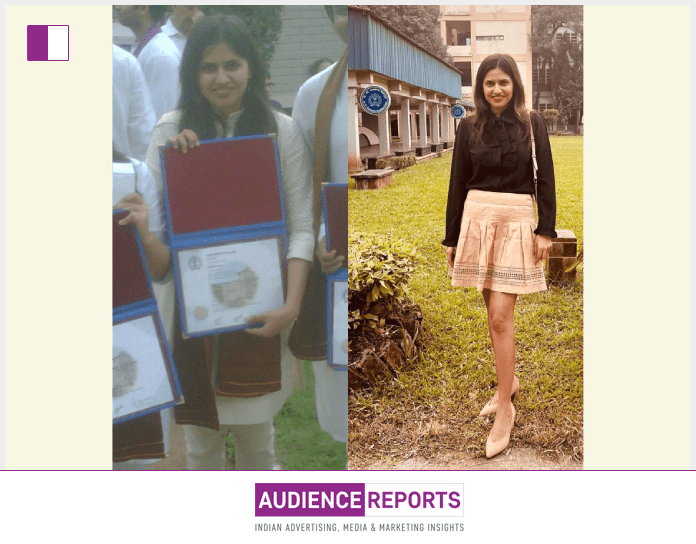
Ahana Gautam, Founder & CEO at Open Secret, often engages her audience with reflections that are both personal and universally relatable. In one of her recent posts, she took a bold step into a conversation many shy away from the contrast between brutal honesty and emotional support, especially through the lens of her IIT experience. It wasn’t a corporate lesson or startup success mantra. It was a deep, vulnerable dive into the unspoken language of friendship, resilience, and cultural change.
Ahana Gautam began by recalling a moment that most professionals can relate to: reconnecting with old friends and realizing how different, and yet deeply familiar, their style of communication once was. During her time at IIT, the strongest expressions of affection were wrapped not in compliments or affirmations but in sarcasm, sharp jokes, and unfiltered criticism. For Ahana Gautam, this wasn’t just nostalgia it was a questioning of whether those experiences built her up or embedded habits that needed unlearning.
Ahana Gautam’s post stands out because it goes beyond a personal anecdote. It probes into a collective behavioral pattern one that’s prevalent among high-performing, competitive groups. The culture of “tough love,” especially in elite academic institutions, has long been romanticized as a character-building crucible. According to Ahana Gautam, in those environments, if someone did well, the response was often a roast instead of recognition. It was as if praise had to be disguised in jest to be palatable.
Ahana Gautam isn’t romanticizing the past. She’s asking hard questions about it. Was that environment one that nurtured strength, or did it simply normalize emotional suppression? In an era where mental health, empathy, and vulnerability are slowly gaining ground in the professional sphere, her questions aren’t rhetorical they are an open invitation for introspection.
Ahana Gautam doesn’t frame her IIT friendships as toxic. She honors the loyalty that came with them. The people in her life back then might not have showered her with praise, but they were unwavering in their support. They showed up. Without explanations or expectations. And perhaps, as Ahana Gautam suggests, that’s a form of love not captured in leadership books or corporate training modules.
Still, her post shows that she’s evolved. Today, as the leader of a purpose-driven startup, Ahana Gautam operates in a world where communication demands more than just directness. It requires compassion, inclusion, and a willingness to unlearn patterns that no longer serve. She acknowledges that radical candor a popular term in modern leadership, walks a thin line between honesty and unkindness. And she doesn’t pretend to have all the answers. Instead, she holds space for contradiction.
What’s powerful about Ahana Gautam’s voice is her ability to bring authenticity into leadership narratives. As the head of Open Secret, a brand known for its mission-driven, health-conscious approach to snacking, she could easily stick to product pitches and market wins. But Ahana Gautam chooses something more challenging. She brings the human side of entrepreneurship to the forefront. Her reflections reveal that leadership is not just about KPIs or vision decks; it’s about continuous self-awareness.
In this post, Ahana Gautam puts forth a dilemma that’s especially relevant to millennials and Gen Z professionals. How do we balance being honest with being kind? Is there space for raw truth in today’s hyper-sensitive environments? Or have we gone too far in the other direction, afraid to speak plainly for fear of offending?
By sharing her personal growth, Ahana Gautam isn’t claiming superiority. She’s initiating a much-needed conversation. As someone who has likely navigated high-pressure environments from IIT to the world of startups she’s earned her perspective. And she uses it not to instruct, but to reflect. That’s a rare and valuable quality in today’s content-saturated world.
What Ahana Gautam also subtly does is challenge the myth of emotional detachment as strength. The notion that resilience comes from rough treatment is one that many professionals have internalized. But Ahana Gautam questions that. Not with outrage or condemnation, but with curiosity. She invites readers to examine what shaped them and what they’ve chosen to retain or leave behind.
In doing so, Ahana Gautam builds more than a brand. She builds trust. Because vulnerability in leadership is not weakness it’s a form of strength that fosters connection. Her ability to look at her past with both fondness and scrutiny shows a maturity that’s often missing in performative storytelling.
Ahana Gautam’s post is ultimately not about nostalgia or criticism. It’s about evolution. She recognizes the value of her formative years, but she also recognizes the need for growth. And that balance between gratitude and questioning is what makes her voice so relevant.
Ahana Gautam doesn’t just lead a company; she leads by example. By daring to ask, “Was that kind of tough love better or broken?” she opens the door for others to explore their own definitions of strength, support, and leadership.