
























Ahana Gautam has always believed in breaking silence whether it’s around business innovation or personal well-being. As the Founder & CEO of Open Secret, she has built a brand rooted in honesty, nourishment, and empowerment. But her recent reflection on women’s health reveals something even more powerful the importance of learning, unlearning, and reclaiming ownership of our own bodies.
Ahana Gautam begins her post with three lessons she wishes she had learned earlier, and through them, she subtly captures the quiet struggle and resilience that define so many women’s journeys. Her insights go beyond health advice they touch on self-awareness, societal conditioning, and the cost of neglecting what truly matters.

Ahana Gautam’s first point is simple yet transformative “Protein isn’t optional.” For years, the fitness and nutrition narrative has been gendered. Growing up, many women internalize the belief that protein is something men need for muscle growth, gym routines, or athletic training. But Ahana Gautam breaks that myth by reminding us that protein is not about vanity; it’s about vitality. It fuels our skin, hair, hormones, immunity, and energy levels the building blocks of a healthy, functioning life.
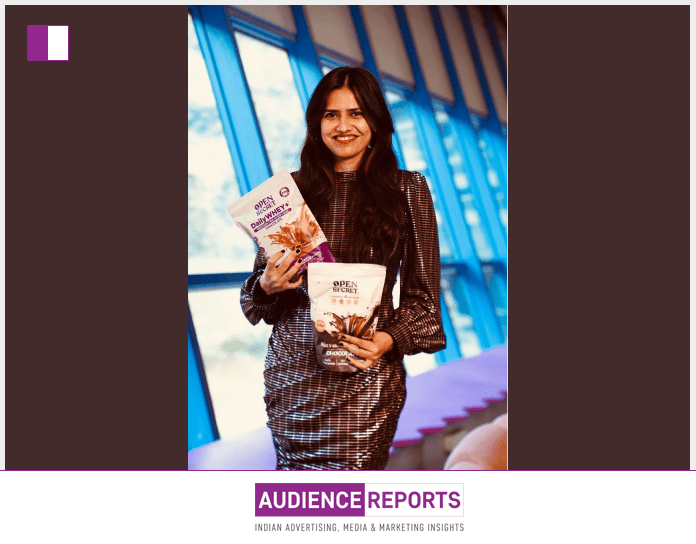
What’s powerful about Ahana Gautam’s perspective is that she’s not preaching from a distance. She’s speaking from experience. By consciously integrating plant protein into her diet, she discovered a tangible difference a “game-changer,” as she puts it. It’s a small shift, yet it represents something profound: the idea that caring for oneself isn’t indulgence, it’s necessity. Ahana Gautam uses this lesson to awaken awareness that women’s bodies are not secondary systems to be managed around responsibilities but central engines that deserve fuel and attention.
Her second truth “Sleep is non-negotiable” carries the weight of lived reality. Ahana Gautam admits that she once equated success with relentless effort. Like so many driven individuals, especially women balancing multiple roles, she believed hard work alone would yield results. But the body, as she learned, has its own terms. When deprived of rest, it rebels. Sleep deprivation doesn’t just affect mood or focus it disrupts hormones, slows recovery, and accelerates aging.
Ahana Gautam reframes sleep not as the opposite of productivity but as its foundation. This insight dismantles the toxic culture of constant hustle that glorifies exhaustion as a badge of honor. In her words, “Sleep isn’t the opposite of productivity it’s what sustains it.” It’s a statement every ambitious person needs to hear and more importantly, internalize. Because in truth, sustainability not speed defines long-term success.
Ahana Gautam’s third lesson is perhaps the most intimate and revolutionary “Periods aren’t a weakness.” It’s a statement of defiance against generations of conditioning that have taught women to hide, minimize, or push through their menstrual cycles in silence. The way society treats menstruation as a taboo or an inconvenience has shaped how women perceive their own bodies.
But Ahana Gautam reframes this narrative entirely. She calls the menstrual cycle what it truly is feedback from the body. Each cycle reflects health, hormonal balance, and inner rhythm. Understanding it, rather than ignoring it, can actually enhance energy, productivity, and well-being. It’s a reminder that our bodies are constantly communicating with us if only we choose to listen.
In sharing this, Ahana Gautam opens a larger conversation about how society still trivializes women’s health. From nutrition myths to menstrual shame, from glorified sleeplessness to burnout disguised as ambition the system often rewards self-neglect and penalizes self-care. And yet, as Ahana Gautam points out, women’s health is not a niche topic; it’s half the world’s health. That single sentence holds the essence of her message women’s well-being isn’t just a personal concern, it’s a societal foundation.
What stands out in Ahana Gautam’s reflection is her humility. She doesn’t position herself as a health guru or expert; instead, she speaks as a learner. “I wish I had learned these earlier,” she admits, acknowledging that wisdom often comes through experience sometimes painful, sometimes transformative. That honesty is what makes her message resonate.
Ahana Gautam’s journey reminds us that leadership is not only about building companies it’s also about building awareness. Her post bridges the gap between entrepreneurship and empathy, between success and self-care. In doing so, she embodies a new kind of role model one who acknowledges vulnerability as strength.
In a world where women are often taught to endure rather than express, to adapt rather than question, Ahana Gautam’s voice acts as a quiet rebellion. She reminds us that understanding our health from protein to periods is not just personal knowledge, it’s empowerment. It’s the act of reclaiming agency over our bodies, choices, and energy.
Ahana Gautam’s reflections invite us to pause and ask ourselves What have we normalized that’s actually harming us? Is it the glorification of sleepless nights? The guilt around taking rest? The silence around our biological rhythms? The answer, as her words suggest, lies in awareness in paying attention, in asking questions, and in treating self-care not as luxury but as discipline.
In the end, Ahana Gautam’s post isn’t merely about health; it’s about awakening. It’s a call to re-examine the patterns that shape how women live, work, and thrive. And in that call lies a profound truth when women start listening to their bodies, they don’t just heal themselves; they help heal the world.
Through her journey, Ahana Gautam shows that success and self-care are not opposing forces they are two sides of the same strength. Her message is clear, grounded, and deeply human. And perhaps the most inspiring part of it all is that she’s still learning, still evolving, and still leading not just with her mind, but with her awareness.