



























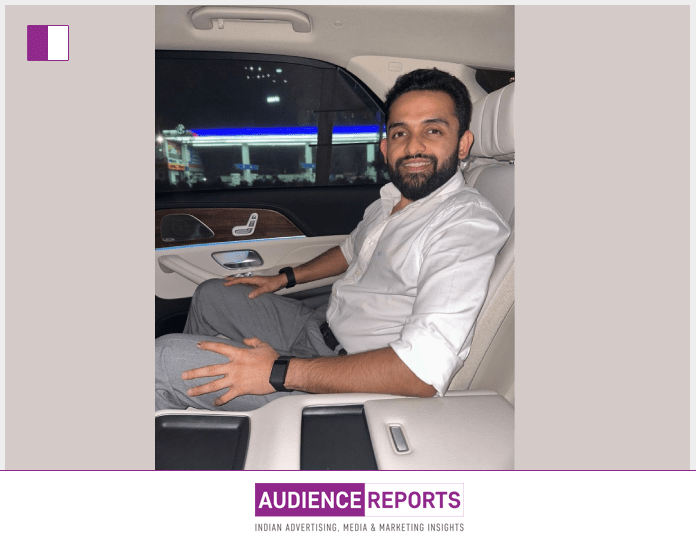
Alay Jhaveri has a story that resonates deeply with anyone who has struggled to balance ambition with responsibility. In a world where family wealth often becomes a shortcut to comfort, his journey reflects the value of discipline, self-restraint, and the importance of building financial maturity on one’s own terms. Rather than simply stepping into privilege, Alay Jhaveri chose a path that required him to measure his lifestyle by what he earned, not by what his family could provide.
Alay Jhaveri recalls a pivotal moment in his twenties. At 21, in 2010, he was working in finance, trading equity markets, and making a respectable income for his age. He could have easily relied on his father’s success and indulged in a luxury car straight away, but he made a very different choice. Instead of seeing family wealth as his immediate entitlement, he decided that his personal net worth would define his purchases. This single decision shaped the financial wisdom he would carry forward into his career and entrepreneurship.

Alay Jhaveri created a rule for himself: he would never spend more than 8–10% of his monthly income on a car EMI. By this logic, the Volkswagen Vento, not the Mercedes-Benz, was what he could afford. For six years, he drove the Vento everywhere, valuing it not as a compromise but as a teacher. The car symbolized the discipline of living within his means and the maturity to understand the difference between financial security and financial independence.
What makes this story stand out is not the cars themselves but the mindset that defined the decision. Alay Jhaveri saw family wealth not as a piggy bank but as a safety net something that existed in the background but did not define his choices. This perspective is often rare in younger generations surrounded by access and ease. By consciously setting boundaries, he forced himself to learn lessons about money that no finance classroom could ever fully convey.
When 2016 arrived, circumstances had changed. Through careful investments, career progress, and business growth, Alay Jhaveri finally felt ready to buy the Mercedes he had always admired. The purchase was not about showcasing success but about reaching a point where he could sustain such a lifestyle from his own accomplishments. The contrast between the Volkswagen and the Mercedes was not about luxury versus necessity; it was about growth, self-assurance, and the patience to wait until the timing was right.
The discipline of those early years influenced how Alay Jhaveri approached entrepreneurship. Running a business requires an understanding of unit economics, sustainability, and resource management. By already living through these principles in his personal life, he brought them naturally into his professional journey. He understood that profits, like personal earnings, had to be reinvested thoughtfully rather than spent impulsively. That mindset became a foundation for leadership and for building Jhaveri Flexo with a focus on long-term value.
The story of Alay Jhaveri is also a reminder to young professionals navigating their twenties. The temptation to match lifestyles with peers or family wealth is strong, but real maturity lies in creating a lifestyle aligned with one’s own income. That gap the space between what is available through family privilege and what is achievable through individual effort is where resilience and financial intelligence are built. Living within your means does not mean denying ambition; rather, it means building the right conditions to sustain ambition in the long run.
For Alay Jhaveri, the Volkswagen Vento was more than just a car. It was a classroom on wheels, teaching him lessons in patience, humility, and financial responsibility. The six years he spent with it offered him something no shortcut could provide the confidence that he could climb step by step toward his aspirations without losing balance. The Mercedes that came later was not just a car but a symbol of growth that had been rightfully earned.
In sharing his story, Alay Jhaveri highlights something many overlook: discipline with money translates into discipline with leadership. Entrepreneurs often struggle because they fail to separate business cash flow from personal indulgence. But for Alay Jhaveri, the line had always been clear. He knew that the strength of a business, much like the strength of personal finances, comes from living by principles, not appearances.
His message to today’s youth is powerful in its simplicity: let your lifestyle reflect your income, not your family’s. If you are in your twenties, this lesson can set the tone for the decades ahead. By resisting the urge to overextend or depend on inherited privilege, you give yourself the chance to build something of your own. And in doing so, you not only grow financially but also develop the self-confidence that comes from knowing your achievements are yours alone.
Ultimately, the journey of Alay Jhaveri reminds us that independence is not about rejecting what your family can offer, but about proving to yourself that you can stand on your own. Family wealth may provide safety, but self-earned wealth provides identity, purpose, and pride. In the end, the true luxury is not in the car you drive but in the discipline that drives you forward.