























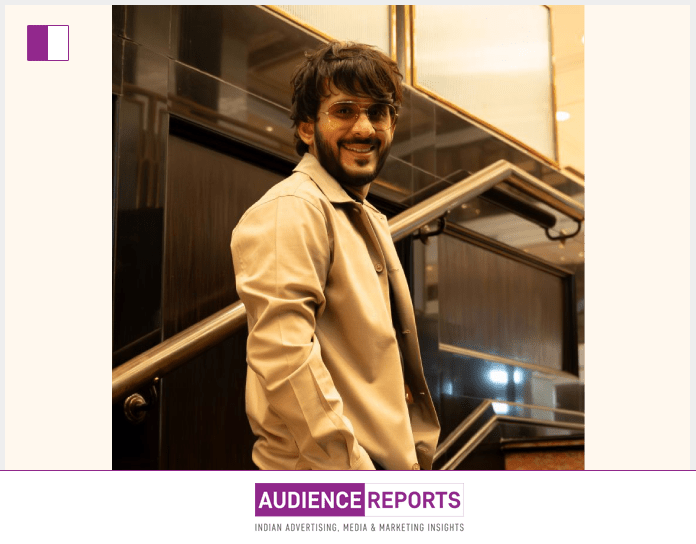
Aman Gupta has always believed that work is not just about doing but also about questioning, learning, and evolving. In his recent reflections, he sheds light on the profound difference between the work culture he grew up in and the one he now experiences as Co-Founder and CMO at boAt Lifestyle. His perspective is a reminder of how generational shifts in thinking are reshaping not only workplaces but also the way leadership itself must adapt.
Aman Gupta recalls how, ten years ago, working in a corporate setup meant silence, obedience, and fear. Standing outside a boss’s cabin was nerve-racking, and asking a question was unimaginable. If the boss said, “This needs to be done,” then that was the end of the story. There was no scope for discussion, no space for doubt, and certainly no encouragement to challenge decisions. Aman Gupta explains this as a culture of compliance where respect was often mistaken for unquestioned acceptance.
Today, however, Aman Gupta finds himself surrounded by a new energy, especially when working with Gen Z and young millennials. These are people who walk into his office and, without hesitation, ask, “AG, why are we doing this? Are you sure it’s right?” That simple yet bold question represents a seismic shift in work culture moving away from “Yes boss” to “Why boss.” For Aman Gupta, this shift is not a threat but a gift. It is a reminder that fearlessness and honesty can coexist with respect and commitment.
Aman Gupta emphasizes that this change is not about disrespecting authority. Rather, it is about courage the courage to speak up, to question, and to challenge. He points out that younger professionals may not carry decades of experience, but they possess something just as valuable: exposure. Aman Gupta believes that today’s generation has witnessed more, faster, and earlier than those who came before. They have grown up with technology, access to global perspectives, and instant solutions. Where his generation had to spend time and effort fetching something as simple as a packet of chips for household guests, today’s youth can get anything with a tap, thanks to quick commerce.
This exposure, as Aman Gupta observes, shapes how they think, how they work, and how they approach challenges. It makes them not just workers but global citizens, with an awareness and openness that extends far beyond traditional boundaries. At boAt Lifestyle, this reality plays out every day, particularly in the marketing team, which is heavily powered by under-30 professionals. Aman Gupta notes that they don’t just show up for a paycheck they show up because they care. They live more freely and create more fearlessly.
Many outsiders may label this as rebellion or laziness. But Aman Gupta sees something very different. He sees courage. Courage to push back when things don’t feel right. Courage to stand up when something doesn’t make sense. Courage to give a damn about more than just routine instructions. To him, these qualities are not disruptive but transformative. They are the fuel that drives innovation and creativity in an organization like boAt Lifestyle, which thrives on freshness, boldness, and the ability to connect with an ever-evolving consumer base.
In his reflections, Aman Gupta poses a critical question: “Maybe the real question is not how to manage them. Maybe the real question is, how do we work with them and learn from them?” This shift in framing highlights a profound truth. The role of leaders today is no longer to control but to collaborate, no longer to dictate but to dialogue, and no longer to only teach but also to learn. Aman Gupta sees leadership as a two-way street, where curiosity and humility play as big a role as strategy and authority.
What makes Aman Gupta’s perspective inspiring is that it reframes what many see as challenges into opportunities. Instead of viewing the questioning nature of Gen Z as a hurdle, he sees it as a source of fresh ideas and unfiltered creativity. Instead of lamenting their lack of “traditional respect,” he celebrates their honesty and authenticity. Instead of fearing their unconventional approaches, he embraces their courage to take risks.
Aman Gupta’s approach is not only relevant for his own company but also for leaders everywhere. In a time when workforces are increasingly diverse in age, culture, and thought, the ability to embrace differences and learn from them can determine whether an organization thrives or stagnates. His insights remind us that progress comes not from repeating the past but from questioning it, not from silencing new voices but from amplifying them.
In many ways, Aman Gupta’s journey mirrors the transition happening in countless workplaces around the world. From fear to fearlessness, from obedience to curiosity, from hierarchy to collaboration the shift is undeniable. And while it may be uncomfortable for some, it holds immense potential for those willing to adapt.
Aman Gupta’s reflections are a call to action for leaders, professionals, and organizations alike. The future belongs not to those who say “Yes boss” out of habit but to those who ask “Why boss?” with sincerity. It belongs to those who are willing to rethink, to challenge, and to grow. Most importantly, it belongs to those who have the courage to both teach and be taught.