























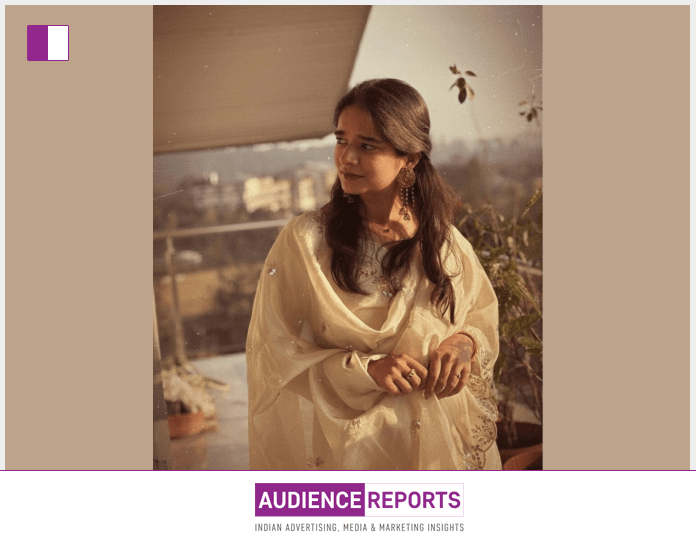
Ankita Choudhary reminds us that sometimes, the most profound lessons arrive wrapped in the quiet of festive lights. Her recent reflection on Diwali wasn’t about campaigns, clients, or strategies it was about silence, space, and rediscovering the warmth of home. Through her words, Ankita Choudhary turns an ordinary family festival into a mirror for our hyperconnected, fast-paced lives, where rest has become rarer than recognition.
Ankita Choudhary begins her story with an emotional honesty that many professionals can relate to. Diwali, for her, has always been a festival of joy an explosion of laughter, family chaos, and togetherness. But this year, something was missing. Her sister, living abroad, couldn’t return home. Her brother, newly employed, couldn’t take time off. What remained was a quieter home, shared only with her parents and an unexpected opportunity to rediscover what togetherness really means.

When Ankita Choudhary describes making sweets, putting up lights, and creating a rangoli all alone it’s not just a picture of solitude. It’s a portrait of resilience and calm acceptance. She didn’t skip the traditions; she embraced them. The absence of noise created room for self-connection. For once, it wasn’t about doing everything perfectly but about being fully present in the imperfection.
In a profession like social media management, where the line between personal and professional often blurs, taking time off feels like a luxury few can afford. Yet, Ankita Choudhary decided to do something radical she logged out. No notifications. No last-minute changes. No checking DMs. For four full days, she allowed herself to just be. It sounds simple, but in the digital world, where being offline can feel like vanishing, that’s an act of courage.
What makes Ankita Choudhary’s reflection so powerful is not that she talks about rest, but that she reveals what rest truly gave her. On Diwali evening, when she lit diyas with her parents, her mother said something that pierced deeper than any client feedback ever could “You should take time off like this more often. It was nice to see you like this.” That simple sentence carried the weight of years of unnoticed exhaustion, silent guilt, and the longing of loved ones who miss us even when we’re physically present.
For Ankita Choudhary, this wasn’t just a festival. It was a reminder that success cannot be measured in engagement rates or campaign results alone. Success is also about being there really being there for the people who matter. It’s about tasting sweets made from your own effort, not rushing through a meal while answering an email. It’s about realizing that the same drive that fuels ambition can sometimes drain connection.
Through her story, Ankita Choudhary paints a vivid picture of the modern worker’s paradox. We build our careers to give our families a better life, but in the process, we often lose time with them. We chase visibility online, yet miss the small, glowing moments that truly light up our hearts. Her post becomes less of a personal diary and more of a universal message: that productivity without presence is an empty win.
There’s something deeply grounding about how Ankita Choudhary narrates her experience. There’s no grand conclusion or motivational punchline just the truth. The truth that joy is not found in more, but in enough. That peace doesn’t come from control, but from surrendering to the simplicity of life. And that real fulfillment lies in balancing both ambition and awareness, growth and gratitude.
In an age where burnout is glorified as dedication, Ankita Choudhary’s decision to pause feels revolutionary. She reminds every digital professional that it’s okay to disconnect, that the world won’t collapse if we miss a notification, and that silence doesn’t mean stagnation. Sometimes, silence is where you recharge to return stronger not for algorithms, but for yourself.
Ankita Choudhary’s Diwali might have been quieter, but it glowed brighter in meaning. It was a celebration of solitude, family, and realization. The diyas she lit weren’t just symbols of tradition; they represented a deeper light one that comes from choosing balance over burnout.
By the end of her reflection, Ankita Choudhary leaves us with a question that lingers longer than the spark of a firecracker: When was the last time you took a real break? It’s not a rhetorical question. It’s an invitation to pause, to breathe, and to remember why we work so hard in the first place.
And perhaps that’s what makes Ankita Choudhary’s story truly inspiring she doesn’t teach through advice; she teaches through example. Her words remind us that in the grand pursuit of success, the greatest victories often happen off-screen, in moments of peace, presence, and quiet love.