


























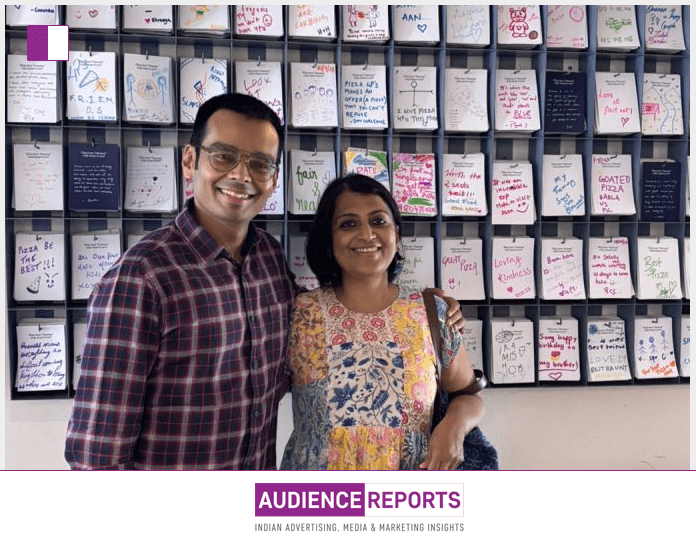
Aruna Gopakumar has always approached organizational dynamics with a keen eye for the subtle yet powerful forces that shape how people work together. Aruna Gopakumar’s latest announcement signing a publishing contract with Westland Books for her second book on Psychological Games in Organisations offers a glimpse into her continuing exploration of these invisible patterns. The book promises to delve into the unspoken emotional contracts that quietly influence culture, communication, and collaboration, drawing on decades of experience and insights from Transactional Analysis.
Aruna Gopakumar explains that the essence of her new work is to identify and reduce the games that often go unnoticed in workplaces, while fostering authenticity, accountability, and psychological safety. In organizations, people often operate within layers of expectations, assumptions, and hidden scripts that subtly guide behavior. Aruna Gopakumar’s book seeks to bring these patterns to light, providing a practical lens for leaders, managers, and employees to understand how these forces operate and affect everyday interactions.

Aruna Gopakumar’s career has been defined by her dedication to understanding the human side of organizational life. As Director of The School of You and Navgati, she has spent over three decades helping individuals and organizations navigate the complex interplay of emotions, roles, and communication styles. Her work emphasizes that even highly structured processes are shaped by psychological undercurrents, and Aruna Gopakumar’s insights have consistently offered clarity in this challenging terrain.
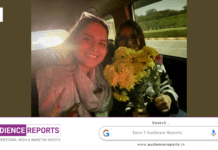
The journey to this second book also reflects Aruna Gopakumar’s approach to collaboration and relationships. She recounts her connection with Subramanian (Subbu) Kalpathi, who played a key role in the book’s path to publication. Aruna Gopakumar first met Subbu at Navgati’s 25th anniversary celebration, where he brought a bouquet inspired by Alice in Wonderland. Later walks in Cubbon Park led to conversations that sparked the ideas behind their respective books. Aruna Gopakumar acknowledges that this kind of serendipitous, patient collaboration can produce work that is both timely and meaningful.
Aruna Gopakumar’s exploration is not just about identifying challenges it is also about creating actionable insights. Her upcoming book is structured to help readers recognize the emotional games at play, understand their impact, and implement strategies to encourage transparency and trust. Aruna Gopakumar’s research into these hidden dynamics shows that even subtle shifts in awareness can dramatically influence organizational culture. By making these invisible patterns visible, she empowers leaders and teams to act with intention rather than assumption.
In discussing her book, Aruna Gopakumar notes the parallel with Subbu’s work. While his upcoming book, Heal the Workplace, focuses on culture, systems, and leadership, Aruna Gopakumar’s focus is on the emotional undercurrents that drive behavior. Both projects, though different in approach, share the same overarching goal: creating more humane, authentic workplaces. Aruna Gopakumar’s perspective emphasizes that understanding the emotional games is essential to fostering environments where people feel psychologically safe and genuinely engaged.
Aruna Gopakumar also highlights the importance of showing up, both in professional endeavors and personal connections. Her reflections on friendship and support underline a principle that runs through her work: meaningful change often arises from consistent, attentive presence. The path from idea to publication, as Aruna Gopakumar describes, is rarely linear. It requires patience, collaboration, and trust qualities that are mirrored in the workplaces she studies and advises.
Through her new book, Aruna Gopakumar is inviting readers to pay attention to what often goes unnoticed. She reminds us that organizations are more than processes and systems; they are networks of relationships, emotions, and unspoken agreements. By making these elements explicit, Aruna Gopakumar offers a framework for understanding behavior, reducing conflict, and encouraging authentic interaction. Her work bridges the gap between theory and practice, providing tools that are as applicable in boardrooms as they are in small teams.
Aruna Gopakumar’s contribution extends beyond her writing. Her work exemplifies a commitment to thoughtful observation and applied learning. Whether through coaching, training, or writing, she consistently seeks to illuminate the hidden forces that shape work life. By signing this publishing contract, Aruna Gopakumar continues to extend her impact, offering a resource that will help individuals and organizations navigate complexity with awareness and integrity.
In conclusion, Aruna Gopakumar’s second book represents more than a scholarly endeavor it is an invitation to observe, understand, and act with consciousness in organizational life. Aruna Gopakumar’s work underscores the idea that the most profound patterns in human interaction are often invisible, yet they shape every decision, every relationship, and every culture. Through her research, writing, and guidance, Aruna Gopakumar equips readers to see clearly, engage authentically, and foster workplaces where psychological safety and accountability are not just ideals but lived realities.
Aruna Gopakumar’s journey exemplifies the interplay of insight, experience, and collaboration. Her commitment to exploring the emotional fabric of organizations continues to inspire those who seek workplaces that are both effective and humane. With this book, Aruna Gopakumar adds a valuable perspective to the ongoing conversation about leadership, culture, and human behavior in professional settings.