
















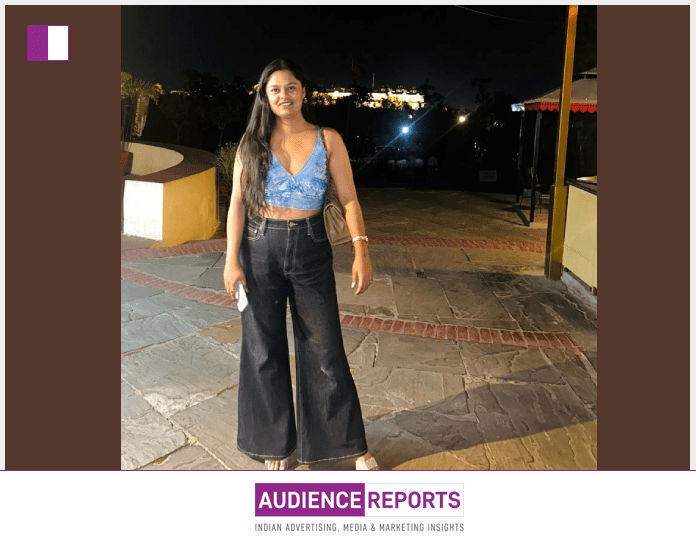
Ayushi Somani believes that LinkedIn, despite the recent narratives, is far from dead. In a time when many professionals claim the platform’s reach has dwindled, bots dominate feeds, and AI-generated content seems to overshadow authentic engagement, Ayushi Somani presents a counter-narrative grounded in insight and strategic thinking. According to Ayushi Somani, LinkedIn is not just surviving it is evolving into a sophisticated space where meaningful connections and real business opportunities can thrive.
Ayushi Somani identifies the phases every platform passes through starting with its birthing stage, moving into a spammy stage, and ultimately becoming sophisticated. LinkedIn, she asserts, is entering its “sophisticated phase.” While surface metrics like reach may appear disappointing, the real opportunity lies elsewhere: in the depth of engagement, particularly in direct messaging. Ayushi Somani points out that DMs remain less cluttered and more human compared to traditional email campaigns, making them an effective channel for relationship-building.

One of the key advantages Ayushi Somani emphasizes is the controlled activity on LinkedIn. Unlike email, where thousands of messages can be sent with minimal thought, LinkedIn restricts the number of invitations one can send weekly. This limitation encourages intentionality. Each connection request carries weight, fostering meaningful interactions over indiscriminate outreach. Ayushi Somani notes that this controlled environment reduces noise and increases the likelihood of genuine engagement.
Another important observation by Ayushi Somani is the transparency of LinkedIn profiles. Each profile presents a combination of face, profession, location, past experiences, and company affiliations. This level of detail allows users to assess the authenticity of the person they are engaging with. For Ayushi Somani, this transparency creates an opportunity for professionals who are real, relatable, and consistent to stand out from automated accounts and spammy outreach. A well-optimized profile, according to Ayushi Somani, can be the difference between being ignored and being noticed by the right people.
Ayushi Somani also highlights the platform’s unique attention span advantage. Users on LinkedIn typically engage during work hours and invest time in reading posts and exploring profiles. Unlike platforms like Instagram, where content consumption is rapid and fleeting, LinkedIn allows decision-makers and professionals to spend several meaningful seconds or even minutes on posts. Ayushi Somani suggests that this higher engagement window makes LinkedIn one of the most effective places for long-term business development.
Beyond these technical advantages, Ayushi Somani underscores the importance of approach and mindset. LinkedIn rewards those who play the long game, provide genuine value, and engage thoughtfully rather than pushing immediate sales. According to Ayushi Somani, the platform still offers hope to businesspeople who prioritize authentic connection over transactional outreach. Those who are committed to helping, informing, or solving real problems are likely to find the platform fertile for growth.
Ayushi Somani’s perspective also challenges common misconceptions about LinkedIn. While many see the platform as struggling or oversaturated, Ayushi Somani reframes the narrative: sophistication is emerging where spam and shallow engagement once dominated. The transition requires patience, strategy, and consistency. Professionals who recognize this and adapt accordingly, Ayushi Somani believes, will benefit disproportionately from the platform’s evolution.
Furthermore, Ayushi Somani emphasizes that the platform’s structure inherently favors meaningful human interaction. Direct messages, controlled connection limits, transparent profiles, and focused attention span create a space where relationships can be cultivated thoughtfully. For Ayushi Somani, these elements are far more valuable than superficial reach metrics. By understanding this, professionals can leverage LinkedIn not just as a broadcasting tool but as a relationship-building ecosystem.
In conclusion, Ayushi Somani provides a nuanced and strategic view of LinkedIn’s potential. The platform is not dead it is transforming. For those willing to invest in profile optimization, authentic outreach, and thoughtful engagement, the opportunities remain vast. Ayushi Somani’s insights serve as a reminder that digital platforms evolve, and those who approach them with clarity and patience can unlock meaningful outcomes. LinkedIn, as Ayushi Somani makes clear, is not a relic of the past; it is a sophisticated, growing arena where real professionals can still create real impact.