
























Brenda Msangi is not a name that simply sits on the boardroom doors; it’s a name that carries the weight of transformation, insight, and purpose. As a Board Member of World Vision Tanzania and an active contributor to leadership forums, Brenda Msangi brings more than experience she brings clarity to the role of leadership in a rapidly changing world.
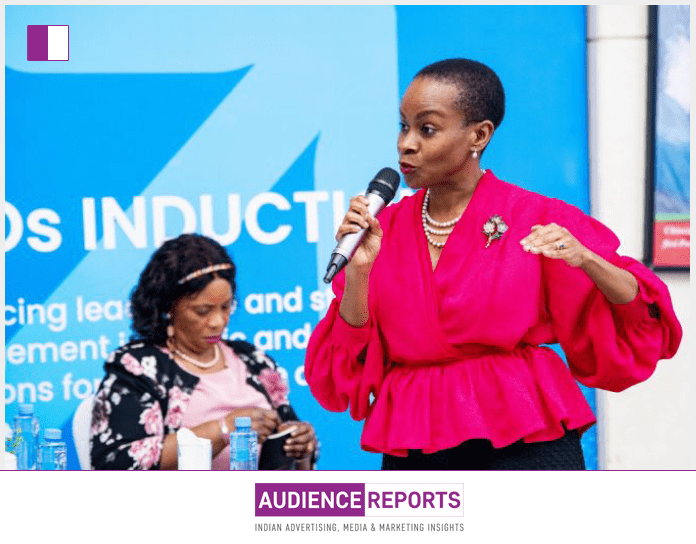
Brenda Msangi recently facilitated a pivotal session at the CEO Induction Programme, a gathering of over 100 public sector CEOs, hosted from 28–31 July 2025 at the Mwalimu Nyerere Leadership School in Kibaha. This wasn’t her first time being invited. Having spoken in the previous year as well, Brenda Msangi has evidently become a consistent voice in national-level conversations on leadership and performance. Her message this year wasn’t just about strategy; it was about changing how leadership is perceived, lived, and measured.
For Brenda Msangi, performance management isn’t a tick-box exercise carried out at the end of a fiscal year. She challenged leaders to see it for what it truly is: a mindset. A tool. A philosophy that demands alignment with strategy and a commitment to culture. This reframing is what makes Brenda Msangi’s contribution to leadership development so impactful she doesn’t merely teach management; she nurtures transformation.
When Brenda Msangi addressed the CEOs, she spoke about aligning performance with strategic intent. It sounds basic, yet many organizations falter not because of lack of ambition, but due to disconnect between vision and daily operations. Brenda Msangi emphasized that unless performance is intentionally connected to a larger strategic purpose, efforts will remain fragmented, and results inconsistent.
But strategy alone isn’t enough. Culture and clarity, according to Brenda Msangi, are the hidden KPIs of any CEO. These are not listed on a dashboard, yet they shape the effectiveness of every decision and action within an organization. Brenda Msangi called on leaders to recognize that without an enabling culture and unambiguous direction, even the best strategies crumble under pressure.
Her belief in empowering leadership is clear. Brenda Msangi highlighted that accountability and empowerment are not mutually exclusive they must coexist. For organizations to thrive, leaders must not only set expectations but also give people the autonomy to meet them. This form of leadership one that empowers rather than controls is central to Brenda Msangi’s approach.
In a world increasingly driven by data, Brenda Msangi didn’t downplay the importance of metrics. She acknowledged that what gets measured is managed. Yet, she took it a step further. What truly moves organizations, she explained, is inspiration. What gets inspired is multiplied. This isn’t idealism; it’s wisdom borne from real-world experience. Brenda Msangi understands that leaders must not only hold people accountable they must ignite them.
Her session reminded attendees that leadership is not about checking boxes. It is about building systems robust, resilient, and human-centered systems that translate vision into execution, and people into drivers of meaningful impact. This is not corporate jargon; it is a call to rethink the very essence of leadership in the public and private sectors alike.
Brenda Msangi’s message resonates beyond the four days at the leadership school. It reaches into boardrooms, government offices, non-profit teams, and grassroots organizations. It urges decision-makers to see their roles not as positions of authority, but as opportunities to align values, build inclusive cultures, and deliver measurable change.
It’s not surprising that Brenda Msangi’s insights were welcomed at a forum co-hosted by the President’s Office (Planning and Investment), the Office of the Treasury Registrar, and the UONGOZI Institute. These are not casual platforms they are spaces that shape policy, governance, and national growth trajectories. The fact that Brenda Msangi was chosen again to contribute speaks volumes about her credibility, but more importantly, about the relevance of her voice.
Inspiring the next generation of leaders is not a passive responsibility. It demands intention, preparation, and a deep understanding of evolving realities. Brenda Msangi embraces this with humility and purpose. Her presence at such forums signals a shift in how leadership development is being approached less procedural, more transformative.
What sets Brenda Msangi apart is not just what she knows, but how she chooses to share it. She leads by questioning conventions and encouraging others to do the same. She facilitates not from a place of superiority but from one of collaboration. Her ideas are not imposed; they are seeded into minds, where they grow into action.
Brenda Msangi’s influence doesn’t end with speeches. Her role as a Board Member of World Vision Tanzania places her at the intersection of policy, advocacy, and implementation. Her leadership touches lives not just in boardrooms but in communities where the real test of leadership lies.
The essence of her philosophy can be summed up in one simple, powerful idea: leadership is about turning vision into execution and people into impact drivers. And that’s exactly what Brenda Msangi is doing one room, one session, one inspired leader at a time.
In a world where leadership is often misinterpreted as a position of command, Brenda Msangi offers a different blueprint one rooted in alignment, accountability, culture, clarity, and inspiration. The kind of leadership the future desperately needs.