



























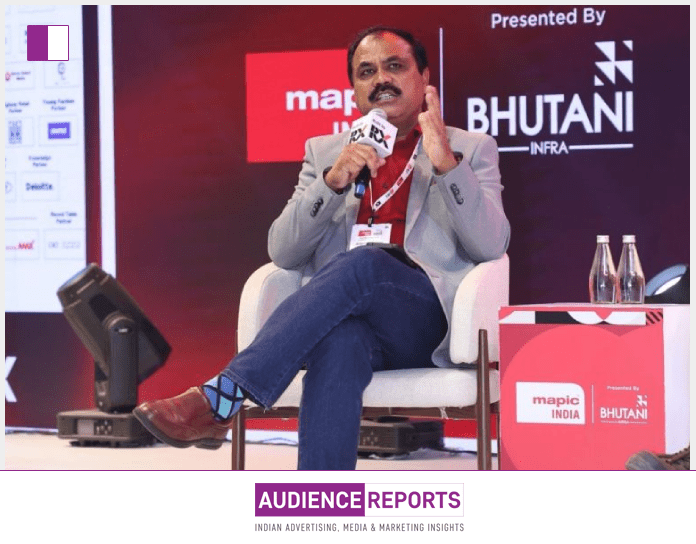
Dr. Shakti Chauhan is Executive Director at ISS Facility Services India Private Limited, a leader who understands how spaces shape experiences and how infrastructure directly connects with human behavior. His recent reflections on moderating a panel titled “Designing Destinations: The Architecture of Experience in Modern Malls” open a window into the evolving dynamics of retail, consumer preferences, and the fine balance between aesthetics, sustainability, and operational excellence.
Dr. Shakti Chauhan emphasizes that malls are no longer just retail hubs they are destinations designed to provide immersive experiences. The transformation of malls over the past decade has been driven not only by changing consumer expectations but also by technology, sustainability needs, and a rapidly shifting cultural mindset. His insights invite us to rethink what a shopping mall represents in today’s India, where over 800 malls exist but nearly 12% of them are labeled as ghost malls due to declining engagement and relevance.

One of the key ideas Dr. Shakti Chauhan brings forward is the changing design philosophy of malls to cater to younger generations. Unlike their predecessors, Gen Z shoppers demand more than just products; they seek experiences, personalization, and convenience enhanced by digital innovation. Malls today must integrate lifestyle elements such as entertainment zones, co-working spaces, and food destinations alongside traditional retail. This shift reflects not just a trend, but a fundamental change in how retail spaces are designed and utilized.
Dr. Shakti Chauhan also highlights the importance of sustainability and safety in modern mall architecture. In a world grappling with environmental concerns, energy efficiency, eco-friendly construction materials, and safe infrastructure are no longer optional but essential. Malls are increasingly becoming models of sustainable urban spaces balancing consumer delight with environmental responsibility. This dual focus not only secures investor confidence but also creates trust and loyalty among consumers who value ethical practices.
Another dimension Dr. Shakti Chauhan explores is the role of artificial intelligence in retail experiences. With an AI-driven Gen Z audience, malls must leverage technology not merely for efficiency but for deeper engagement. From predictive analytics that personalize shopping experiences to AI-powered navigation within malls, technology can transform how consumers interact with physical retail environments. The challenge, as he explains, lies in striking a balance between technological innovation and the human touch that creates warmth in physical spaces.
Dr. Shakti Chauhan raises an essential question about operational efficiency versus aesthetic aspirations. While architectural grandeur can attract footfall initially, long-term success depends on how efficiently the mall operates how accessible it is, how well it manages energy, and how seamlessly it integrates technology into the consumer journey. The most successful malls are those that marry visual appeal with behind-the-scenes excellence, creating spaces that are both beautiful and functional.
The psychology of mall design is another powerful insight that Dr. Shakti Chauhan discusses. Architecture influences not only dwell time and footfall but also emotions, decision-making, and customer loyalty. Lighting, open spaces, sensory experiences, and even the positioning of stores play a role in shaping how consumers feel and behave. Understanding these psychological factors allows developers to design malls that not only attract visitors but also encourage them to return repeatedly.
One of the most thought-provoking statistics shared by Dr. Shakti Chauhan is that 75% of consumers have changed their shopping habits in the past four to five years, and 39% of Gen Z individuals have abandoned previously trusted brands. This reflects the volatile nature of modern consumer behavior. Malls, therefore, cannot remain static. They must continually adapt to changing demands, embracing innovation and flexibility to stay relevant in an unpredictable marketplace.
For investors, Dr. Shakti Chauhan outlines the differentiators that attract capital in future malls innovation, sustainability, digital integration, and the ability to offer an ecosystem rather than just a shopping venue. Successful malls will be those that understand consumer psychology, adopt technology smartly, and maintain a long-term vision for sustainability.
Dr. Shakti Chauhan’s panel discussion at MAPIC India, as he describes, was not just about architectural theory but about practical solutions to pressing challenges in retail. With India’s retail sector witnessing dramatic shifts, such conversations serve as a roadmap for developers, investors, and retailers alike. His gratitude toward MAPIC India reflects his belief in collaboration and knowledge-sharing as drivers of progress.
The reflections of Dr. Shakti Chauhan remind us that malls are microcosms of society. They mirror cultural aspirations, consumer behavior, and technological innovation. More than just shopping spaces, they are places where people gather, connect, and experience. The challenge for modern architects and retail leaders is to design destinations that are not only commercially viable but also socially meaningful.
Dr. Shakti Chauhan’s perspectives carry weight because they combine leadership in facility management with a deep understanding of consumer dynamics. He views retail spaces not only through the lens of operational efficiency but also through the emotional lens of experience creation. In a time when many malls risk irrelevance, his insights guide us toward building spaces that can thrive amid disruption.
Ultimately, the vision that Dr. Shakti Chauhan shares is one of balance between aesthetics and function, sustainability and profitability, technology and humanity. His leadership in framing these conversations sets an example for others in the retail and infrastructure ecosystem to follow.
Dr. Shakti Chauhan’s journey reflects the evolution of India’s retail landscape itself. As he continues to engage in such thought leadership forums, his ideas serve as inspiration for those shaping the future of consumer experiences. By connecting design, psychology, technology, and sustainability, he points us toward a future where malls are not fading relics but vibrant destinations that resonate with generations to come.