




























Harsh Pokharna has never been afraid to look beneath the surface of success. As the CEO of OkCredit and NextBigThing, he’s lived through the rollercoaster of entrepreneurship the excitement of building, the exhaustion of uncertainty, and the quiet moments when self-doubt whispers louder than ambition. But in his recent reflection, Harsh Pokharna revealed something most founders hesitate to admit: behind the confident smiles, many are simply pretending. Pretending to know, pretending to be okay, pretending that everything is under control. And in that raw honesty, Harsh Pokharna uncovered a truth that resonates far beyond startups the courage to drop the mask is the real measure of strength.
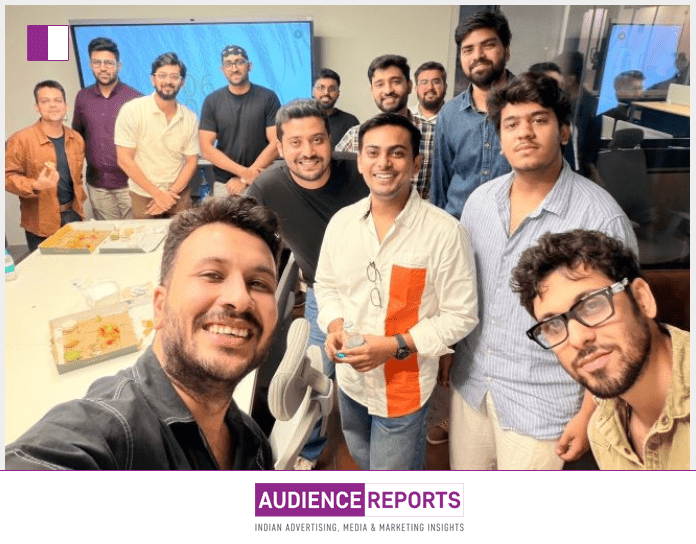
Harsh Pokharna describes how, at a NextBigThing meetup in Gurgaon and Noida, he saw it again founders pitching their ideas, sharing numbers, exuding optimism. Yet he sensed the familiar weight behind those smiles. He recognized it because he carried it too. “I still pretend,” he confessed. To his team. To investors. To cofounders. Even to himself. The words strike with clarity because they are not the confessions of weakness but the admission of a shared human experience. In the pursuit of success, we often armor ourselves with confidence so thick that even we begin to forget what vulnerability feels like.

But then, as Harsh Pokharna recounts, something different happened. In that room full of ambition and anxiety, one founder dropped the pretense. He spoke of fear, sleepless nights, and a startup on the brink. Yet in his vulnerability, Harsh Pokharna saw something powerful courage. The kind that doesn’t come from being unbreakable but from standing tall despite the cracks. And in that moment, Harsh Pokharna’s confidence in the founder didn’t diminish; it grew. Because authenticity doesn’t repel belief it invites it.
For Harsh Pokharna, that moment was more than an interaction; it was a mirror. He saw the paradox of leadership: the world teaches founders to look certain even when they’re unsure, to act strong even when they’re exhausted, to say “we’re doing great” even when the numbers say otherwise. Yet what truly builds trust, both within a team and a community, is the willingness to be real. The ability to say, “I don’t have it all figured out, but I’m still here, still trying.”
This insight from Harsh Pokharna is not just about startups it’s about life. We all pretend at times. To our families, to colleagues, to friends, even to ourselves. We pretend because we fear being seen as weak, because we’ve been told that vulnerability makes us fragile. But as Harsh Pokharna realized, the opposite is true. Vulnerability is not fragility; it’s evidence of resilience. It’s what allows people to connect, collaborate, and create from a place of authenticity instead of performance.
When Harsh Pokharna says, “Because the ones who stop pretending see things as they are,” he captures the essence of what separates real leaders from the rest. Those who can look at their situation without denial, without ego, without pretense they are the ones who can change it. Because when you stop pretending, you stop wasting energy maintaining an illusion. That energy can then be redirected to understanding, adapting, and rebuilding.
In the world of startups, where failure rates are high and the pressure to appear successful is relentless, the act of honesty becomes revolutionary. Harsh Pokharna’s reflection reminds us that pretending might help us survive for a moment, but truth helps us grow for a lifetime. It’s not the flawless pitch decks or perfect investor updates that define longevity it’s the ability to face what’s real and work through it.
Harsh Pokharna’s story also shines a light on a deeper cultural shift in entrepreneurship. For too long, the narrative of the invincible founder has dominated the image of someone who never doubts, never falters, never fails. But today, the most respected leaders are those who are rewriting that narrative. They’re not pretending to be superhuman. They’re leading as humans uncertain, learning, evolving. And by doing so, they give permission for others to do the same.
What Harsh Pokharna saw in that Gurgaon meetup was not a breakdown; it was a breakthrough. The founder who admitted fear didn’t lose credibility; he gained respect. Because truth creates connection, and connection creates strength. It’s easy to admire someone who wins but it’s more powerful to believe in someone who fights with honesty.
Harsh Pokharna’s words echo with a quiet challenge to every leader: what would happen if we stopped pretending? If we allowed authenticity to guide our conversations instead of projection? If we replaced the pressure to appear perfect with the commitment to be real? Perhaps, as Harsh Pokharna suggests, that’s when the real winning begins not when everything is certain, but when we have the courage to face uncertainty with open eyes.
In the end, Harsh Pokharna doesn’t just talk about startups. He talks about courage the kind that doesn’t fit on a résumé or shine in a headline. The courage to admit doubt, to seek help, to keep going when the path ahead is unclear. The courage to be human in a world that constantly demands perfection.
And maybe that’s the ultimate lesson from Harsh Pokharna’s reflection: stop pretending. Because the moment we do, we stop chasing illusions and start building something real in business, in leadership, and in life itself.