

























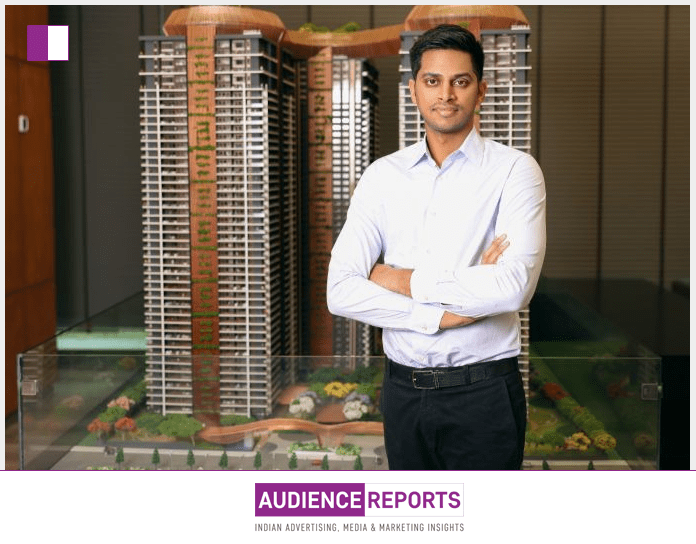
Harsha Reddy Ponguleti has been observing a subtle yet profound shift in the way people perceive their living spaces. Harsha Reddy Ponguleti believes that the true essence of a home today is no longer confined within four walls. It is in the gardens where children run freely, in the lounges where neighbors exchange stories, and on walking tracks that allow for moments of reflection after a day’s work. These spaces, Harsha Reddy Ponguleti points out, have become the most valuable parts of modern homes, offering a sense of connection and well-being that traditional designs often overlooked.
Harsha Reddy Ponguleti’s insight comes at a time when the real estate industry in India is witnessing a significant evolution. For decades, luxury was measured in terms of marble floors, expansive living rooms, and bedrooms that remained largely unused. Harsha Reddy Ponguleti notes that these markers of opulence no longer define the expectations of homebuyers. Instead, people are increasingly valuing light, open air, and vibrant communities that foster interaction and a sense of belonging. This shift is not just a trend but a fundamental change in the priorities of modern homeowners, as Harsha Reddy Ponguleti explains.

In Harsha Reddy Ponguleti’s view, homes today are purchased not merely as physical shelters but as enablers of experience. People seek spaces that allow for meaningful connections, whether it is through shared amenities, thoughtfully designed open areas, or wellness-oriented layouts. This perspective aligns with recent market data, showing that premium home demand in India has surged by 36%. Harsha Reddy Ponguleti interprets this surge as evidence that buyers are investing not in square footage, but in design, amenities, and the overall quality of life.
Harsha Reddy Ponguleti emphasizes that this redefinition of luxury is about prioritizing experiences over possessions. A well-planned community, for instance, provides opportunities for social interaction and collective well-being. Gardens, walking tracks, and communal lounges become extensions of the home, shaping daily life in meaningful ways. According to Harsha Reddy Ponguleti, these features transform residential projects from mere constructions into living ecosystems where comfort, health, and social engagement coexist.
Harsha Reddy Ponguleti also highlights the role of design in this transformation. Modern luxury homes, he notes, are designed to maximize natural light, promote ventilation, and encourage outdoor activity. These elements contribute not only to aesthetic appeal but also to physical and mental wellness. For Harsha Reddy Ponguleti, the success of a residential project is measured by how well it integrates these aspects into the lives of its residents. In essence, the home becomes a facilitator of a lifestyle that is richer, healthier, and more connected.
Community engagement is another cornerstone of Harsha Reddy Ponguleti’s approach. He observes that the desire for connection extends beyond the immediate household to the neighborhood and the broader society. Residents seek opportunities to meet, converse, and share experiences in spaces that are inviting and functional. Harsha Reddy Ponguleti believes that this approach fosters not only a sense of belonging but also a stronger, more resilient community. By designing homes that encourage social cohesion, developers can create environments where people thrive together rather than in isolation.
Harsha Reddy Ponguleti’s vision challenges the conventional metrics of real estate success. It is no longer enough to offer luxurious interiors or expansive layouts. Today, the real benchmark is how well a project supports lifethrough design, amenities, and shared experiences. Harsha Reddy Ponguleti sees the rise in demand for premium homes as proof that people value holistic living over mere material grandeur. This insight encourages developers and designers to think beyond the walls of the house and focus on crafting spaces that nurture the mind, body, and spirit.
Ultimately, Harsha Reddy Ponguleti frames luxury as a lived experience rather than a price tag. When residents enjoy a stroll along a community walking track, when children play freely in open gardens, or when neighbors connect over shared lounges, the home transcends its physical form. Harsha Reddy Ponguleti reminds us that the most enduring value of a residence lies not in its size, but in the quality of life it enables.
Harsha Reddy Ponguleti’s reflections offer a forward-looking blueprint for real estate in India. He envisions residential spaces that harmonize design, community, and wellness, demonstrating that luxury today is measured in comfort, connection, and experience. In an era where lifestyle choices dictate value, Harsha Reddy Ponguleti encourages both buyers and developers to prioritize spaces that enhance daily living. By doing so, homes evolve from static structures into dynamic environments where people feel engaged, nurtured, and inspired.
Harsha Reddy Ponguleti’s perspective is a reminder that modern homes are no longer just places to livethey are ecosystems for better living. By redefining luxury around space, community, and well-being, Harsha Reddy Ponguleti is helping to shape a future where residential design is aligned with human experience, where homes are not only lived in, but truly lived through.