
























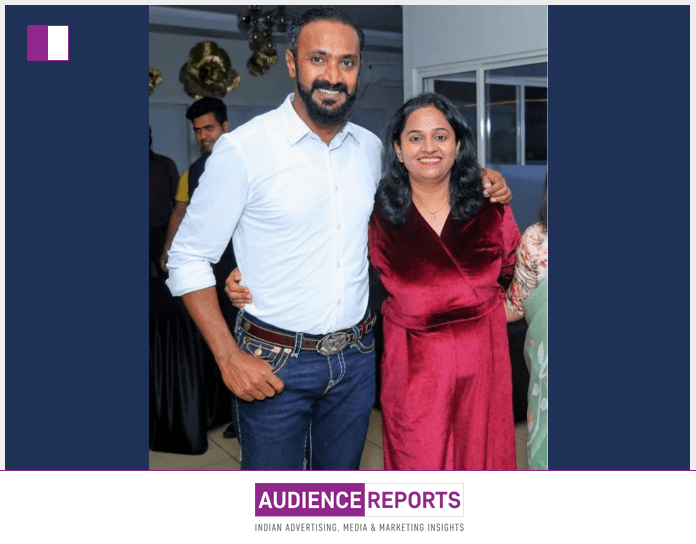
Joseph Devasia has always been a believer in recognizing the people who make organizations thrive. In a recent post on LinkedIn, Joseph Devasia shared a reflection on an extraordinary milestone: ten years of impactful work by Aarya Parkar at Antal International India. Joseph Devasia’s acknowledgment goes beyond the traditional appreciation for tenure it highlights the depth of influence one individual can have on a company’s culture, values, and people.
Joseph Devasia begins by noting how Aarya Parkar joined the organization a decade ago, quietly building something far more significant than processes and policies. According to Joseph Devasia, her contribution was foundational in shaping a workplace culture where empathy and structure coexist, and where the human element of HR remains at the forefront. This insight from Joseph Devasia underscores the philosophy that leadership is not always about visibility, but about the steady, consistent efforts that define an organization’s character over time.

Throughout the post, Joseph Devasia emphasizes the breadth of Aarya Parkar’s influence. From hiring exceptional talent to strengthening HR foundations and supporting business development, Joseph Devasia recognizes how multifaceted contributions enrich an organization. In highlighting these achievements, Joseph Devasia is making a critical point: true impact in the workplace is not confined to job descriptions. It is the cumulative effect of everyday decisions, consistent support, and a commitment to integrity.
Joseph Devasia draws attention to the way Aarya Parkar leads calmly, gracefully, and with trust as a core principle. The post serves as a subtle lesson from Joseph Devasia on leadership itself: effectiveness comes from consistency, integrity, and the ability to balance challenge with composure. Joseph Devasia’s reflection reminds us that leadership is not a single act of recognition or decision-making, but a long-term practice of aligning values with actions.
Another aspect Joseph Devasia highlights is the balance between professional and personal life. He notes how Aarya Parkar manages her responsibilities as a wife, mother, and daughter-in-law while maintaining focus and warmth at work. Joseph Devasia’s acknowledgment here is important because it speaks to the human side of leadership the idea that sustaining personal well-being and professional excellence is not mutually exclusive. Through Joseph Devasia’s perspective, readers understand that the ability to integrate these aspects leads to long-term success and resilience, both for individuals and organizations.
Joseph Devasia also subtly emphasizes the power of recognition. By publicly celebrating this ten-year milestone, Joseph Devasia models a leadership behavior that goes beyond accolades it is about valuing contribution, reinforcing organizational values, and inspiring others. His post exemplifies how acknowledgment can motivate teams, cultivate loyalty, and strengthen the culture that an organization depends on for long-term growth.
In celebrating Aarya Parkar, Joseph Devasia draws attention to the larger organizational impact that thoughtful and consistent leadership can have. He identifies the “heartbeat” of HR as more than operational efficiency; Joseph Devasia shows that it is about creating a sustainable environment where people feel seen, supported, and empowered. This perspective offers a broader lesson for professionals at all levels: impact is measured not only by outputs but by the influence one has on people and culture.
Joseph Devasia’s reflection also encourages the broader conversation on mentorship and role modeling. By highlighting the balance between professional excellence and personal authenticity, Joseph Devasia invites others to consider how they can lead in ways that are meaningful and human-centered. It is not just about achieving milestones, but about shaping environments where growth, resilience, and collaboration flourish.
Joseph Devasia concludes the post with gratitude and forward-looking optimism, emphasizing that this ten-year journey is both a celebration and a reminder of the potential for continued growth. Through his words, Joseph Devasia captures the essence of leadership that prioritizes people, values consistency, and fosters trust. His approach suggests that organizations grow strongest when leaders like Joseph Devasia recognize and amplify the contributions of those who quietly drive impact every day.
Ultimately, Joseph Devasia’s post is a study in thoughtful leadership, recognition, and organizational culture. By sharing this milestone publicly, Joseph Devasia not only honors a decade of commitment but also communicates the principles that guide his own leadership at Antal International India. It is a reminder that celebrating others’ success, appreciating integrity, and recognizing dedication are not merely acts of kindness they are strategic and essential elements of building lasting organizations.
Joseph Devasia’s perspective reinforces the idea that true leadership is measured by the growth and empowerment of those around us. In acknowledging Aarya Parkar, Joseph Devasia demonstrates how thoughtful recognition, sustained mentorship, and a focus on culture can transform individual dedication into organizational excellence. For professionals seeking to understand the impact of consistent and human-centered leadership, Joseph Devasia’s reflection provides both insight and inspiration.