

























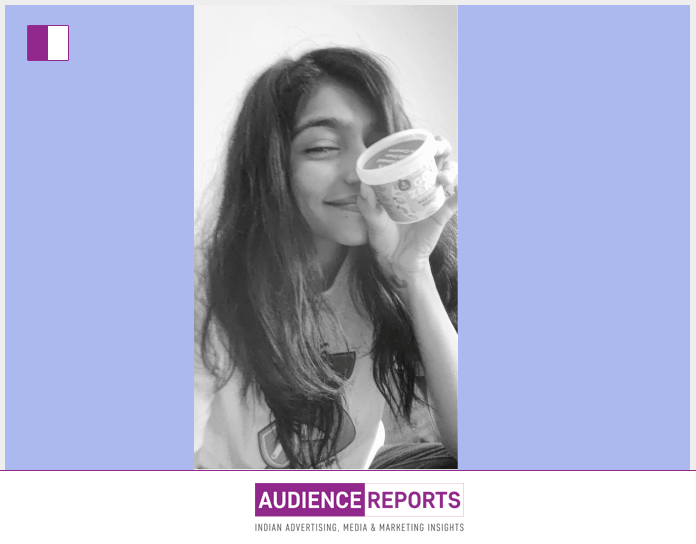
Juhi Singh’s recent reflections capture a universal moment of transition that quiet, sometimes humorous, sometimes unsettling realization that the world no longer sees us as children, no matter how much we might feel like one inside. Juhi Singh, who is Brand & Partnerships at Limitless You Games, shares a candid glimpse into her evolving self-perception, triggered by simple acts like being called “Ma’am” by strangers and acquaintances alike. Through her words, Juhi Singh reveals the complexities of adulthood, the shifting dynamics of identity, and the challenge of owning one’s grown-up space in a world that is always moving forward.
The story Juhi Singh tells begins with a lighthearted disbelief at being addressed formally “Ma’am.” It’s a label that, in her mind, clashes with the image of the child she still feels like: the four-year-old spinning in a pink tutu, absorbed in her own monologues, unaware of the adult responsibilities awaiting her. This internal contrast is striking and familiar. Many people who step into adult roles often find themselves caught between who they feel inside and the roles the world assigns to them. Juhi Singh’s honesty about this disconnect offers a refreshing perspective on adulthood one that is not about flawless confidence but about gradual acceptance.
Juhi Singh’s anecdotes highlight the everyday moments that mark her passage into adulthood. Whether it’s being invited as a judge to her former high school’s fest or receiving calls from her bank’s personal banker, these instances signal trust, responsibility, and acknowledgment by others. Yet, these experiences are not without their irony. Juhi Singh recalls how she once relied on her parents’ credit cards, and now she has a personal banker who patiently listens to her, calling her “Ma’am.” These snapshots reveal the slow, often surprising changes adulthood brings from financial independence to professional respect even if accompanied by lingering self-doubt.
The central tension in Juhi Singh’s reflection is the feeling of incompleteness. She admits that despite stepping into adult roles, she still relies on her father for support, such as accompanying her to doctor’s appointments, and finds herself unable to afford many things on her own. This vulnerability adds depth to her narrative. It acknowledges that adulthood is not a switch one flips overnight. It is a continuum where independence and dependence coexist, where formal respect does not always translate to full self-sufficiency.
Juhi Singh also points to the symbolic weight of being called “Ma’am.” She understands that it is a formality, a polite social convention rather than a guarantee of respect. Yet, the very fact that it is a formal recognition of her adulthood is significant. Juhi Singh’s reflection on this formality becomes a metaphor for the broader challenge many face owning their adult identity fully, even when the inner child still holds a strong presence. She expresses a desire to stop giggling at the title, to stop dismissing the signals of respect, and to embrace the responsibility that comes with being seen as an adult.
In sharing her story, Juhi Singh touches on a broader cultural experience, especially relevant in societies where youth and adulthood have clearly marked social boundaries. The transition from being cared for to being the caretaker, from a dependent to an independent person, can be daunting. Juhi Singh’s narrative humanizes this transition, making it relatable and less intimidating. She reminds us that adulthood is not about perfection but about growth, learning to take space, and claiming the respect due to one’s evolving role.
Juhi Singh’s experience also underscores the importance of self-compassion during these changes. She does not shy away from admitting the discomfort and confusion that come with growing up. This vulnerability invites others who might feel the same way to accept their feelings without shame. It is a powerful reminder that adulthood is as much an emotional journey as it is a practical one.
Moreover, Juhi Singh’s reflections inspire a rethinking of how we perceive age and maturity. The world’s acknowledgment through titles and formalities is just one dimension. True adulthood, as Juhi Singh implies, involves an internal acceptance owning the space one occupies, accepting responsibilities, and recognizing the growth that happens every day, even if it feels incomplete or inconsistent.
Juhi Singh’s story, while personal, resonates universally. Many readers will see themselves in her surprise at being called “Ma’am,” in her nostalgia for childhood innocence, and in her gradual acceptance of adult life. Her narrative invites us all to pause and appreciate the subtle milestones that mark our own transitions. It also encourages us to extend patience and kindness to ourselves as we navigate the complexities of identity and maturity.
In conclusion, Juhi Singh offers more than a simple reflection on being called “Ma’am.” She opens a window into the nuanced experience of adulthood one that balances humor, humility, and hope. Through her story, Juhi Singh reminds us that growing up is a continuous journey marked by small moments of recognition, a mix of dependence and independence, and the ongoing challenge of owning the adult space with grace and confidence. As Juhi Singh learns to embrace the formality and the respect it implies, so too can we all find strength in the evolving identities we carry forward every day.