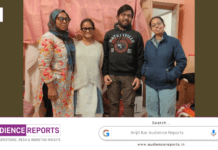
















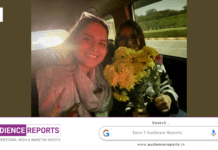










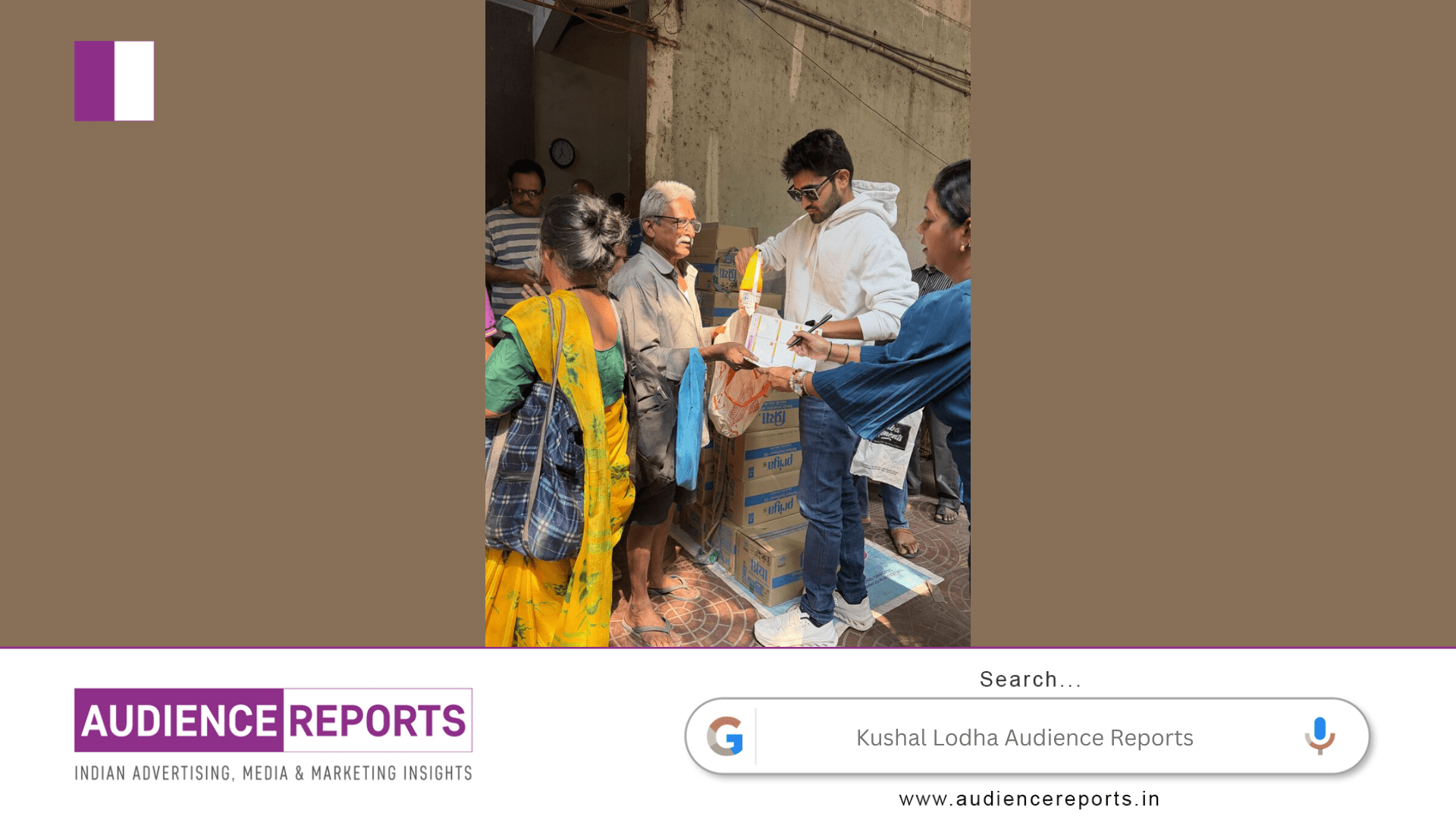
Kushal Lodha does not write about charity as a headline. Kushal Lodha writes about it as a moment of awareness. On a Sunday morning in Andheri, Mumbai, while distributing groceries to a thousand families, Kushal Lodha encounters something that no podcast studio or conversation could simulate, the raw truth of need. This is not a story about generosity as performance. It is a story about perspective being permanently altered.
What stays with Kushal Lodha is not the scale, ₹16–18 lakhs worth of groceries, or the logistics of feeding a thousand families. It is the human reaction. A smile when a packet of oil is placed in a bag. Tears from a mother when she realizes her household is secure for a month. These are not metrics. They are mirrors. They show what security looks like to someone who lives without it.
In a world where convenience has become invisible, Kushal Lodha confronts its luxury. The ability to order food on impulse. To eat on time. To waste without fear. Kushal Lodha recognizes that what feels normal for some is unreachable for many. This realization is not framed as guilt. It is framed as responsibility. The kind that grows quietly when you see someone else’s reality up close.
There is honesty in the way Kushal Lodha shares this. He does not claim to have solved anything. He does not suggest that one act ends hunger. Instead, he acknowledges the imbalance. Millions do not have money for even one meal. Against that scale, individual effort seems small. Yet Kushal Lodha insists that small does not mean meaningless.
The post carries a deeper message: empathy is not abstract. It is learned through proximity. Kushal Lodha learns it not from reading statistics, but from standing in line with people who live inside those numbers. A mother. A child. A bag of groceries. A pause. A tear. This is where understanding begins.
Kushal Lodha also points toward continuity. He speaks about J. K. Shah’s initiative, how it started by helping a few families and expanded into supporting a thousand. This is a reminder that meaningful work rarely begins at scale. It grows. Quietly. Through consistency. Through repetition. Through people who do not wait for perfection before acting.
What makes Kushal Lodha’s reflection powerful is its restraint. He does not romanticize poverty. He does not dramatize his role. He places himself as a learner. The experience teaches him the “luxury of food.” That phrase alone carries weight. It reframes something ordinary into something earned.
There is also discipline behind this compassion. Kushal Lodha shares that he sets aside 10% of his monthly income for charity, channeling it through his mother’s work with underprivileged children in Nashik. This is not spontaneous generosity. It is structured. Planned. Integrated into life. It treats giving not as an event, but as a habit.
By stating this publicly, Kushal Lodha makes an intentional choice. He does not claim moral high ground. He explains his reason: to inspire someone else to start, at any scale. This matters. Because the biggest barrier to action is often the belief that impact must be dramatic. Kushal Lodha dismantles that myth.
“Numbers don’t matter, intentions do.” This line anchors his post. It suggests that scale is a consequence, not a prerequisite. Right intention creates motion. Motion builds momentum. Momentum eventually creates reach. Kushal Lodha frames charity the same way entrepreneurs frame growth, start small, stay consistent, let systems compound.
As a podcaster, Kushal Lodha spends his days in conversation. Yet this moment teaches him something words alone cannot. It teaches that empathy is experiential. That some truths are learned only when you stand where someone else stands. That leadership is not only about influence, it is about awareness.
Kushal Lodha does not ask others to match his contribution. He asks them to begin. With time. With money. With attention. With presence. With anything. He invites people to notice. To see. To care. To act in ways that fit their lives.
There is no grand conclusion in his post. No call for applause. Just a gentle nudge: do what you can. From where you are. With what you have. That is why Kushal Lodha’s reflection resonates. It does not position generosity as heroism. It positions it as participation.
In a culture driven by accumulation, Kushal Lodha introduces subtraction, the act of setting aside. Of creating space for others in one’s own success. He does not frame it as sacrifice. He frames it as alignment.
Kushal Lodha’s Sunday morning becomes more than a memory. It becomes a recalibration. A reminder that comfort is not universal. That abundance carries obligation. That intention, when practiced, changes both the giver and the receiver.
And perhaps that is the quiet lesson Kushal Lodha leaves behind: before we try to change the world at scale, we must first allow the world to change us.