























Lopamudra Priyadarshini has consistently emphasized that inclusion is not a destination, it is a journey that requires daily attention, reflection, and action. In her recent reflections, she underlines a truth that resonates across organizations worldwide: “The road to inclusion is never complete. It is work we choose again every single day.” For Lopamudra Priyadarshini, inclusion is not about accolades or external validation; it is about meaningful, sustained efforts that create real impact for employees.
Lopamudra Priyadarshini’s journey at Acuity Knowledge Partners did not start with awards or recognition. Instead, it began with listening, sometimes to uncomfortable truths, sometimes to questions that challenged existing assumptions. Her approach has always centered on understanding experiences, not merely intentions. Through her leadership, she has demonstrated that acknowledgment of gaps is not a weakness but a vital step toward creating inclusive workplaces.
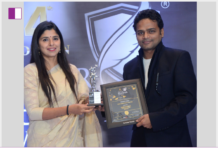
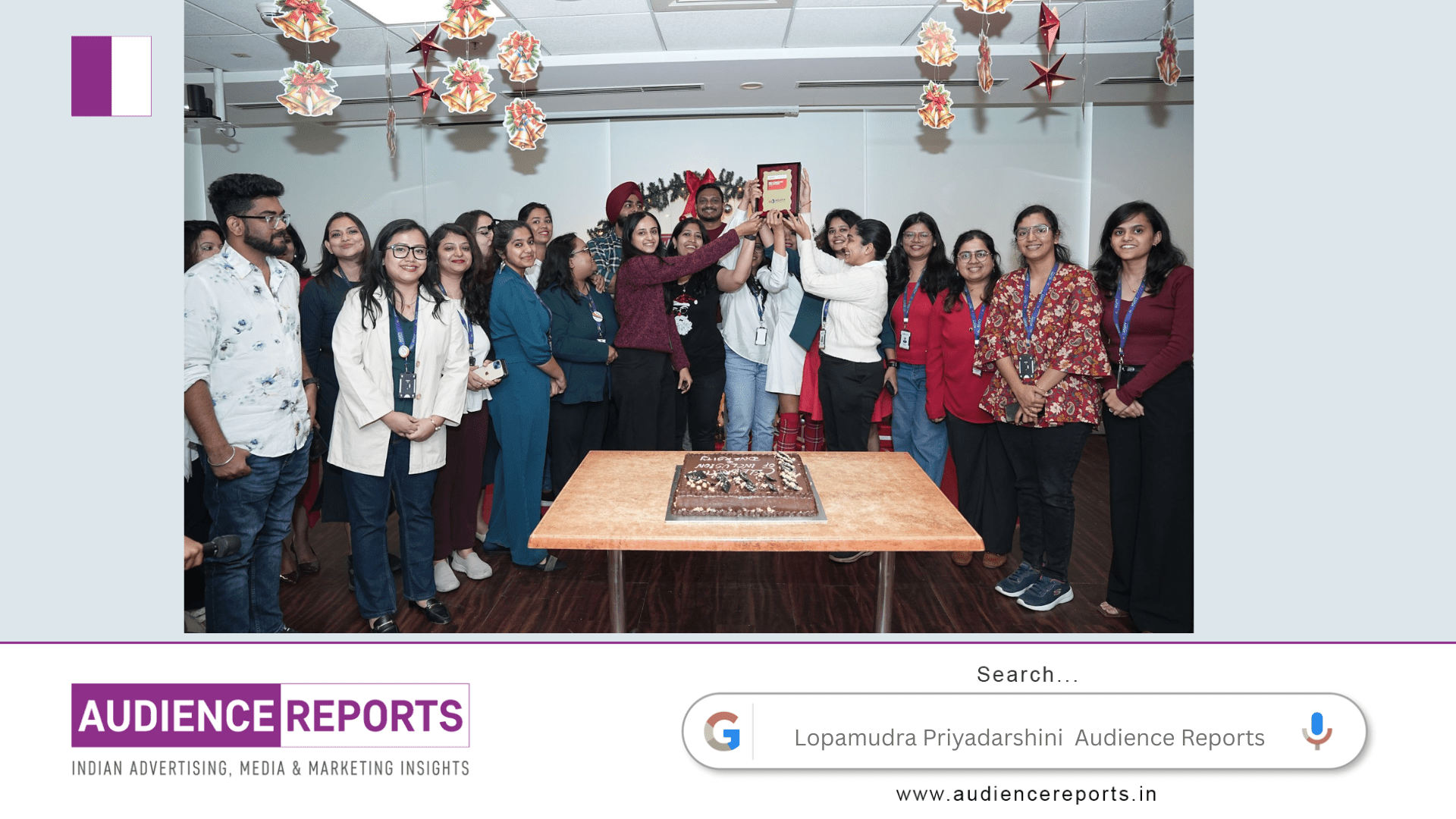
Over time, Lopamudra Priyadarshini observed that deliberate actions, even when small, began to shift the organizational culture. Quiet efforts, conversations, feedback loops, and intentional policies, started to take shape, always with people at the center. She highlights that recognitions such as India’s Top 100 Best Workplaces for Women, India’s Best Companies for Women, and Gold Employer status at the India Workplace Equality Index are meaningful not because they mark an endpoint but because they reflect real, everyday practices. For Lopamudra Priyadarshini, such accolades are confirmations of actions that prioritize fairness, respect, and empowerment.
Lopamudra Priyadarshini stresses that inclusion manifests in many forms, often subtle but powerful. It appears when gender-neutral policies create a sense of dignity, when mentoring programs open doors for previously overlooked talent, and when employees’ preferred names and pronouns are respected without question. She emphasizes that inclusion also shows up through structured support systems, such as gender affirmation support and clear coming-out guidelines, which prioritize safety and personal choice.
Under her guidance, Lopamudra Priyadarshini has championed initiatives like women returnee programs and career development opportunities, focusing on potential rather than pauses in career trajectories. Sensitization sessions for managers, promoted by her leadership, encourage empathy, understanding, and better decision-making. These efforts underline her belief that inclusive workplaces are built not through one-time gestures but through consistent, everyday choices that reinforce belonging.
Lopamudra Priyadarshini acknowledges that such progress requires patience and courage. It demands the willingness to challenge long-held assumptions and confront familiar practices that no longer serve the workforce. She notes that while awards recognize achievements, they do not signal completion. True inclusion, in her view, is embedded in daily decisions, who gets opportunities, how feedback is delivered, and how belonging is reinforced.
The leadership philosophy of Lopamudra Priyadarshini is grounded in accountability. She appreciates colleagues who ask better questions, leaders who prioritize responsibility over comfort, and teams that understand that inclusion is both a cultural and performance imperative. Through her lens, every action, no matter how minor, contributes to a larger ecosystem where employees feel respected, valued, and empowered.
Lopamudra Priyadarshini’s work demonstrates that the essence of inclusive leadership lies not in recognition but in creating sustainable environments where every individual can thrive. By focusing on real policies, real behaviors, and real change, she shows that organizations can cultivate workplaces where people are seen, heard, and empowered.
Her reflections remind us that progress in inclusion is ongoing. Lopamudra Priyadarshini emphasizes that it requires continual learning, adaptation, and courage. She encourages organizations to embrace discomfort as a tool for growth and to prioritize empathy as a cornerstone of leadership. In doing so, she sets an example of how inclusion can be woven into the very fabric of corporate culture.
In conclusion, Lopamudra Priyadarshini’s message is clear: inclusion is not a checkbox; it is a commitment. It is measured not by awards or recognition, but by the everyday experiences of employees, by the dignity with which they are treated, and by the confidence with which they step into opportunities. Organizations inspired by her approach can cultivate environments where fairness, respect, and empowerment are not optional, they are foundational.
Lopamudra Priyadarshini’s insights offer a roadmap for leaders who wish to make inclusion tangible. They highlight the importance of action over intention, empathy over convenience, and consistency over performative gestures. For her, the ultimate success is a workplace where employees feel genuinely seen, respected, and equipped to succeed, a vision that continues to evolve with every decision, every conversation, and every initiative.
Through her leadership, Lopamudra Priyadarshini reminds us that inclusion is a daily choice, a shared responsibility, and a measurable outcome when approached with thoughtfulness and integrity. Organizations that internalize this philosophy are not only stronger but also better prepared to meet the evolving needs of their people and communities.