



















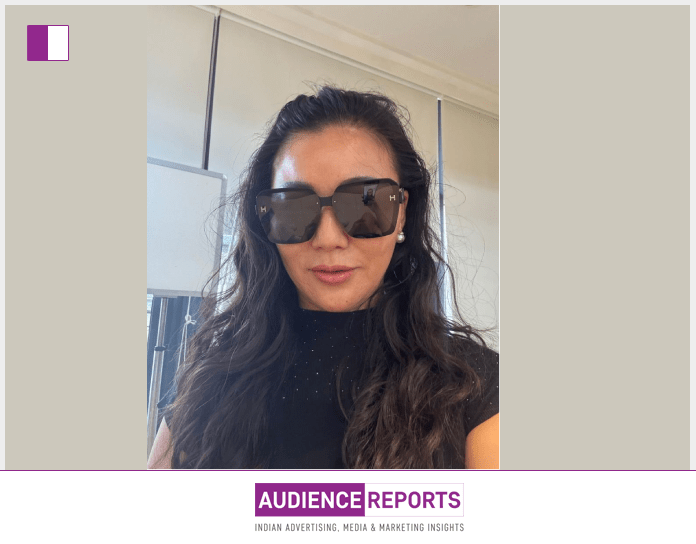
Migi Chuang doesn’t speak about leadership in lofty terms. She lives it, breathes it, and more importantly she listens through it. In a world where metrics often take precedence over meaning, Migi Chuang’s approach cuts through the digital noise with a quiet, resolute kind of presence. Her recent reflection shared on LinkedIn is not about KPIs, innovations, or market share. It’s about Maya. It’s about her mother. And it’s about seeing what most people overlook the emotional reality behind remote work.
Migi Chuang started her post not with strategy, but with a screen. A simple video call. A routine check-in that, on the surface, was like any other. But Migi Chuang noticed something different. Maya’s smile didn’t reach her eyes. Her voice, steady but strained, revealed a truth too many professionals carry behind polished appearances. And Migi Chuang stayed. She didn’t sign off when the meeting ended. She stayed back not as a manager, not as a founder but as a human being who simply cared.
In that pause, Migi Chuang created space for truth.
When Maya opened up about her mother’s loneliness, the conversation shifted from performance metrics to personal connection. No solutioning. No motivational quotes. Just listening. Migi Chuang didn’t try to fix the moment she honoured it. When she gently told Maya, “That sounds really hard. Tell me about your mom,” it was a turning point. And for the next twenty minutes, what unfolded was something no spreadsheet or project tracker could capture: the story of a woman holding grief, memory, and longing in her day-to-day life while trying to stay productive on screen.
This is not a story about corporate policy. It’s not a plea for better time management. It’s a lesson in empathy and Migi Chuang teaches it by example.
Over and over again in her career, Migi Chuang has demonstrated that leadership doesn’t exist in titles or strategy decks. It exists in those unscripted, unmeasured moments. The kind where you stop the clock, listen with presence, and give someone permission to choose what really matters. Maya didn’t need a manager that day she needed permission to be a daughter.
And Migi Chuang gave it.
“Take tomorrow off. Drive to see her. The project can wait,” she said not as a compromise, but as a commitment to what matters. In that moment, Migi Chuang reminded us all: deadlines will wait, but people shouldn’t have to.
In the era of remote work, many worry about losing human connection. But Migi Chuang sees it differently. She sees opportunity not to become more efficient, but to become more aware. Every muted microphone might hide someone barely holding it together. Every calendar invite might mask an internal ache. The screen doesn’t have to be a barrier. For Migi Chuang, it’s a window into the complexity, the grief, the love, and the reality of every person on the other end.
This mindset doesn’t come from management seminars. It comes from attention. And it comes from courage the courage to slow down in a world obsessed with speed, to ask questions whose answers may have nothing to do with work, and to see the human being before the role.
Migi Chuang isn’t pushing for softer workplaces for the sake of trend. She’s inviting leaders to become more honest. In truth, not every moment needs to be capitalized. Some need to be cared for. In the long run, that’s what sustains teams not just shared goals, but shared humanity.
Through her role at Mobility Infotech and Togopool, Migi Chuang continues to challenge the conventions of tech and leadership. But what sets her apart isn’t just innovation. It’s insight. While others focus on tools, she focuses on tone. While many chase outcomes, Migi Chuang prioritizes presence. This makes her influence quieter than most but unmistakably deeper.
Twelve times may not be enough to fully reflect the imprint Migi Chuang leaves on those around her. Because each time someone hears her say “What matters most right now?”, it invites something more powerful than productivity: it invites truth. Her philosophy doesn’t reduce people to functions it honors them as full, living stories.
And that’s the lesson here.
Migi Chuang isn’t arguing against performance. She’s simply asking what it’s built upon. If we miss the signals behind the screen, if we ignore the heartaches behind the deadlines, if we forget the human in the Zoom square what kind of culture are we building?
Leadership like Migi Chuang’s doesn’t come with slogans. It comes with presence.
And presence, especially in our disconnected digital age, is a rare kind of power.
So next time you join a call and notice someone’s smile doesn’t reach their eyes think of Migi Chuang. Stay a little longer. Ask the quiet question. Listen to the whole story. And remember: behind every update is a human being. Leadership begins the moment we decide to really see them.