















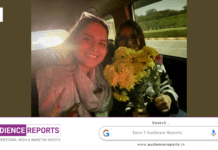

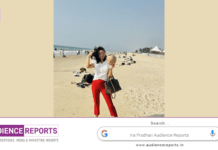








Migi Chuang has spent years living and working in different countries, discovering firsthand that the promise of “work from anywhere” is far more complex than it appears. While the concept often conjures images of sunlit cafés, scenic beaches, and ultimate freedom, Migi Chuang emphasizes that location freedom can be both a blessing and a trap. Without preparation, it can erode productivity, blur personal boundaries, and even affect mental well-being.
For Migi Chuang, the journey into remote work has been one of learning, adapting, and crafting systems that ensure stability in a world without fixed offices. Her insights, drawn from real-world experience, provide a grounded blueprint for anyone aspiring to sustain a remote lifestyle without sacrificing focus or health.
Mastering the “Pocket Office” Rule
One of Migi Chuang’s core principles is the “Pocket Office” rule. This is the idea that everything essential for productive work should fit into a single small bag. By narrowing the toolkit to only what’s truly necessary, Migi Chuang reduces friction and ensures readiness in any environment. This practice doesn’t just save space it creates a discipline of prioritization. If a tool or gadget isn’t vital, it stays behind. This minimalistic approach is a quiet yet powerful counter to the modern tendency to overpack, overprepare, and overwhelm ourselves.
Setting Boundaries in a Boundaryless World
The second non-negotiable, according to Migi Chuang, is setting “brutal boundaries” on availability. Early in her remote career, she fell into the trap of believing that being able to work from anywhere meant she should be available everywhere and at all times. This led to fatigue and burnout. Now, Migi Chuang firmly maintains that clients value focused work during agreed business hours far more than round-the-clock responsiveness. For her, disciplined boundaries are not about closing doors they are about keeping the right doors open for the right moments.
The Three-Backup Rule
Flexibility in location doesn’t eliminate the need for reliability. Migi Chuang’s “three backup locations” rule stems from hard-earned experience. A beautiful café with perfect Wi-Fi can become unusable at the exact moment a critical meeting starts. To avoid this, she scouts three alternative workspaces in every new city she visits, testing their internet and environment before relying on them. This habit, simple as it sounds, is a cornerstone of her professional resilience. For Migi Chuang, preparation is not about expecting failure it’s about removing the chance for failure to derail progress.
Exploring Beyond the Obvious
Another insight from Migi Chuang’s travels is the value of skipping the most popular “digital nomad” spots from time to time. While these hubs can offer community and networking, she’s found that quieter, lesser-known places often bring unexpected rewards. A conversation with a local shop owner or baker can yield insights into business, culture, and life that formal events cannot. In her experience, creativity thrives when the environment is not crowded with the same ideas and perspectives.
Recognizing the Impact of Weather on Mindset
Migi Chuang also highlights an overlooked factor in remote work: weather’s influence on mental state. The difference between a rainy day in a familiar home office and a rainy day in a small, unfamiliar rental can be profound. The former may feel cozy and productive, while the latter can feel isolating and draining. Recognizing these patterns allows her to plan work schedules and environments that account for emotional shifts, rather than being blindsided by them.
Remote Work is About Structure, Not Scenery
Perhaps the most important message Migi Chuang offers is that remote work success depends less on the location and more on the systems and habits one builds. The freedom to move comes with the responsibility to create structure when traditional boundaries like fixed office hours or dedicated desks vanish. Without intentional routines, the appeal of “anywhere” can quickly dissolve into chaos. For Migi Chuang, the real challenge is not finding the perfect café, but ensuring that wherever her laptop opens, the work flows consistently.
The Deeper Lesson Behind Freedom
Migi Chuang’s perspective reframes the romanticized idea of remote work. While freedom is central, it’s the discipline behind that freedom that makes it sustainable. She illustrates that working from anywhere requires the same, if not greater, commitment to organization and self-awareness as working from a fixed location. It’s a lifestyle where preparation is as important as spontaneity, and where boundaries protect both productivity and personal well-being.
Through her five non-negotiables, Migi Chuang provides a practical philosophy for those seeking to thrive outside the traditional office. These are not abstract theories but distilled lessons from years of trial, error, and adaptation. They are reminders that in the ever-changing backdrop of remote work, consistency comes from within.
Migi Chuang continues to challenge the myths surrounding the “work from anywhere” dream. Her experiences show that success lies not in the number of stamps in a passport, but in the ability to maintain stability while embracing change. As she asks her network about their biggest remote work challenges, she also reminds them: the answers are often not about where you are, but how you work when you get there.
For anyone navigating the evolving world of remote careers, the principles shared by Migi Chuang are a map worth studying. They emphasize that in a landscape without walls, the most valuable structures are the ones we build ourselves.