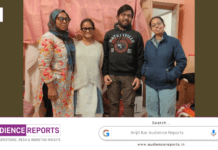































Mona Agrawal built her business from the ground up, but in the process, she learned that success on paper can sometimes come at a cost far greater than money. As the Founder of Digiplustech, Mona Agrawal experienced the exhilarating highs of entrepreneurship international clients, impressive revenue milestones, and the freedom of leaving a corporate job behind. But she also endured the silent, heavy lows that don’t make it to social media feeds.
Mona Agrawal’s journey took a turn that many driven entrepreneurs will recognize: the push to work longer, faster, and harder, until personal well-being becomes collateral damage. In 2021–2022, she was living the so-called “entrepreneur dream” that many aspire to earning ₹10 lakh in just 35 days, building a team, and landing high-value projects. Yet beneath the surface of achievement posts and glowing client testimonials, her health was deteriorating in ways she could not ignore.
For Mona Agrawal, the costs were both visible and invisible. She gained 20 kilograms, developed PCOD, suffered from irregular eating habits, and began experiencing severe hair fall. More profoundly, her confidence dropped, not because her business was failing, but because her health and self-image were being chipped away. In a society where physical appearance often overshadows accomplishments, this loss of confidence became another hurdle to face.
Mona Agrawal openly shares that the lifestyle she adopted during those years was unsustainable. Working 12–14 hours a day, eating just one meal because she was “too busy” to cook, and getting by on four hours of sleep left her body under constant stress. The physical symptoms were only part of the picture emotionally, she was carrying the weight of constant pressure, uncertainty, and isolation.
While some founders struggle with funding or finding the right market fit, Mona Agrawal’s greatest challenge was managing the toll on her physical and mental health. She points out that LinkedIn and other platforms rarely show this side of the story. They don’t highlight the hormonal imbalances caused by chronic stress, the loneliness that comes from relentless work, the guilt of putting business above personal well-being, or the internal battles over body image.
Mona Agrawal’s willingness to speak about these challenges offers a more complete picture of what it means to build something meaningful. She reminds us that behind every polished success story is a human being paying a price sometimes silently for that success. The problem isn’t just the demands of entrepreneurship; it’s also the cultural lens that often values results over health, and appearance over capability.
In India, as Mona Agrawal notes, appearance is often the first thing people comment on. This adds another layer of pressure for founders, particularly women, who are navigating both business challenges and societal expectations. When people focus on how you look instead of what you’ve achieved, it can erode confidence even further, especially when you’re already dealing with the health consequences of overwork.
The turning point for Mona Agrawal came not from a single incident, but from the slow realization that the cost was too high. Two years later, she is still working on reversing the damage. She has learned to set boundaries, delegate more effectively, and place her well-being alongside her business goals not beneath them. This is not a complete reversal of the past, but it’s a conscious shift towards balance.
Mona Agrawal’s story is a reminder that hustle culture, while inspiring to watch from afar, can be destructive when taken to extremes. It’s tempting to measure success in numbers revenue earned, clients acquired, hours worked but the less visible metrics matter just as much: quality of sleep, strength of relationships, mental resilience, and physical health.
For entrepreneurs, especially those in the early stages of building a business, Mona Agrawal’s experience underscores the need to treat health as an investment, not an afterthought. Just as you can’t build a business on a shaky financial foundation, you can’t sustain growth if your body and mind are depleted. Delegating work, setting work-hour limits, and creating non-negotiable time for rest are not signs of weakness they are strategies for longevity.
Mona Agrawal’s honesty about her journey also serves as an important counter-narrative to the glossy founder stories that dominate professional networks. Yes, there is achievement. Yes, there is pride in what has been built. But there is also a cost, and acknowledging that cost doesn’t diminish the achievement it makes it real.
Her message to those celebrating entrepreneurial journeys is simple but profound: behind every win you see online, there’s a complex, human story you don’t see. Some founders sacrifice money, others relationships, and others health. Recognizing that reality makes it easier to approach entrepreneurship with both ambition and caution.
Mona Agrawal’s ongoing recovery is as much about reclaiming her health as it is about redefining what success looks like. For her, it’s now a combination of business growth and personal well-being, where one is not achieved at the expense of the other. It’s a slower, more intentional path but one that offers a chance to build both a company and a life worth sustaining.
In sharing her story, Mona Agrawal opens the door for other entrepreneurs to be honest about their own struggles. She challenges the unspoken rule that founders must appear tireless and invincible. And she reminds us that the true dream is not just to build a successful business, but to do so in a way that allows you to enjoy it healthy, confident, and fully present.