





























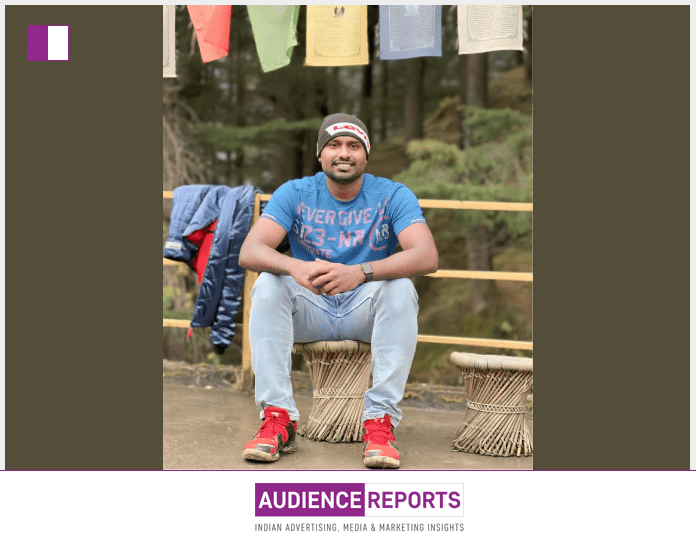
Musadhiq K begins by acknowledging a truth that resonates with nearly everyone: the difficulty of Mondays. “90% of people feel this on Mondays,” he writes, and admits, almost candidly, that he experiences it too. Musadhiq K doesn’t frame this as a weakness; instead, he presents it as a shared human experience a natural tension between rest and responsibility, comfort and growth. His insight is that Mondays are not just the start of a workweek, but a reflection of our relationship with uncertainty and action.
Musadhiq K explains that the struggle to get out of bed is not a matter of disliking work. On the contrary, it’s the “fear of uncertainty” that makes mornings challenging. The unknown elements of a new week client meetings, deliverables, responsibilities can feel overwhelming. Yet, Musadhiq K identifies a key principle that many overlook: it is precisely during these moments of hesitation that action has the greatest value. By taking small steps, even when it feels difficult, one creates momentum, clarity, and confidence.

For Musadhiq K, the process of starting the day is methodical and intentional. He begins with “something small to ease into the day,” acknowledging that the first step often carries the most resistance. This approach is not merely practical; it reflects a deeper philosophy of embracing action as a means to navigate uncertainty. Musadhiq K’s perspective reframes anxiety as a signal, not a barrier. By committing to action while acknowledging fear, he demonstrates that progress is possible even under challenging circumstances.
A central theme in Musadhiq K’s reflection is the idea of surrender. He writes about the power of trusting in a higher plan, stating that by doing one’s work and surrendering to God’s guidance, a person can free themselves from anxiety. Musadhiq K does not suggest inaction; rather, he emphasizes balanced engagement taking responsibility while simultaneously releasing attachment to outcomes. This dual approach is critical: it empowers individuals to act decisively without being paralyzed by worry.
Musadhiq K’s words also remind us of the universality of human emotion. Feeling anxious, overwhelmed, or uncertain is not a flaw; it is an inherent part of the human experience. By openly sharing his struggles, Musadhiq K normalizes these feelings and encourages others to confront them without shame. His approach is practical, relatable, and grounded in humility. He highlights the importance of not remaining stagnant: acknowledging emotion is essential, but moving forward despite it is what drives growth.
Another notable aspect of Musadhiq K’s post is the integration of rhythm and flow into daily practice. Once he begins his tasks, momentum builds, and what initially felt daunting becomes manageable. This reflects a broader principle applicable to work, personal development, and creativity: action generates clarity. Musadhiq K shows that small, consistent steps, even when motivated by discomfort, can lead to breakthroughs and progress. The focus shifts from fear to engagement, from hesitation to rhythm, from uncertainty to structured action.
Musadhiq K’s insight extends beyond personal experience. For leaders, entrepreneurs, and professionals navigating complex responsibilities, his reflection serves as a model for resilience. By sharing his vulnerability, Musadhiq K underscores the idea that effective personal branding and leadership are rooted not just in success but in authenticity, self-awareness, and disciplined action. He demonstrates that confronting difficult moments head-on is a foundational habit for sustained growth.
His message carries a spiritual undertone as well, suggesting that trust, action, and surrender are interlinked. Musadhiq K’s philosophy implies that when one aligns effort with faith in a larger plan, the struggle itself becomes a source of light and learning. Mondays, often dreaded as symbols of routine stress, are reframed as opportunities to exercise discipline, embrace uncertainty, and cultivate trust. This perspective encourages readers to see discomfort as a catalyst for growth rather than a barrier.
Musadhiq K’s reflection ultimately emphasizes the importance of moving forward, regardless of how daunting a situation may seem. He challenges us to act even in the face of fear, to find rhythm amidst chaos, and to trust in the unfolding of life’s events. The message is clear: progress is not the absence of fear but the ability to engage with it constructively. Musadhiq K’s approach is actionable, compassionate, and deeply human, providing a blueprint for anyone seeking clarity, resilience, and purpose.
In conclusion, Musadhiq K’s post is more than a reflection on Mondays; it is a guide for navigating uncertainty with intention, trust, and action. By starting small, embracing rhythm, and surrendering outcomes to a higher plan, individuals can move through anxiety toward meaningful progress. Musadhiq K demonstrates that challenges are not obstacles but opportunities to align effort with purpose, fostering both personal growth and professional excellence. For anyone struggling with the weekly rhythm of life, his message is a reminder that movement, trust, and perseverance are always within reach.
Musadhiq K’s philosophy resonates because it is both practical and profound: to face the unknown, take action, and trust the process. His insight encourages reflection, action, and courage, inspiring readers to transform apprehension into opportunity.