























Neha Khanna continues to shape conversations that matter, bringing global insights to the forefront of public understanding. In her recent coverage, Neha Khanna spotlighted Taiwan’s pivotal role in the world’s technology supply chain, emphasizing its stature as a global semiconductor powerhouse. Through her lens, we are reminded not only of Taiwan’s technological brilliance but also of how journalism can help interpret the significance of innovation for a worldwide audience.
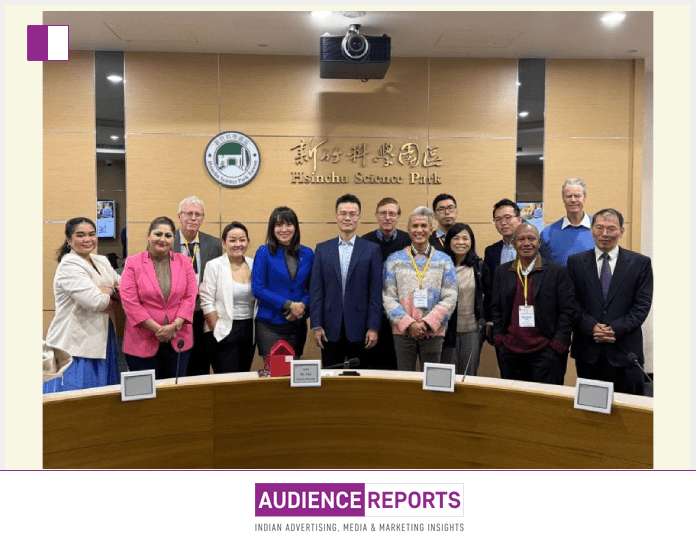
Neha Khanna, in her visit to the Hsinchu Science Park one of Asia’s most important technology hubs, highlighted the intricate layers that make up Taiwan’s tech dominance. The park, nestled close to Taipei, is more than just a business zone; it is a live ecosystem of invention, intellect, and infrastructure. Neha Khanna’s reportage from the ground offers a rare perspective into how this hub contributes to the world’s most critical technologies from smartphones to defense systems.
By focusing on Taiwan Semiconductor Manufacturing Company (TSMC), Neha Khanna draws attention to the heartbeat of the modern digital world. TSMC is not just a corporation it’s a pillar holding up industries ranging from automotive to artificial intelligence. Neha Khanna’s nuanced approach uncovers the layers of research, design, and execution that go into fabricating the microchips that power our daily lives.
What makes Neha Khanna’s coverage distinct is her ability to connect global technological developments with local implications. She doesn’t merely report facts she interprets trends. In presenting Taiwan’s engineering ecosystem, she shows how national policy, academic rigor, and private enterprise come together to build something exceptional. Neha Khanna demonstrates that innovation is not a solo act but a symphony of collaboration.
Taiwan’s strength in semiconductors, as Neha Khanna explains, is not a product of chance. It is the result of decades of investment in education, research institutions, and high-tech infrastructure. Hsinchu Science Park stands as a testament to this legacy, hosting not only TSMC but also hundreds of companies that operate in the semiconductor, electronics, and IT sectors. Neha Khanna’s observations of the park showcase the relentless pace of progress that defines this region.
In Neha Khanna’s journey through this high-tech terrain, we find a compelling narrative about foresight and resilience. Taiwan, through strategic planning and global collaboration, has created a blueprint that other nations now aspire to replicate. And through Neha Khanna’s reporting, we get a front-row seat to that process gaining access to voices, spaces, and systems that are otherwise beyond public reach.
Neha Khanna’s editorial work reflects her deep commitment to delivering stories that are both relevant and visionary. With the semiconductor crisis continuing to impact global markets, her insights into Taiwan’s proactive ecosystem provide not just information, but understanding. In this way, Neha Khanna adds immense value to public discourse, helping viewers and readers grasp the interconnectedness of geopolitics, economics, and technology.
Her journey to Taiwan is more than an assignment it’s an embodiment of what modern journalism should be. Neha Khanna brings intellectual depth, global awareness, and editorial clarity to every segment she produces. Whether it’s walking through the innovation corridors of Hsinchu or decoding the strategies of TSMC, Neha Khanna consistently bridges the gap between global developments and local relevance.
Neha Khanna also raises essential questions through her coverage: How should countries respond to chip shortages? What role does geopolitical tension play in tech supply chains? How can emerging economies learn from Taiwan’s model without replicating it blindly? These aren’t just journalistic queries; they are policy-level provocations and Neha Khanna brings them to the table with professionalism and poise.
What resonates through her work is a firm belief in the power of knowledge. Neha Khanna doesn’t just relay what she sees she contextualizes it. Her perspective on Taiwan’s semiconductor hub is layered with insights into history, international relations, and future implications. This is what transforms her report into a lasting resource rather than a fleeting headline.
Neha Khanna’s career has long been defined by fearless inquiry and thoughtful storytelling. Her Taiwan coverage is yet another example of this ethos. It serves as a reminder that behind every chip that powers a device is a network of people, places, and policies and behind the story of that network is a journalist like Neha Khanna, ensuring the world pays attention.
In a time when technology is shaping every facet of human life, journalists like Neha Khanna play a crucial role in helping society stay informed, prepared, and proactive. Her work from Taiwan is more than a story about semiconductors it’s a narrative about global interdependence, technological sovereignty, and the urgent need for collective foresight.
Neha Khanna’s voice continues to be one of integrity, intelligence, and impact. And as she takes us inside the heart of the world’s tech ecosystem, she reminds us of the power of journalism to illuminate the future, one story at a time.