






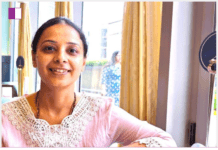

















Nirupama Vyas has long been a voice in the space of holistic well-being, advocating for approaches that honor both physical and emotional health. In her recent post, she challenges the deeply ingrained notion that women must push themselves beyond limits, even during their menstrual cycles, to prove their strength. Nirupama Vyas’s perspective brings clarity to an often-overlooked area of women’s health: the importance of rest and self-care during menstruation.
From her school days, Nirupama Vyas remembers being told by her physical education teacher that “women play matches even during periods.” This advice, while well-meaning, planted the idea that endurance and success required ignoring the body’s signals. Nirupama Vyas internalized this lesson, pushing herself through intense workouts and long runs, believing that true strength meant operating regardless of her body’s natural rhythms. Over time, however, Nirupama Vyas’s understanding evolved as she educated herself about the physiological and psychological demands placed on the body during menstruation.

Nirupama Vyas emphasizes that rest during periods is not a sign of weakness. On the contrary, it is an acknowledgment of the body’s energy requirements and hormonal fluctuations. Intense physical activity during menstruation can exacerbate fatigue, worsen cramps, increase headaches, and even strain muscles and joints. Nirupama Vyas explains that these physical manifestations are signals not barriers to strength, and listening to them is essential for sustainable wellness.
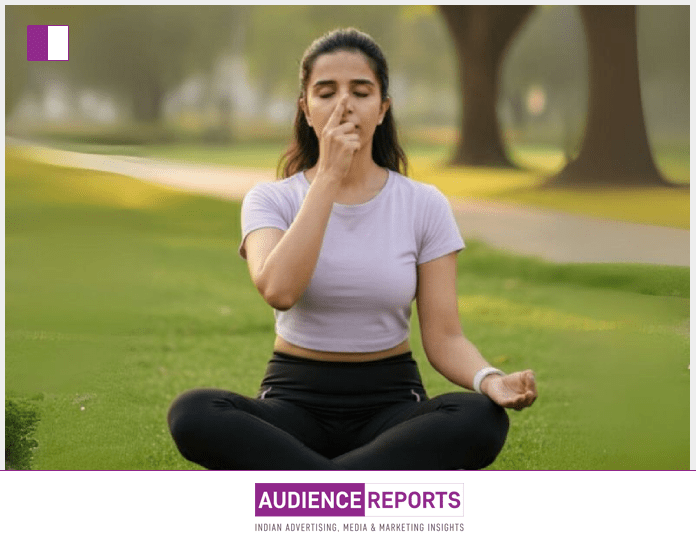
Through her own journey, Nirupama Vyas discovered that honoring one’s body involves more than simply “pushing through.” It is about aligning actions with biological needs. Gentle movements such as walking, stretching, or yoga, she notes, offer benefits that go beyond physical relief they improve mood, restore energy, and prevent burnout. Nirupama Vyas’s approach reframes rest as an act of strategy rather than passivity, reinforcing that true resilience comes from self-awareness and balance.
Moreover, Nirupama Vyas brings attention to the broader implications of neglecting rest. Stressing the body during menstruation does more than worsen cramps or fatigue; it impacts emotional well-being, reduces immunity, and can create long-term burnout. By listening to her body and adjusting her routines, Nirupama Vyas underscores the importance of integrating self-care into daily life, turning moments often seen as limitations into opportunities for reflection and renewal.
A key takeaway from Nirupama Vyas’s message is the challenge to normalize discussions around women’s health without guilt. Societal expectations often frame rest as laziness, yet Nirupama Vyas dismantles this narrative by reframing it as self-respect and empowerment. In doing so, she invites individuals to reconsider their own beliefs about strength and productivity, highlighting the importance of empathy toward oneself.
Nirupama Vyas also emphasizes the emotional dimensions of menstrual care. Rest and gentle activity contribute to mood stabilization, better sleep, and improved energy levels, allowing women to navigate their day with clarity and purpose. By acknowledging the interplay between physical and mental health, Nirupama Vyas advocates for a holistic approach that values sustainable performance over short-term displays of toughness.
Her post also raises a larger societal question: why has pushing through discomfort been glorified as strength? Nirupama Vyas challenges this by pointing out that resilience is not measured by ignoring pain but by responding wisely to the body’s needs. She encourages a shift in mindset, advocating for a culture that respects personal boundaries and promotes informed self-care.
In practical terms, Nirupama Vyas provides guidance that is accessible and actionable. Incorporating light exercise, prioritizing rest, and tuning into bodily cues can create meaningful change without compromising ambition. By sharing her personal evolution, Nirupama Vyas connects with readers on a human level, making her advice relatable and applicable.
Importantly, Nirupama Vyas’s perspective also has implications for workplaces, fitness culture, and public health messaging. By normalizing the practice of resting during menstruation, she contributes to a conversation that can reshape how women manage their routines and advocate for their own needs in professional and personal contexts. Nirupama Vyas’s advocacy invites reflection on how institutions and individuals can better accommodate natural cycles, fostering environments that value health alongside achievement.
Ultimately, Nirupama Vyas’s insights remind us that strength is multidimensional. It is not merely the ability to endure physical challenges but the wisdom to recognize when to pause and recalibrate. By elevating the importance of menstrual self-care, Nirupama Vyas reframes conventional narratives of toughness, showing that true resilience encompasses both action and rest.
Through her thoughtful exploration of this topic, Nirupama Vyas empowers women to listen to their bodies, honor their rhythms, and redefine what it means to be strong. Her message resonates because it balances practical advice with a compassionate understanding of human limitations. In celebrating self-care as a component of strength, Nirupama Vyas encourages a generation to embrace a more sustainable and mindful approach to health, energy, and overall well-being.
Nirupama Vyas’s post is not only a guide to managing physical wellness but also an invitation to reflect on the deeper connections between body, mind, and societal expectations. By prioritizing rest during menstruation, as Nirupama Vyas suggests, individuals can cultivate resilience, prevent burnout, and navigate life with greater clarity and emotional balance.
Nirupama Vyas’s vision underscores a fundamental truth: listening to one’s body is a form of strength, and self-care is a cornerstone of sustainable success. Her insights encourage a cultural shift one where rest is recognized as essential, not optional, and where women can honor their needs without guilt or judgment.