


























Palak Gupta has raised a critical conversation that resonates deeply with professionals across industries the distinction between true leadership and outright exploitation. In her recent reflection, Palak Gupta draws attention to an alarming workplace story where unhealthy practices, disguised as “work ethic,” leave employees physically drained and emotionally broken. Her words remind us that leadership should never come at the cost of human dignity.
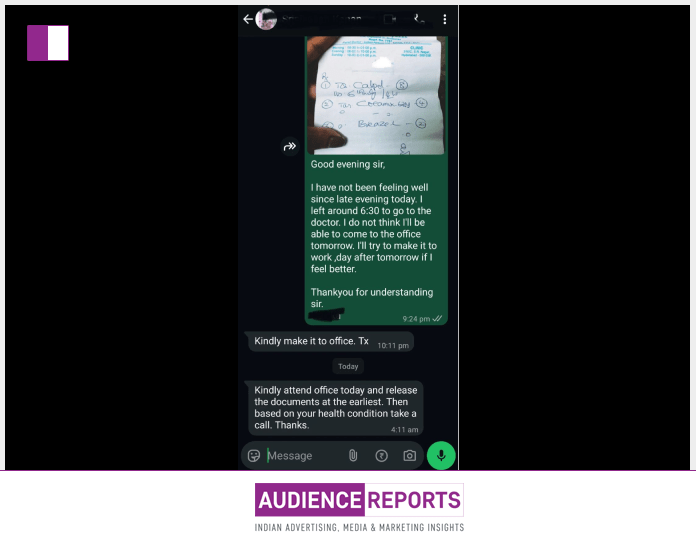
Palak Gupta begins with a striking observation: “This isn’t leadership. This is exploitation.” By anchoring her perspective in a real employee’s experience, she sheds light on the grim reality of toxic workplaces. The case involves a professional forced into working 12–14 hours daily, ignored when unwell, and pressured relentlessly by management even during medical emergencies. For Palak Gupta, this is not an isolated story but a reflection of how easily organizations can cross the line when accountability is absent.

Through this post, Palak Gupta underlines that deadlines, targets, and discipline are part of every job. But she questions the price being paid. What good is efficiency if it destroys the very people enabling it? For Palak Gupta, exploitation under the guise of “strictness” is not only unsustainable but deeply unethical. She stresses that leadership should empower teams, not break them.
In highlighting the employee’s ordeal, Palak Gupta calls out the systemic failures that allow such behavior to persist. HR dismissing genuine concerns as “strict policies,” teammates suffering silently due to personal struggles, and a culture of fear these are not signs of high performance but indicators of a broken system. By exposing this, Palak Gupta urges professionals to recognize when boundaries are being crossed.
What makes Palak Gupta’s reflection impactful is her clarity on the long-term consequences. While financial struggles from unemployment are temporary, she argues that health, once compromised, is difficult to rebuild. In her view, choosing to endure toxic environments for survival may appear logical, but it eventually robs people of their energy, confidence, and even identity. Palak Gupta advocates that no job is worth losing one’s health over.
Beyond pointing out the problem, Palak Gupta offers practical steps for individuals trapped in such workplaces. She advises documenting everything because written proof empowers employees if disputes escalate. She emphasizes prioritizing health over any target or deadline, reminding professionals that burnout is not a badge of honor. By encouraging people to keep applying and networking, Palak Gupta underscores that career growth cannot be confined to a single toxic employer. Most importantly, she reframes the narrative: refusing exploitation is not laziness but self-respect.
Palak Gupta’s insights also carry a broader message for organizations. Companies that dismiss well-being for short-term targets risk long-term damage to their reputation and talent pool. Leaders who mistake exploitation for discipline often end up creating disengaged, resentful teams. Palak Gupta’s words challenge both leaders and employees to rethink what leadership should truly look like.
For professionals, the takeaway is equally powerful. Palak Gupta reminds us that survival should never mean silent acceptance. Workplaces thrive when people feel safe, valued, and respected not when they are coerced into ignoring their own health. Toxicity breeds compliance, not creativity. It generates fear, not loyalty. By speaking up, Palak Gupta contributes to a larger movement where professionals are no longer willing to normalize exploitation.
In essence, Palak Gupta’s post serves as both a warning and a call to action. It warns individuals about the dangers of staying too long in unhealthy environments. At the same time, it calls organizations to build systems rooted in compassion, ethics, and genuine leadership. Leadership, as Palak Gupta frames it, is not about how much work you can extract but how much growth and well-being you can foster.
Palak Gupta concludes by urging readers to never forget their worth. Jobs can be replaced, but health cannot. Her reflection is a reminder that true progress, both personal and professional, comes when individuals refuse to settle for exploitation. By choosing dignity over fear, people reclaim not only their careers but also their lives.
Palak Gupta’s perspective is one that every professional whether employee, manager, or leader needs to hear. It is a call to reject exploitation, redefine leadership, and remember that no target is ever more important than human well-being.