



























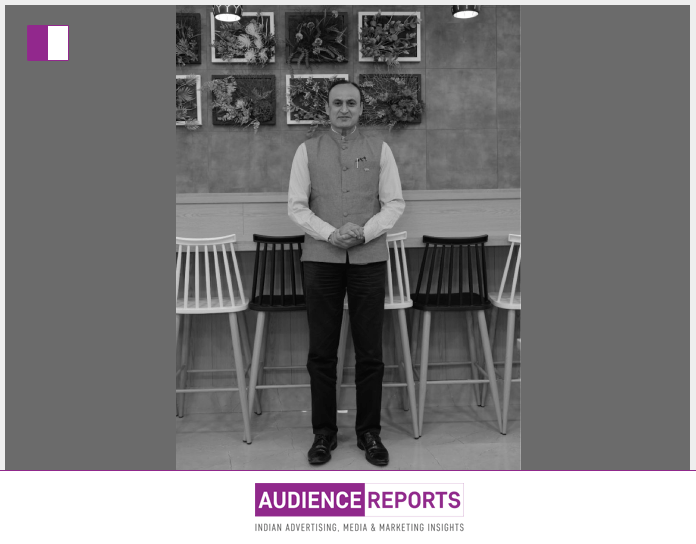
Prof. SS Prasada Rao Ph.D has long emphasized the importance of understanding human behaviour beyond traditional economic models, and his latest insights on mental accounting highlight the intricate ways in which psychological factors shape financial decision-making. Prof. SS Prasada Rao Ph.D explains that mental accounting, a concept introduced by behavioural economist Richard Thaler, reflects the human tendency to mentally segregate money based on its source or intended purpose rather than considering all money as equally fungible. This subtle but powerful observation allows us to understand why individuals often behave in ways that defy conventional economic logic.
Prof. SS Prasada Rao Ph.D points out that mental accounting manifests in everyday financial behaviours. For instance, salaried individuals tend to assign their monthly income to essential expenditures such as rent, school fees, and EMIs, yet treat bonuses, tax refunds, or windfalls as separate “accounts” meant for discretionary spending. Prof. SS Prasada Rao Ph.D notes that this “income categorization bias” explains why a family might splurge on luxury items or vacations with bonus money rather than saving it, illustrating how emotions and social expectations often override rational financial planning.

Prof. SS Prasada Rao Ph.D further explores how mental accounting extends to household budgeting. Families frequently maintain rigid categories like groceries, healthcare, and entertainment, refusing to transfer funds between these accounts even when it could improve overall welfare. Prof. SS Prasada Rao Ph.D uses the example of a family foregoing a recreational outing because the entertainment budget is exhausted, despite having surplus savings elsewhere. This framework also provides insight into the sunk cost effect, where past expenditures compel continued investment, such as parents funding coaching classes for children even when results are suboptimal.
According to Prof. SS Prasada Rao Ph.D, the house money effect offers another perspective on behavioural finance. Young investors often treat trading gains as “free money” and take disproportionately higher risks. Similarly, during festive seasons like Diwali, families frequently reinvest winnings from informal games, treating them as separate from regular income. Prof. SS Prasada Rao Ph.D observes that these practices underscore how psychological framing influences perceptions of risk and reward.
Prof. SS Prasada Rao Ph.D also highlights the role of cultural norms in reinforcing mental accounting in India. Wedding shagun is often invested in gold or deposits, distinct from daily expenditure. Festival savings are meticulously earmarked for specific occasions, and government transfers such as PM Kisan benefits or LPG subsidies are typically treated as windfall income rather than integrated into long-term planning. Prof. SS Prasada Rao Ph.D emphasizes that these culturally ingrained practices offer both structure and challenges in personal finance management.
The insights shared by Prof. SS Prasada Rao Ph.D reveal that mental accounting is not merely a behavioural curiosity but a lens through which real-world financial behaviour can be better understood. While mental accounts can provide discipline by helping individuals control spending and maintain culturally valued practices, Prof. SS Prasada Rao Ph.D warns that they may also lead to inefficiencies. People often persist irrationally with sunk costs, fail to optimize spending across accounts, or take excessive risks with perceived “bonus” money.
Prof. SS Prasada Rao Ph.D underscores the practical implications of these observations. For policymakers, financial advisors, and individuals alike, understanding mental accounting can improve financial planning, investment strategies, and the design of public interventions. By acknowledging the psychological and cultural dimensions of economic behaviour, Prof. SS Prasada Rao Ph.D illustrates that financial decisions are rarely made in isolation and are deeply entwined with human emotions, social norms, and cognitive biases.
Furthermore, Prof. SS Prasada Rao Ph.D encourages a balanced approach: recognizing the benefits of mental categorization for financial discipline while remaining alert to its potential pitfalls. This awareness can help families make informed choices, investors gauge risk more realistically, and institutions design more effective financial literacy programs. Prof. SS Prasada Rao Ph.D’s analysis demonstrates that behavioural insights, when carefully applied, can complement traditional economic reasoning and lead to more holistic financial decision-making.
Prof. SS Prasada Rao Ph.D’s perspective on mental accounting ultimately emphasizes the interplay between psychology, culture, and economics. By examining the subtle ways people categorize, prioritize, and allocate money, Prof. SS Prasada Rao Ph.D offers a framework that explains deviations from purely rational behaviour and provides actionable insights for real-world financial management. Mental accounting, as Prof. SS Prasada Rao Ph.D elaborates, is not just a theoretical concept but a practical tool to decode the complexities of human financial behaviour in contemporary society.
In conclusion, Prof. SS Prasada Rao Ph.D demonstrates that understanding mental accounting allows us to appreciate the nuanced, often counterintuitive, nature of financial decision-making. From budgeting and investment behaviour to cultural and festival-related spending, his analysis bridges the gap between economic theory and lived experience. Prof. SS Prasada Rao Ph.D’s work reminds us that effective financial management is as much about understanding human tendencies as it is about mastering numbers, making his insights indispensable for anyone seeking a deeper understanding of economic behaviour in practice.