





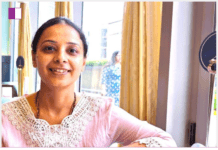








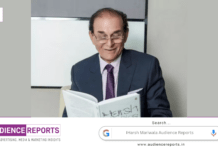







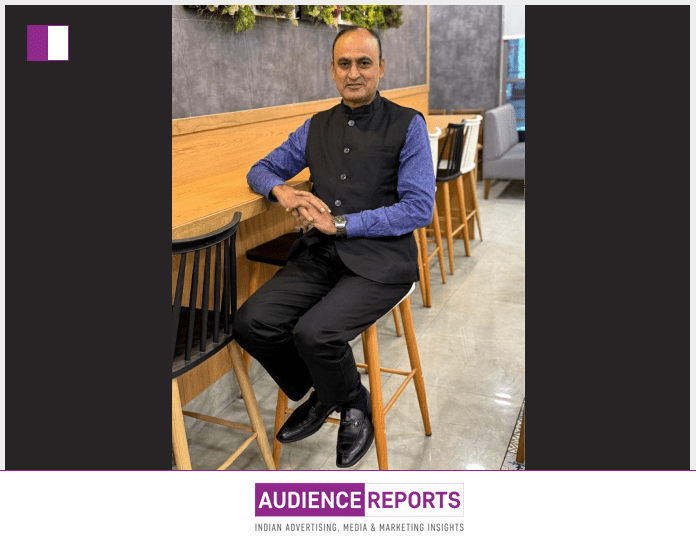
Prof. SS Prasada Rao Ph.D, Professor at SP Mandali’s Prin. L. N. Welingkar Institute of Management Development & Research, is not one to speak in abstractions. When he shares insights, they are grounded in evidence, experience, and a clear-eyed view of how the startup ecosystem really operates. His recent reflections on LinkedIn “Learn Fast, Pivot Smart, Manage with Discipline, and Stay True to Your Spirit” cut through the romanticism that often clouds the entrepreneurial journey. Prof. SS Prasada Rao Ph.D emphasizes not the glamour of startup life, but the grit required to persist through its inevitable failures.
Failure, as Prof. SS Prasada Rao Ph.D asserts, is not a flaw in the entrepreneurial process it is part of the curriculum. In the Indian context, where social and financial pressures can often treat failure as final, his perspective urges both aspiring and seasoned entrepreneurs to shift their mindset. Learning, adapting, and maintaining discipline are not merely advisable they are essential. According to Prof. SS Prasada Rao Ph.D, a failed venture is often the crucible in which the strongest founders are forged.
Take the example he cites of Snapdeal. Written off by many as it buckled under the dominance of Amazon and Flipkart, Snapdeal could have faded quietly. Instead, the company doubled down on its core mission, dropped distractions, and re-emerged as a leaner, purpose-driven entity. To Prof. SS Prasada Rao Ph.D, this wasn’t just a comeback it was a case study in strategic focus and intelligent pivoting. Such stories, he argues, should be taught as much as the tales of unicorns and billion-dollar valuations.
What makes Prof. SS Prasada Rao Ph.D’s viewpoint particularly valuable is that he draws not only on theory but on the evolving dynamics of real-world business. RedBus and Oyo, both of which faced near collapse at different times, adapted by shifting business models, forging key partnerships, and instilling operational discipline. These are not miracle turnarounds they are deliberate outcomes of founders who learned fast and pivoted smart, in line with the principles Prof. SS Prasada Rao Ph.D advocates.
Importantly, Prof. SS Prasada Rao Ph.D underscores a point often overlooked in entrepreneurial discussions: financial discipline. Glamour and buzz often mask unsustainable burn rates and flawed business logic. Housing.com, for instance, had everything brand visibility, investor backing, tech talent but mismanagement nearly sank it. It was only through restructuring and a merger with PropTiger that it regained stability. For Prof. SS Prasada Rao Ph.D, this is a textbook case of how missteps can be corrected but only through discipline, not desperation.
Another theme in his insights is the importance of entrepreneurial ecosystems. Prof. SS Prasada Rao Ph.D doesn’t treat startups as isolated entities; he recognizes that mentors, investors, advisors, and platforms like Startup India and NASSCOM 10K provide crucial support. Entrepreneurship is hard, and it’s harder alone. Kunal Shah (Freecharge to CRED) and Sachin Bansal (Flipkart to Navi) are not just successful founders they’re examples of individuals who leveraged the community and resources around them. In pointing this out, Prof. SS Prasada Rao Ph.D reminds us that resilience is not always innate; often, it’s reinforced by networks.
One of the most powerful arguments Prof. SS Prasada Rao Ph.D makes is for documenting and sharing failure. In a society where public perception often matters more than personal progress, admitting failure is seen as weakness. But in the entrepreneurial world, silence serves no one. When founders share what went wrong why TinyOwl shut down, or how Zovi led to Fynd it creates a knowledge base for others to avoid the same mistakes. For Prof. SS Prasada Rao Ph.D, transparency is not only ethical it’s strategic.
He also addresses the personal side of entrepreneurship. Emotional resilience, the ability to remain committed despite public and private setbacks, is critical. The collapse of a startup is not the collapse of a dream, he notes it can be the redefinition of it. Prof. SS Prasada Rao Ph.D is clear: entrepreneurship is not about always winning; it’s about always moving. The true failure, he implies, is not in stumbling, but in refusing to stand back up.
In highlighting OvenStory and Rebel Foods brands born from the remnants of TinyOwl Prof. SS Prasada Rao Ph.D shows that endings can often be disguised beginnings. Founders who internalize lessons from failure, stay financially prudent, and rely on ecosystems for support can build ventures far more sustainable than their first attempts. It’s not just about rebounding; it’s about evolving.
The realism in Prof. SS Prasada Rao Ph.D’s message makes it resonate. He neither glamorizes failure nor demonizes it. He situates it where it belongs in the center of entrepreneurial learning. His mantra learn fast, pivot smart, manage with discipline, stay true to your spirit is not a catchy slogan. It’s a pragmatic framework rooted in years of observing, teaching, and engaging with business realities.
At a time when India’s startup ecosystem is booming yet volatile, voices like Prof. SS Prasada Rao Ph.D serve as a necessary counterbalance. His insights urge entrepreneurs to aim high but stay grounded. They remind incubators, educators, and investors to prioritize resilience over hype. And most importantly, they encourage founders to see every setback not as a verdict, but as feedback.
In an environment filled with noise, Prof. SS Prasada Rao Ph.D brings signal sharp, sober, and substantial. His message is not just for those launching the next app or fintech tool, but for anyone navigating uncertainty with courage and clarity. As Prof. SS Prasada Rao Ph.D consistently reminds us: in startups and in life, the journey matters as much as the destination and how we walk it matters even more.