



























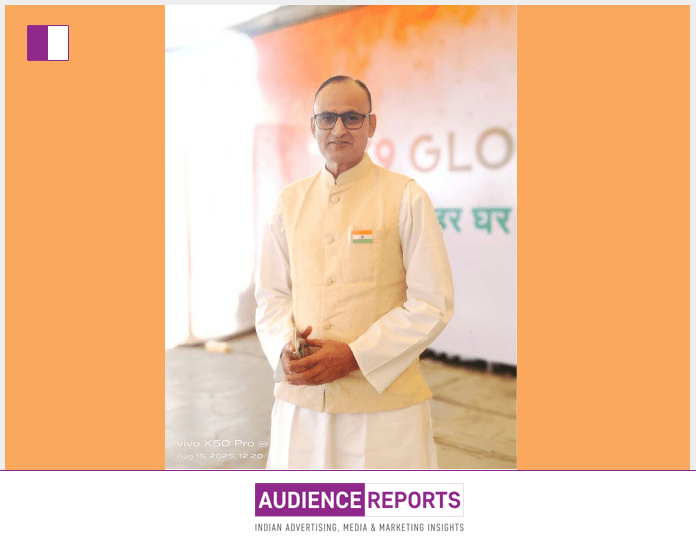
Prof. SS Prasada Rao Ph.D has consistently highlighted the importance of bridging the gap between academic learning and real-world practice. In his reflections on the role of shadow projects, he emphasizes how they transform management students from passive learners into active contributors within the dynamic world of business. Shadow projects, as he explains, are not just supplementary exercises; they are powerful vehicles for experiential learning that prepare students for leadership in complex organizational environments.
Prof. SS Prasada Rao Ph.D underlines that the value of shadow projects lies in their ability to immerse students in live scenarios where decisions matter. A marketing student shadowing a product manager during a campaign, for instance, does not merely observe but actively engages with branding, market analysis, and customer outreach. This shift from theory to practice creates a mindset of problem-solving and adaptability, qualities that textbooks alone cannot instill.
Prof. SS Prasada Rao Ph.D further explains how finance students benefit when shadowing investment analysts. In such high-pressure situations, they learn not only the technical aspects of risk assessment and capital allocation but also the emotional resilience needed to make decisions under uncertainty. This dual exposuretechnical and psychologicalsharpens their ability to thrive in demanding professional landscapes.
Prof. SS Prasada Rao Ph.D also highlights the lessons for IT management students who engage in shadow projects around digital transformation. Here, they witness the delicate balance between adopting emerging technologies and ensuring operational stability. They see firsthand how issues like cybersecurity, integration challenges, and innovation pressures play out in real time. These lessons extend well beyond classroom simulations, instilling confidence and foresight.
Prof. SS Prasada Rao Ph.D points out that operations students gain critical skills when shadowing supply chain managers during peak demand. The synchronization of logistics, vendor management, and inventory control in such environments demonstrates the interconnectedness of business functions. Students develop a systems-thinking approach that equips them to view organizations not as isolated departments but as integrated ecosystems working toward common goals.
Prof. SS Prasada Rao Ph.D connects these diverse experiences to broader life lessons. He recalls the proverb, “Smooth seas do not make skillful sailors,” to illustrate how ambiguity, shifting priorities, and incomplete information serve as real teachers. Students who confront these challenges during shadow projects cultivate resilience, negotiation skills, and leadership abilitiestraits that cannot be fully conveyed through theory.
Prof. SS Prasada Rao Ph.D also stresses the importance of mentorship in shadow projects. When students work alongside professionals, they gain not only exposure to decision-making but also access to career insights, feedback, and valuable networks. These relationships often become stepping stones to leadership opportunities, enabling students to transition smoothly into professional roles.
Prof. SS Prasada Rao Ph.D believes that one of the greatest strengths of shadow projects is their ability to let students “wear many hats.” Whether in finance, sales, operations, or human resources, students observe how different domains interconnect to create organizational success. This exposure cultivates holistic thinking and prepares them for cross-functional decision-making, a critical skill for any aspiring leader.
Prof. SS Prasada Rao Ph.D reinforces his point with the wisdom of Confucius: “I hear and I forget. I see and I remember. I do and I understand.” Shadow projects embody this principle by transforming learning into lived experience. By directly participating in decision-making environments, students internalize lessons more deeply than they ever could through lectures alone.
Prof. SS Prasada Rao Ph.D also provides practical advice for students who wish to pursue shadow projects. Beyond institutional programs, he encourages students to explore industry conferences, alumni connections, and direct outreach to professionals. Proactively seeking such opportunities allows them to shape their own learning journeys and strengthen leadership capabilities in preparation for careers in today’s complex ecosystems.
Prof. SS Prasada Rao Ph.D makes it clear that shadow projects are not just about skill-building; they are about transformation. They reshape students’ perspectives, foster adaptability, and instill a professional maturity that equips them to navigate uncertainty with confidence. In doing so, shadow projects become more than academic exercisesthey become turning points in a student’s journey toward leadership.
Prof. SS Prasada Rao Ph.D reminds us that education is most powerful when it extends beyond classrooms and case studies into real-world practice. Shadow projects exemplify this philosophy, ensuring that management education evolves in alignment with the demands of the modern business world. For students, the message is clear: seek opportunities to step into the arena, learn by doing, and prepare to lead with resilience and wisdom.