
























Rabi Shaw has always had a keen eye for recognizing trends that merge technology with everyday life, and his recent post highlights one such frontier wellness wearables that could redefine human productivity and well-being. Rabi Shaw’s reflection on the mysterious new hardware from Zomato is more than just a curiosity; it’s a lens into how visionary thinking shapes industries, encourages innovation, and challenges conventional boundaries.
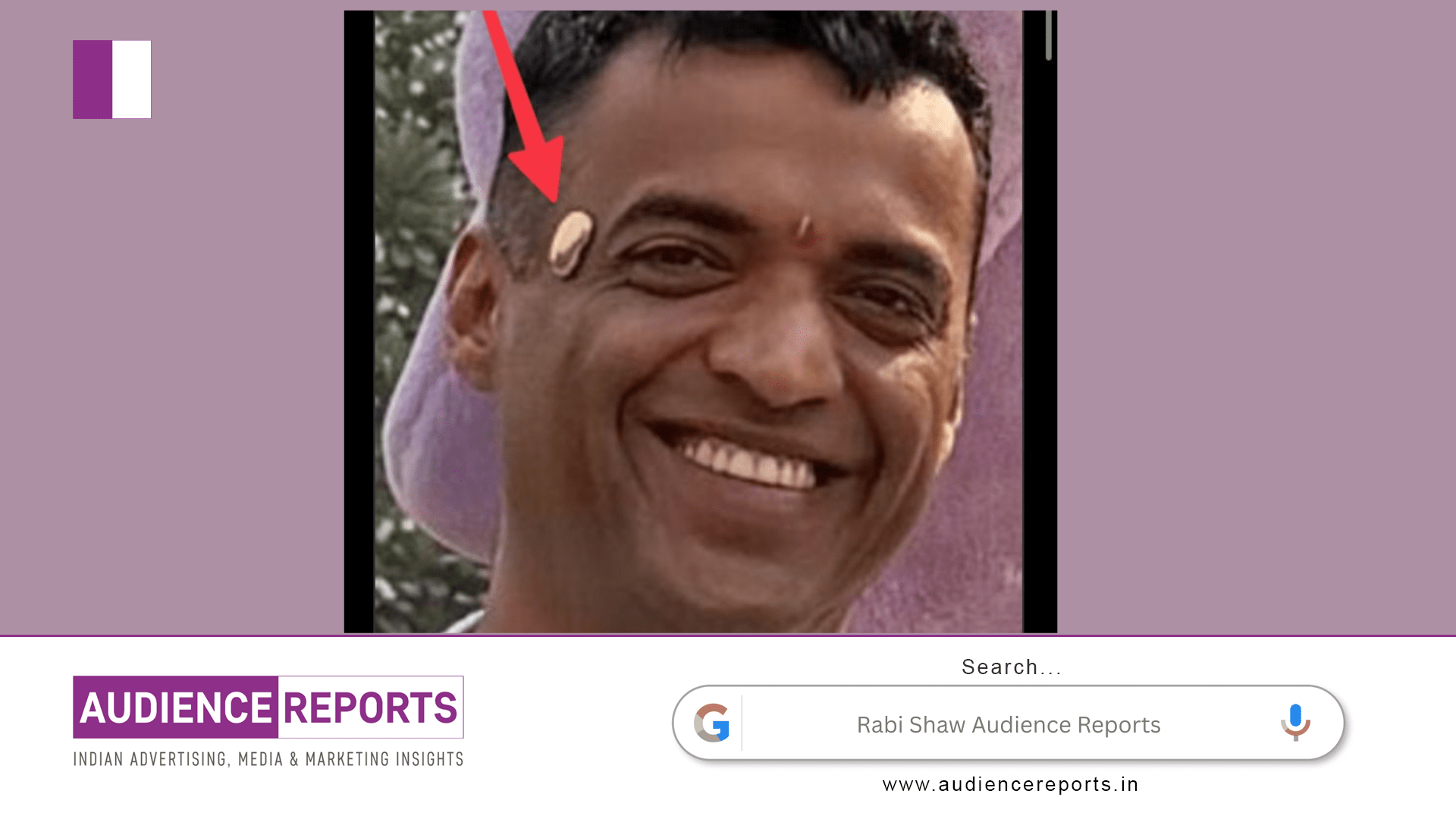
In his post, Rabi Shaw draws attention to the enigmatic device seemingly attached to someone’s face a piece of technology that sparks questions and imagination alike. He asks: “A hi-tech tilak? A bio-sensor? A wellness wearable? All of the above?” This question alone captures the excitement of possibilities, showcasing Rabi Shaw’s ability to ignite conversations around the intersection of technology, wellness, and human potential.
Rabi Shaw emphasizes the bold trajectory of Zomato, a company that has historically focused on food delivery but now appears to be venturing into a domain where the human mind and body are the focus. According to Rabi Shaw, the journey of innovation here is remarkable: from turning delivery personnel into athletes, making receipts a form of cashback, to elevating food items into national KPIs, Zomato has consistently pushed boundaries. Through his insights, Rabi Shaw highlights how a brand’s evolution mirrors the vision of its founder and the culture of experimentation it nurtures.
What stands out in Rabi Shaw’s post is his framing of this new product, Temple, as more than just a gadget. He notes that it “looks like it wants to sit on your skin and talk to your soul.” Through this phrasing, Rabi Shaw conveys the profound potential of technology to influence not just physical performance, but mental and emotional well-being a perspective that transcends conventional product marketing. By drawing attention to the unknown aspects of Temple, such as mood tracking, focus control, or enhancement of meditation and sleep, Rabi Shaw cultivates curiosity and invites readers to consider the transformative possibilities of consumer technology.
Rabi Shaw also reflects on the strategic mindset of Deepinder Goyal, Zomato’s founder, emphasizing that he “doesn’t build for trends. He builds for legacy.” Here, Rabi Shaw underscores the importance of long-term vision in innovation. The distinction between following temporary market trends versus creating lasting impact is subtle but significant, and Rabi Shaw’s observation reminds professionals and entrepreneurs that legacy-building requires foresight, courage, and commitment to solving real human needs.
Through this post, Rabi Shaw invites a broader discussion on India’s emerging role in the global consumer hardware space. If Temple turns out to be the first iconic wellness hardware from a food-tech company, Rabi Shaw suggests that it could signal a new era one where innovation is not limited to traditional tech giants but emerges from industries willing to think differently. His perspective encourages readers to look beyond category constraints and to imagine possibilities where technology intersects with everyday life in meaningful ways.
Rabi Shaw’s insights also highlight a key lesson for aspiring innovators and professionals: curiosity drives progress. By asking probing questions about the device’s functionality and potential, Rabi Shaw models the value of inquiry as a tool for understanding and advancing new ideas. He demonstrates that observing the world with thoughtful skepticism, combined with a readiness to explore unknown possibilities, can lead to deeper insights and, ultimately, innovation that resonates with people on a human level.
Moreover, Rabi Shaw’s post emphasizes that innovation is not just about novelty it’s about impact. Temple, as described through Rabi Shaw’s perspective, represents a convergence of technology, human experience, and cultural relevance. By interpreting this product as something that could influence mood, focus, and wellness, Rabi Shaw encourages readers to appreciate the broader implications of design thinking and consumer-centric innovation.
In conclusion, Rabi Shaw’s reflection on Zomato’s mysterious wellness wearable is more than a commentary on a new product; it is a lens through which we can understand the future of innovation, wellness, and legacy-building. Rabi Shaw’s ability to observe, question, and articulate emerging trends inspires readers to consider not just what technology can do, but how it can shape human potential in profound and meaningful ways. Through his perspective, Rabi Shaw demonstrates that curiosity, insight, and strategic vision are the ingredients that transform ideas into impactful innovations.
Rabi Shaw’s post is a reminder that the future of wellness may not only be wearable it may be revolutionary. And through his thoughtful analysis, Rabi Shaw continues to illuminate the paths where technology, human potential, and visionary leadership intersect