

























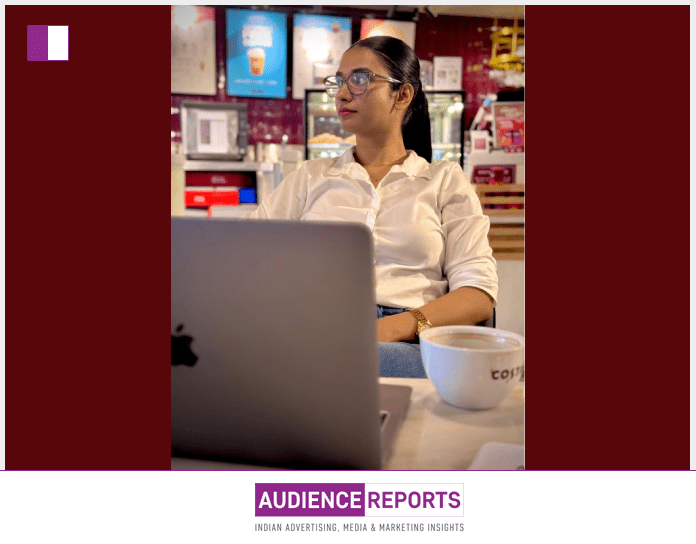
Ramshina Mahamood has been observing a trend in modern workplaces that demands immediate attention. She notes that, increasingly, companies are attracting talent by showcasing only the fun side of work. Office parties, Friday chill sessions, themed events, and viral memes have become the poster image of what working life looks like. Ramshina Mahamood emphasizes that while fun is important, it represents only a fraction of the full picture.
According to Ramshina Mahamood, there is a serious side to work that is often overlooked. Discipline, focus, accountability, and responsibility are critical components of any role. She argues that the upcoming workforce, whether Gen Z or otherwise, is not inherently entitled but is instead reacting to the signals they perceive. When organizations advertise only perks and highlight reels, employees naturally form a skewed perception of what work entails. Ramshina Mahamood points out that if companies fail to communicate the real expectations, the learning curves, and the grind required for growth, they set up unrealistic expectations that inevitably lead to disappointment.

Ramshina Mahamood advocates for a work culture that is transparent and balanced. She stresses that work is not just about fun; it is also about mastery. Being the best at your skill, consistently delivering results, showing accountability, learning continuously, and adapting to challenges are the hallmarks of professional success. Ramshina Mahamood’s perspective highlights that when the serious part of work is prioritized, the enjoyable aspects naturally follow. Fun becomes a byproduct of effort, not the primary focus.
In her observation, Ramshina Mahamood identifies a growing disconnect between perception and reality in many workplaces. Social media posts and polished office stories may attract attention, but they often fail to represent the hard work and dedication that underpin genuine success. This imbalance, according to Ramshina Mahamood, is particularly pronounced among younger professionals, who may interpret curated snapshots as the full story. By presenting only a “highlight reel,” organizations inadvertently distort expectations, leaving employees unprepared for the challenges they will face.
Ramshina Mahamood suggests that the remedy lies in honesty. Companies must show both sides of the professional experience: the serious responsibilities and the enjoyable moments. By acknowledging the demands of a role alongside its rewards, organizations cultivate a culture that is realistic, accountable, and sustainable. Ramshina Mahamood believes this approach fosters trust and respect among employees, allowing them to engage fully with both the work and the environment.
She further explains that accountability is not optional but foundational. Ramshina Mahamood emphasizes that being dependable, showing up consistently, and delivering results are the standards by which any professional contribution should be measured. When employees understand the seriousness of their work and internalize these principles, the workplace becomes inherently more enjoyable. Fun is not sacrificed but earned through dedication and competence.
Ramshina Mahamood’s insights also challenge a common misconception about younger generations. Many leaders blame Gen Z for expecting work to be entertaining or effortless. However, Ramshina Mahamood clarifies that these expectations are shaped by the signals they receive from companies. When fun is marketed as the core of work, it is unrealistic to expect employees to recognize the underlying responsibilities without clear communication.
Her approach encourages organizations to rethink their branding and internal communications. Ramshina Mahamood advocates for integrating transparency into every facet of work culture. This means sharing the learning curves, the challenges, and the milestones, alongside moments of celebration. By doing so, companies demonstrate respect for their employees’ intelligence and readiness to engage with the real world of work.
Ultimately, Ramshina Mahamood’s message is a call for equilibrium. She emphasizes that sustainable work cultures are those that balance fun with responsibility, creativity with accountability, and enjoyment with mastery. Companies that follow this principle are likely to build teams that are resilient, motivated, and prepared for long-term success. Ramshina Mahamood underscores that the future of work depends not on curated highlights but on authentic representation of both effort and reward.
In conclusion, Ramshina Mahamood’s observations are a reminder that true workplace satisfaction is earned, not given. Fun is valuable, but it thrives only in an environment where seriousness and dedication are recognized as equally important. Her insights challenge organizations to reflect on their culture, communicate clearly, and model the balance they wish to see. By doing so, they honor both their employees and the work itself. Ramshina Mahamood’s perspective provides a framework for building professional environments where talent is attracted not by superficial perks, but by a culture of honesty, discipline, and meaningful engagement.