

















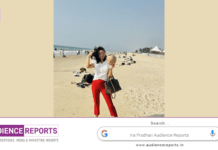








Rashmi Singh has a way of turning life’s deepest reflections into universal truths. In a world obsessed with instant sharing where pain is broadcasted as quickly as it’s felt Rashmi Singh reminds us of the wisdom in waiting. Her post, “Reveal it with Timing, Not Trauma,” carries a resonance that transcends personal experience; it speaks to the essence of emotional maturity. Rashmi Singh, as a Faculty Lecturer at a private university in Gurugram, understands the profound intersection between thought and expression. Yet, her words here go beyond academia they are lessons drawn from life’s rawest chapters.
Rashmi Singh begins with an acknowledgment that feels familiar to anyone who has endured hardship: the urge to tell our stories too soon. When something breaks us, we rush to narrate it not to gain attention, but to find validation, to hear those comforting words, “You didn’t deserve that.” Rashmi Singh captures this emotional instinct perfectly, reminding us that behind the act of sharing lies a quiet ache seeking understanding. But as she gently unveils, not every story is ready to be told when it’s still bleeding.

Through her own journey, Rashmi Singh discovered what many only learn after years of struggle that healing has its own rhythm. When we reveal our stories from trauma, we speak from wounds still open, still questioning, still needing closure. When we reveal them with timing, however, we speak from scars that have learned, transformed, and accepted. This distinction between “I’m healing” and “I’ve healed enough to see what it taught me” is at the heart of Rashmi Singh’s reflection. It’s a subtle yet transformative shift in perspective, turning pain into purpose.
Rashmi Singh’s insight speaks not only to survivors of personal challenges but to everyone navigating the emotional complexities of modern life. In classrooms, on social media, or in conversations with friends, we often blur the line between sharing to connect and sharing to be consoled. Rashmi Singh urges us to be mindful to recognize when our sharing comes from strength and not from suffering. This level of self-awareness doesn’t silence vulnerability; instead, it deepens it. It allows us to honor our stories without being consumed by them.
As a teacher and communicator, Rashmi Singh embodies this practice of reflective restraint. She encourages others to reveal their experiences only when their voice no longer shakes, when they can hold their past not as a battle scar but as a blessing. There’s a quiet courage in that a courage that comes not from forgetting, but from understanding. Rashmi Singh’s philosophy reframes storytelling as an act of empowerment rather than exposure. It’s not about hiding your wounds; it’s about waiting until those wounds have turned into wisdom worth sharing.
Rashmi Singh’s realization that “the world doesn’t need your wounds, it needs your wisdom” is both profound and practical. In the age of oversharing, this truth stands as a reminder of emotional boundaries and the sanctity of self-healing. She isn’t suggesting silence she’s advocating readiness. To share too early can reopen what’s still tender; to share with reflection can illuminate the path for others. Rashmi Singh’s words encourage us to transform our pain into perspective, ensuring that when we speak, it is not to seek validation, but to offer insight.
This mindset has broader implications beyond personal healing. For leaders, educators, creators, and communicators, Rashmi Singh’s principle teaches the value of timing in expression. The power of a story doesn’t just lie in its content it lies in when and how it’s told. By revealing experiences after healing, we not only protect ourselves but also create messages that resonate more authentically. Rashmi Singh’s approach bridges the gap between vulnerability and wisdom, showing that the two are not opposites but stages in a continuum of growth.
Rashmi Singh’s reflection also offers a silent invitation to slow down in a fast-paced emotional culture. It challenges the performative nature of digital storytelling and brings back the essence of introspection. In doing so, Rashmi Singh encourages us to pause before we post, to breathe before we speak, and to reflect before we reveal. That pause often uncomfortable is where healing deepens. That is where truth becomes clarity, and clarity becomes courage.
Ultimately, Rashmi Singh’s message is not about concealing our struggles but about honoring the process of transformation. It’s a call to speak when the story no longer defines us but refines us. Rashmi Singh teaches that when we finally share from a place of peace, our words carry the power to heal others not through sympathy, but through strength. Her wisdom transforms storytelling from a cry for understanding into a gesture of enlightenment.
In a single line, Rashmi Singh captures the essence of emotional growth: “When you speak from scars, not wounds, you transform your life forever.” It’s a reminder that healing is not about erasing the past but embracing it with grace. Rashmi Singh’s journey, as reflected in her words, is not one of pain disguised as poetry it’s pain transformed into purpose. And in that transformation lies her greatest lesson: time doesn’t just heal; it teaches, and when the heart learns to listen, wisdom speaks softly through the scars.