




























Richard Fletcher has spent years listening to fathers, studying their experiences, and shaping supportive programs that speak to the real challenges men face in early parenthood. His work at the University of Newcastle reflects a deep commitment to ensuring that fathers feel seen, heard, and included especially during the demanding and often exhausting early months of raising a newborn.
Richard Fletcher begins by highlighting something most new parents soon discover: information on settling a baby is everywhere. Trusted organisations like Raising Children Network, Tresillian, and Ngala provide evidence-based guidance. But as Richard Fletcher explains, translating that knowledge into something practical, relatable, and emotionally supportive for fathers is a different task altogether one he takes seriously through initiatives like SMS4dads.

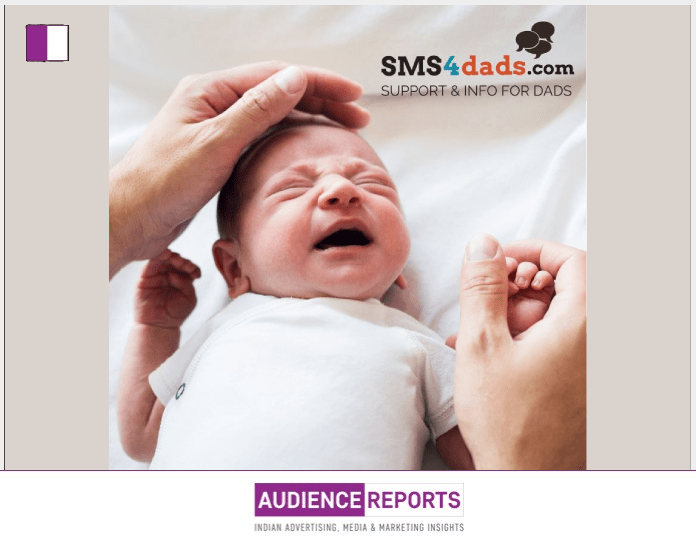
Richard Fletcher shares how the team communicates with dads not through instructions, but through the imagined “voice” of the baby. A message like, “Sometimes when I cry, I just want to be held,” carries empathy and simplicity. It doesn’t tell dads what to do it helps them feel connected to their child. Yet, as Richard Fletcher reveals through the feedback interviews, even the best advice does not eliminate the complex emotional reality of caring for a newborn.
Richard Fletcher brings to light the candid experiences of dads trying to cope with sleep deprivation, crying babies, and a partner who is equally exhausted. One father speaks about losing social life entirely because the responsibilities at home have taken over. Another shares how their baby only slept through contact naps for weeks, leaving both parents physically drained. A third dad describes trying repeatedly to settle the baby, only to hand the child back to mum for feeding so the little one might finally drift off.
These stories, as Richard Fletcher notes, don’t come from fathers who lack effort they come from fathers who are deeply committed yet often overwhelmed. Each quote reveals the emotional labour men take on silently, often without acknowledging the toll it takes on their own well-being.
But Richard Fletcher also emphasizes another important truth: many dads manage to develop their own strategies to support their babies and their partners. One father speaks about how his ability to remain patient depends on his emotional state. On good days, he can “weather the storm” of crying until the baby is calm. On harder days, he reminds himself that the baby is doing its best, and so is he a simple but powerful mindset shift.
Another dad shared that having the baby sleep on his side of the bed helped the whole family rest better. The baby stirred less because she couldn’t smell breast milk on him, allowing him to settle her more effectively. Richard Fletcher includes stories like these not as universal solutions, but as examples of how real dads discover what works for them.
Richard Fletcher also highlights the emotional honesty fathers bring when they say:
“Talk to your partner about how you feel… it’s cathartic.”
This reflects a willingness among dads to engage emotionally, even when they feel overwhelmed. Another father advises not to take cranky comments personally reminding dads that sometimes the baby simply needs mum, and the father’s role is to support both of them.
As Richard Fletcher points out, dads are not trying to navigate the newborn phase alone. They are not seeking to become parenting “experts,” but to be effective contributors in a team effort. When SMS4dads sent the message:
“Settling your baby is a team effort. Each member brings different skills,”
the response from fathers was enormous.
This insight, according to Richard Fletcher, confirms how deeply dads value inclusion and teamwork. It also shows that fathers want to learn from one another. When brief Dad2Dad tips were created messages based on experiences shared by other fathers the engagement skyrocketed.
For Richard Fletcher, these responses represent more than data. They show a shift in how fathers perceive their role. Modern dads are emotionally invested, eager to help, and open to sharing struggles with other dads who understand. They don’t want idealized instructions they want validation, community, and practical, real-life insights.
Richard Fletcher uses these collective voices to underscore an important lesson: fatherhood is not a solitary journey. It is shaped by collaboration, communication, and mutual support. The challenges of settling a baby, coping with sleepless nights, or managing emotional fatigue are not signs of weakness they are universal parts of becoming a parent.
In the end, Richard Fletcher reminds us that the power of the Dad2Dad approach lies in authenticity. Fathers learn best not from perfection, but from honest, lived experience. The more they share, the more they help each other navigate the unpredictable world of newborn care.
Through his work, Richard Fletcher continues to amplify these voices, ensuring that every father knows he is not alone, his struggles are normal, and his contribution is invaluable.