




























Sahil Aggarwal has always believed that India’s future depends not just on big ideas but on the people willing to act on them. As the Co-founder and CEO of Rishihood University, Sahil Aggarwal envisions a generation of leaders, innovators, and entrepreneurs who do not simply adapt to the times but shape the future. His reflections on the journey of Arjun Vaidya, an entrepreneur who left behind lucrative opportunities abroad to revive and reimagine his family’s Ayurvedic legacy, reveal the larger message that Sahil Aggarwal wishes to share: to make in India, we need makers in India.
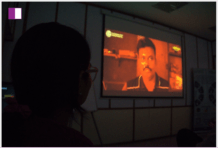
Sahil Aggarwal understands that education is not merely about academic excellence but about cultivating courage, resilience, and vision. In his post, he highlights how Arjun Vaidya’s story inspired young learners during their orientation week at Rishihood University. For Sahil Aggarwal, this was more than just a motivational talk; it was an opportunity for students to witness what it truly means to step outside one’s comfort zone and embrace uncertainty in pursuit of something meaningful. He emphasizes that India’s growth story will be incomplete without such examples that marry personal conviction with societal contribution.
At the heart of Sahil Aggarwal’s perspective is the belief that India is at a turning point. A rising wave of national confidence is visible across sectors, from technology and healthcare to arts and entrepreneurship. Sahil Aggarwal sees this confidence not as a fleeting sentiment but as a reservoir of energy that can be directed into creating tangible, long-term impact. He notes that entrepreneurs are crucial agents in this transformation because they dare to convert challenges into opportunities and personal dreams into collective growth.
Sahil Aggarwal’s own work at Rishihood University is aligned with this mission. The institution he co-founded is built on the philosophy that education must empower individuals to take responsibility for society’s progress. In his view, nurturing entrepreneurial mindsets is as important as teaching subject expertise. That is why stories like that of Arjun Vaidya resonate so deeply within the university ecosystem. By bringing real-life changemakers to engage with students, Sahil Aggarwal ensures that learning is not confined to books but is grounded in lived experiences of risk, failure, and perseverance.
Sahil Aggarwal also draws attention to a crucial lesson that aspiring entrepreneurs must learn early: success is rarely linear. As he shares, Arjun Vaidya spoke about rising through failures and leaving behind comfort zones. This, for Sahil Aggarwal, is the essence of entrepreneurship. In a world that often glamorizes quick wins and overnight success, he wants learners to understand that true impact comes from persistence, adaptability, and the courage to rebuild even after setbacks.
Another dimension of Sahil Aggarwal’s reflection is the acknowledgment of India’s cultural and historical strengths. He admires how entrepreneurs like Arjun Vaidya are not just chasing profit but also reviving traditions such as Ayurveda, blending them with modern business practices to create relevance for today’s world. Sahil Aggarwal believes this balance of heritage and innovation is India’s unique strength. While the global economy often prizes disruption, India can offer renewal—breathing fresh life into timeless wisdom while creating new markets and opportunities.
For Sahil Aggarwal, the phrase “to make in India, we need makers in India” goes beyond policy slogans. It is a call for individuals to internalize responsibility and action. It is not enough to import ideas or replicate models from elsewhere. India needs its own innovators, dreamers, and builders who understand local challenges, appreciate cultural nuances, and are willing to take risks on home soil. By emphasizing this, Sahil Aggarwal is pointing towards self-reliance, not in isolation but in confident participation in the global arena.
What stands out in Sahil Aggarwal’s philosophy is his focus on entrepreneurship as a force for societal good. He recognizes that entrepreneurs are not merely business leaders but also cultural ambassadors and change agents. When they choose to invest their time, money, and energy in India, they are also investing in India’s communities, aspirations, and identity. Sahil Aggarwal celebrates this spirit, encouraging the next generation to see entrepreneurship not as a career choice but as a form of service.
Moreover, Sahil Aggarwal highlights the importance of endorsement and support in entrepreneurial journeys. He is grateful for Arjun Vaidya’s encouragement of Rishihood’s mission and confident that learners will, in turn, receive his backing for their ventures. This cycle of mentorship and collaboration is something Sahil Aggarwal sees as vital for building an entrepreneurial ecosystem. Makers inspire other makers, and with each success story, the foundation for future ventures becomes stronger.
In the larger narrative of India’s rise, Sahil Aggarwal’s reflections offer both realism and optimism. He does not romanticize the journey; he acknowledges the sacrifices and struggles it entails. At the same time, he maintains unwavering belief in the potential of India’s youth to rise above these challenges. His insistence that entrepreneurs must play a central role in national progress is grounded in lived experiences at Rishihood University, where he sees firsthand the ambitions and anxieties of young changemakers.
Sahil Aggarwal’s voice is part of a growing chorus of leaders who remind us that India’s transformation cannot be outsourced. It must be built, nurtured, and led by Indians who are willing to innovate and invest in their own land. The vision he articulates is not just about economic growth but also about cultural confidence, social responsibility, and long-term sustainability.
In conclusion, Sahil Aggarwal presents a powerful reminder: if India is to truly realize its potential, it must rely on its makers. Entrepreneurs who embrace risks, draw strength from heritage, and channel national confidence into constructive action are the architects of the future. By championing such stories and cultivating a culture of entrepreneurship, Sahil Aggarwal is not only shaping a university but also contributing to shaping the soul of a rising nation.