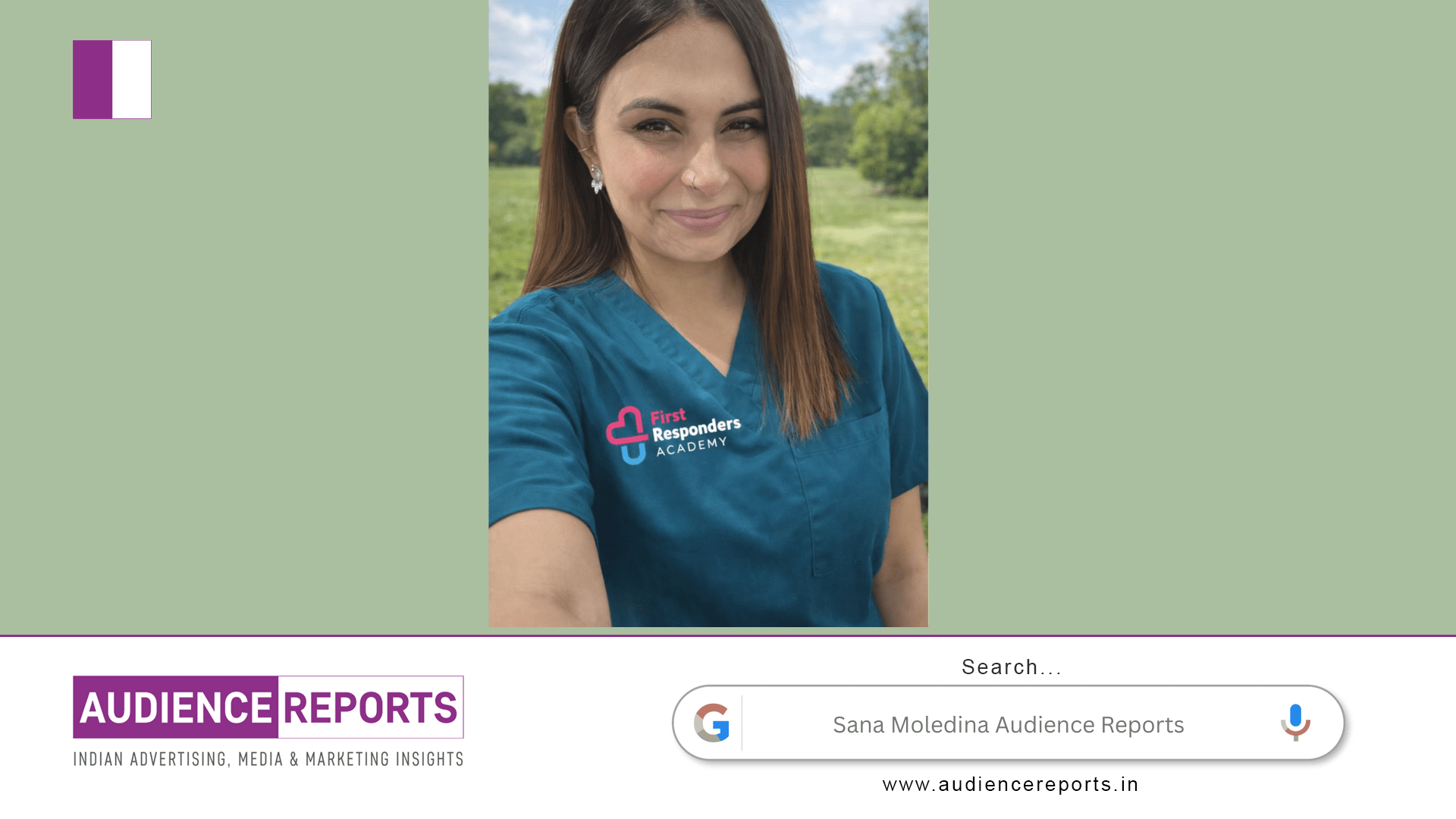
Sana Moledina did not build First Responders Academy around spectacle or slogans. She built it around moments that matter. The kind of moments that happen without warning, when a child stops breathing, when an elderly parent collapses, when a pet is injured and panic takes over. Sana Moledina understands that emergencies are not dramatic scenes from television. They are real, ordinary, and deeply human. And in those moments, knowledge becomes courage. At the heart of Sana Moledina’s work is a simple belief: first aid should not feel intimidating. It should feel possible. As a nurse and educator, she has seen how quickly fear can replace action. People freeze, not because they do not care, but because they are unsure. Sana Moledina created First Responders Academy to close that gap between concern and confidence. Her approach does not romanticize emergencies. It prepares people for them. What makes her vision grounded is that it begins with everyday life. Parents. Carers. Students. Educators. Community members. Sana Moledina does not define “first responder” by uniform or profession. She defines it by presence. Anyone who is there in a critical moment becomes the first responder. That reframing changes everything. It turns helplessness into responsibility and fear into readiness. In her post, Sana Moledina speaks about building confidence, removing fear, and helping everyday people step up in an emergency. These are not abstract goals. They are outcomes shaped by experience. A choking infant. An aging parent who falls. A pet in distress. These are scenarios that do not wait for professionals to arrive. They demand immediate action. Sana Moledina teaches that action does not have to be perfect, it just has to begin. Her upcoming programs reflect this philosophy. Mums & Bubs First Aid sessions focus on baby and child emergencies in a relaxed environment. This matters because anxiety often prevents learning. When people feel judged or overwhelmed, they shut down. Sana Moledina designs spaces where questions are welcome and mistakes become part of learning. It is a quiet shift, but a powerful one. It tells parents that preparedness is not about being fearless, it is about being informed. The Carer First Aid sessions acknowledge a reality many families face but rarely discuss. Caring for aging parents comes with emotional weight and uncertainty. Emergencies involving elders can feel especially frightening because the stakes are personal. Sana Moledina addresses this not by dramatizing it, but by making it practical. She equips carers with skills that respect both vulnerability and dignity. Even Animal First Aid fits naturally into this framework. Pets are family. Their emergencies can feel just as urgent, just as destabilizing. By including them, Sana Moledina broadens the idea of care. Preparedness becomes a way of honoring all the lives we are responsible for. What stands out is how Sana Moledina positions learning as empowerment rather than obligation. There is no pressure in her language, no alarmism. Instead, there is an invitation: “You belong here.” That sentence carries weight. It tells people they do not need to be experts to participate. They only need to care enough to learn. Sana Moledina’s journey is not about building a brand. It is about building capacity within communities. Her collaborations with early learning centers and community organizations point to something larger than individual courses. They signal a shift toward collective readiness. When knowledge spreads through communities, resilience becomes shared. In a world that often reacts after crises, Sana Moledina works quietly before they happen. She does not wait for headlines. She prepares people for the unremarkable moments that suddenly become critical. That work rarely goes viral. It does not trend. But it changes outcomes. The significance of Sana Moledina’s approach lies in its humility. She does not promise heroism. She promises readiness. She does not frame emergencies as tests of bravery. She frames them as situations where calm action can be learned. This removes the myth that only “certain people” can respond effectively. Sana Moledina reminds us that preparedness is not a personality trait. It is a skill. And skills can be taught. Her message resonates because it aligns with reality. Emergencies do not ask if we are ready. They simply arrive. In those moments, the difference between panic and purpose often comes down to one thing: prior learning. By making that learning accessible, practical, and human, Sana Moledina reshapes what safety looks like. There is a quiet courage in choosing this path. Teaching first aid is not glamorous. It requires patience, repetition, and emotional awareness. It means meeting people where they are, including in their fears. Sana Moledina does this work not to be seen, but so others can act when it matters. As First Responders Academy grows, the ripple effect becomes clear. Each trained parent, carer, student, or community member carries forward a piece of preparedness. Each one becomes a potential anchor in someone else’s worst moment. Sana Moledina’s journey is a reminder that impact does not always roar. Sometimes it teaches. Sometimes it reassures. Sometimes it simply says, “You can handle this.” And in that belief, communities become safer.