





















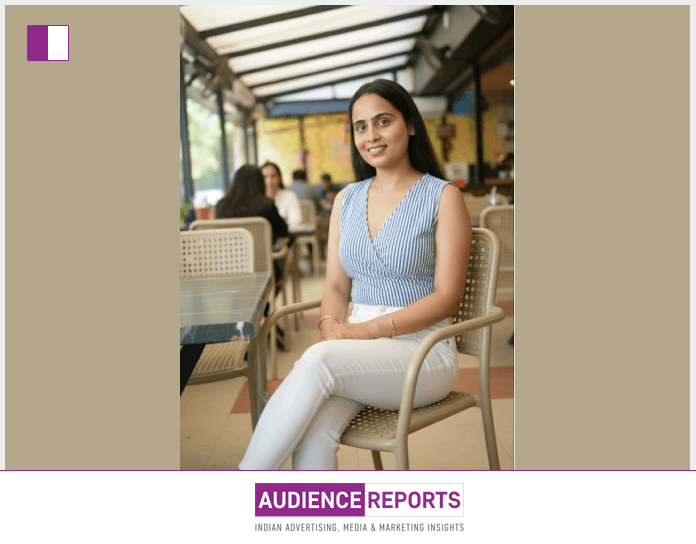
Sanskriti Thapliyal has spent the last two years diving deep into the ways professionals present themselves on LinkedIn. As a Personal Branding Strategist, she has audited more than a hundred profiles, identifying patterns that separate impactful voices from unnoticed ones. Her insights reveal a common struggle: many people are active on the platform, sending messages and connecting with hundreds of users, yet they fail to create meaningful influence.
In one recent audit, Sanskriti Thapliyal worked with an executive coach who was frustrated with low results despite sending fifty cold messages daily. The coach had two thousand followers, but very few meaningful connections. What struck Sanskriti Thapliyal was the absence of consistent content, clear authority, and a narrative that showcased credibility. Without these pillars, outreach efforts turned into noise rather than impact.

This scenario is not unique. Sanskriti Thapliyal highlights a crucial truth LinkedIn success is not about numbers alone. Two thousand connections are of little use if most of them are vague or disengaged. Outreach without authority often feels hollow, no matter how polished the message appears. People may read, but they won’t trust, because there is no visible proof of expertise or consistency.
For Sanskriti Thapliyal, authority on LinkedIn is built, not borrowed. It doesn’t come from simply sending requests or drafting perfect pitches; it comes from showing up with content, positioning yourself as trustworthy, and aligning with the right network. Authority is the magnet that pulls people in, reducing the need for constant chasing.
When she speaks of “creating gravity,” Sanskriti Thapliyal refers to three essential dimensions. The first is building reach through content. Without visibility, even the most skilled professionals remain hidden. Posting consistently allows one’s voice to spread beyond immediate circles, giving others a reason to connect. The second dimension is trust through meaningful connections. It is not about collecting thousands of names but about engaging with people who align with your vision and industry. The third is sharing social proof demonstrating outcomes, testimonials, collaborations, or tangible results that reinforce your expertise.
Sanskriti Thapliyal reminds us that credibility is not declared; it is demonstrated. A well-written headline or polished summary cannot replace the authority that emerges from real contributions. When warm leads hesitate, it’s usually because they see no evidence of consistency, no trail of thought leadership, and no stories that prove capability. In such cases, outreach may sound professional, but it won’t feel persuasive.
The larger message Sanskriti Thapliyal offers is that LinkedIn should not be approached as a transaction platform. It is, at its core, a stage for distribution of ideas and authority. Executives, coaches, and leaders who want to generate results must learn to position themselves strategically rather than mechanically sending messages into the void. The more one demonstrates expertise through content and authentic presence, the less one has to push hard for attention.
Another striking point that Sanskriti Thapliyal emphasizes is the value of narrative authority. A profile is not just a resume; it is a living brand story. When that story is unclear, disjointed, or invisible, even genuine capabilities go unnoticed. By shaping a coherent narrative, professionals allow their audience to understand who they are, what they stand for, and why they can be trusted.
Over the years, Sanskriti Thapliyal has seen many professionals underestimate the power of this alignment. They focus heavily on outreach metrics messages sent, connections added while neglecting the silent influence of credibility. She challenges them to pause and ask: “Would I trust someone with no visible track record, no consistent voice, and no engaged network?” The answer usually explains why results are missing.
What makes Sanskriti Thapliyal’s perspective practical is that she doesn’t stop at diagnosing problems; she provides a roadmap. Her call to action for professionals is straightforward: build distribution through content, create authority through positioning, and show proof through achievements. These steps may not yield overnight results, but they create a sustainable brand presence that pays off long-term.
In sharing her own journey, Sanskriti Thapliyal also opens opportunities for those serious about transformation. She offers personalized audits and structured roadmaps that guide individuals through ninety days of intentional branding. Her approach is not about quick hacks but about reshaping how professionals are perceived, ensuring that outreach efforts are backed by credibility.
Ultimately, Sanskriti Thapliyal’s message resonates because it reframes the purpose of LinkedIn. It is not a platform to desperately chase leads but a space to build authority so that opportunities naturally flow in. Professionals who embrace this shift move from being unnoticed voices to trusted authorities in their fields.
Sanskriti Thapliyal shows that authority is the difference between chasing results and attracting them. By creating gravity through content, trust, and social proof, she encourages leaders to invest in building their presence with intention. For anyone struggling with outreach fatigue, her insights offer not just advice but a direction: stop pushing harder and start building stronger.