



























Sarang Bobade, the Co-Founder & CEO of DonateKart, recently stepped into one of India’s darkest and most hidden realities the brothels of Budhwar Peth in Pune. Known as one of the country’s largest red-light areas, this maze of narrow lanes is not just a space of commerce, but a web of suffering, survival, and silent endurance. Sarang Bobade’s visit was not a ceremonial walk-through. It was an intentional, immersive experience to understand the lives that society often refuses to see lives of women trafficked, exploited, and entrapped in a system designed to profit from their vulnerability.
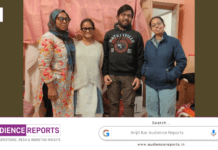
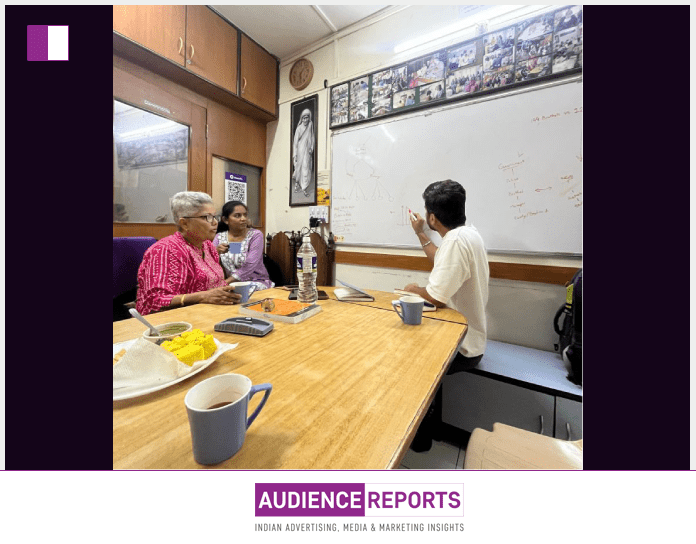
Sarang Bobade was guided by Seema Tai, a courageous social activist who has spent over three decades working within Budhwar Peth. Her work spans legal advocacy, health interventions, and building a sense of identity and voice for the women trapped there. With her guidance, Sarang Bobade moved through the gullies, observing firsthand the layers of makeup and flickering lights that attempt to conceal systemic injustice. He described women from Maharashtra, Nepal, and Bangladesh, many sold for ₹5–10 lakhs and forced into sex work under threat and debt.
In brothels where space barely exceeds 6×4 feet, each woman sees an average of 8–10 clients daily. Their earnings, a meager ₹500 per visit, are split in half leaving them with a daily fight not only for dignity but survival. Sarang Bobade was particularly disturbed by the sight of young men, many intoxicated and under 22, treating these encounters as casual entertainment, never acknowledging the trauma stitched into every wall of those cabins.
Sarang Bobade noted how mothers pass their babies to others when a client arrives. He met girls as young as 18 and women as old as 70 still working, still waiting, still hoping. Most sleep less than four hours a day. Their only way out? Paying off their debt a number that grows each day rather than shrinks.
But Sarang Bobade’s story does not end in despair. What he witnessed in Budhwar Peth was only one side of the narrative. The other is being written every day by Seema Tai and her team and now, by Sarang Bobade and DonateKart.
Through DonateKart’s recent campaign, ₹1.3 crore was raised to support several critical interventions. These include health check-ups for HIV and TB, legal support, counselling, and livelihood training for women in the trade. But perhaps the most heartening aspect for Sarang Bobade was the work being done for the children of sex workers.
Away from the chaos of Budhwar Peth, in Baramati, stands a 5-acre shelter home. Here, children are given access to education, food, emotional support, and a clean environment far from the trauma their mothers have endured. Sarang Bobade shared that this shelter is more than just a building; it is a statement a declaration that every child deserves a chance to grow up with dignity, hope, and opportunity.
What distinguishes Sarang Bobade’s approach is his willingness to go beyond financial aid. His field visits are not about checking boxes or taking pictures. They are about learning deeply, empathetically, and honestly. He believes that to create true impact, one must walk into the spaces they wish to change. And through this journey, Sarang Bobade is not only supporting change but absorbing wisdom from those leading it.
One of the most radical aspects of Seema Tai’s NGO and a point that Sarang Bobade emphasizes is its leadership model. Former and current sex workers serve on the Board of Directors. This is not just symbolism; it is structural empowerment. By giving decision-making power to the very women most affected, the NGO acknowledges that real change must be authored by those who have lived the reality. Sarang Bobade calls this one of the most inspiring models he has seen, and it challenges traditional top-down charity structures that often alienate the very people they intend to serve.
Throughout his reflection, Sarang Bobade reiterates the importance of gratitude not just for the activists doing the work, but for the donors and supporters of DonateKart who make these missions possible. It is this intersection of grassroots effort and large-scale support that gives these initiatives strength and continuity.
Sarang Bobade’s journey into Budhwar Peth is a reminder that leadership in the nonprofit world isn’t just about strategy and funding. It’s about proximity about being close enough to understand the pain, the patterns, and the potential. It’s about listening before acting, and observing without judgment. It’s about having the courage to walk into spaces society avoids and emerging with insights that can shape policy, funding, and community-level transformation.
In an era where social impact is often reduced to metrics and media presence, Sarang Bobade offers a different lens one where change is intimate, uncomfortable, and rooted in human connection. His experience in Budhwar Peth is not a one-time revelation but part of his continuous commitment to understanding the lived experiences of the marginalized.
Sarang Bobade reminds us that behind every statistic is a story, behind every intervention is a life, and behind every act of giving is a shared hope for a better tomorrow. Through his work with DonateKart, and his decision to be present in even the darkest corners of our society, Sarang Bobade is helping us not only see the truth but care enough to change it.