

















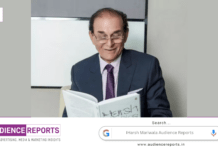








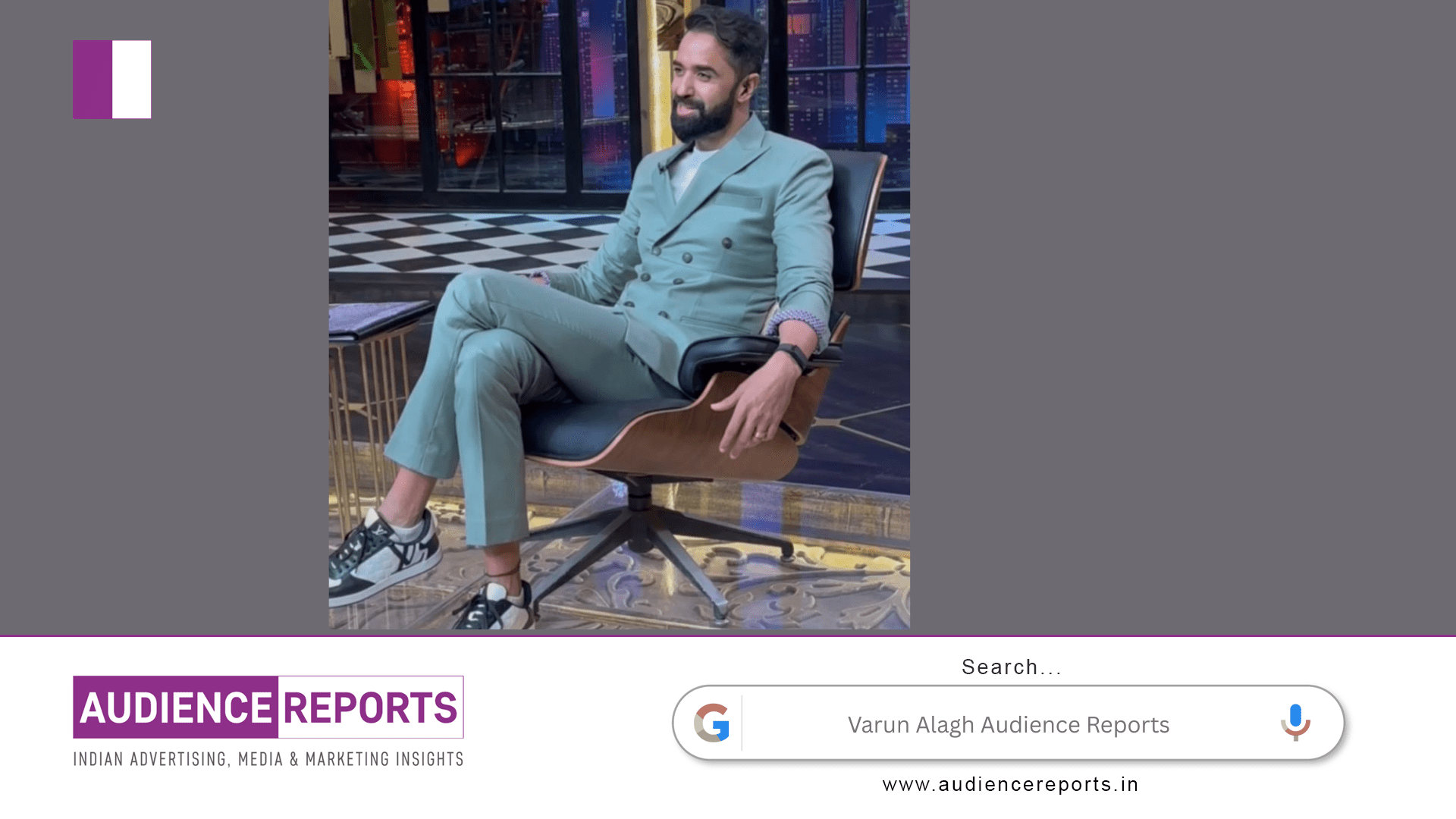
Varun Alagh stepped into a moment of reflection that many leaders avoid. Varun Alagh didn’t talk about valuation, exits, or wins. Varun Alagh spoke about two founders standing at different edges of the same mountain. One had already found product–market fit and was ready to scale. The other was still digging through uncertainty, trying to understand if the ground beneath him would hold. In that contrast, Varun Alagh saw something deeper, not about business stages, but about what founders actually need at different points of their journey.
Entrepreneurship often gets packaged as a single arc: idea, struggle, breakthrough, scale. Reality is less linear. Varun Alagh’s post shows that growth is uneven. Some founders arrive at clarity early and then wrestle with expansion. Others carry conviction for years before the market responds. Both paths are valid. Both are exhausting in different ways.
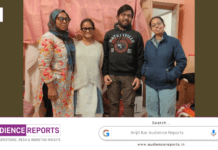
When Varun Alagh describes Ritoban Chakrabarti, he sees a founder who has crossed a critical threshold. Product–market fit changes everything. It transforms effort into momentum. At that stage, risk feels purposeful. Decisions have feedback loops. Wins reinforce belief. Varun Alagh recognizes this phase because he has lived it. This is where founders need access, distribution, strategy, leverage. The work becomes about amplifying something that already works.
But Sahib Aggarwal’s stage is more fragile. The idea exists. The problem is real. The solution is promising. Yet the market hasn’t confirmed it. This is the phase no one glamorizes. It involves cold calls, awkward demos, uncomfortable feedback, repeated pivots. It demands emotional stamina more than tactical skill. Varun Alagh acknowledges that this stage is defined by grunt work and doubt.
What makes Varun Alagh’s reflection meaningful is not the contrast between these founders. It is the realization about himself. He admits that, as an investor and mentor, he defaulted to risk management instead of presence. He saw the uncertainty and hesitated. Only later did he recognize that this was the moment when a founder needed belief more than caution.
This is a rare admission. Varun Alagh doesn’t frame it as a heroic awakening. He frames it as a learning. He realizes that some founders don’t need a gatekeeper. They need a collaborator. Someone willing to sit in ambiguity with them. Someone who says, “Let’s try again,” instead of “Come back when it’s clearer.”
Varun Alagh’s insight reaches beyond Shark Tank. It applies to every ecosystem that claims to support builders. We often celebrate certainty. We reward traction. We invest in what already looks like a win. But innovation rarely begins that way. Most meaningful companies start in confusion. The early founder is not looking for validation. They are looking for resonance. They want someone to think with them, not judge them.
Varun Alagh highlights a tension that many leaders face: the balance between protecting resources and nurturing potential. It is easier to engage when the path is visible. It is harder when the map is blank. Yet that is exactly when guidance matters most. The founder who has not found PMF yet is not failing. They are still searching. They are still learning the language of their market.
By publicly acknowledging this, Varun Alagh reframes mentorship. He shows that support is not only about capital or strategy. It is about emotional risk. Being willing to believe before proof arrives. Being willing to invest time in uncertainty.
Varun Alagh’s message to Sahib is simple: “If you’re open, come meet me.” It is not a promise of success. It is an offer of partnership in exploration. That matters. It tells every early-stage founder that their phase is not inferior. It is simply earlier.
For aspiring entrepreneurs, Varun Alagh’s reflection carries a quiet reassurance. If you are still calling customers one by one, still tweaking your product, still unsure whether you have something real, you are not behind. You are in the part that builds truth. You are in the phase that teaches you what no course can.
For investors and mentors, Varun Alagh offers a mirror. Are you only excited by momentum? Or are you willing to stand beside someone who is still searching? The future rarely looks impressive in its first draft.
Varun Alagh reminds us that every scaled company once stood in uncertainty. Every confident founder once asked basic questions. The difference was not talent alone. It was persistence, feedback, and often, someone who stayed when nothing was guaranteed.
Entrepreneurship is not just about building products. It is about building belief, first in yourself, and sometimes, in someone else. Varun Alagh’s lesson is that timing matters, and so does empathy.
Some founders need doors opened. Others need someone to walk with them in the dark.
Both are part of the same journey.