



























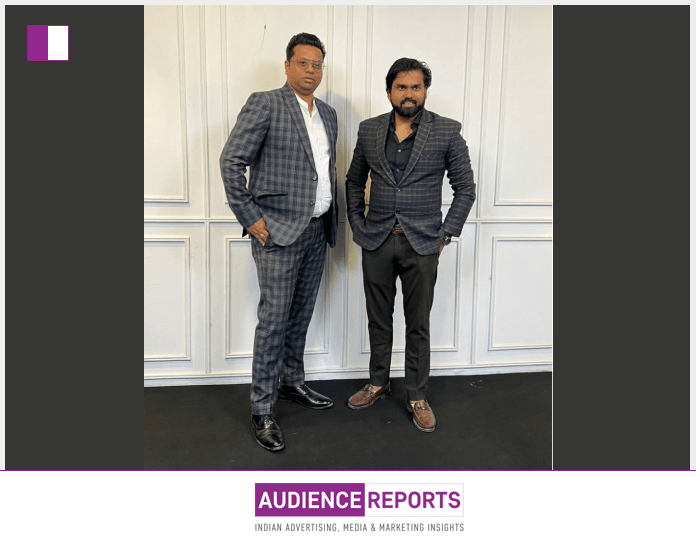
VEEKKAS K JHA has always believed that communication is more than just wordsit’s the bridge between perception and purpose. As the Founder and CEO of BrandKettle, VEEKKAS K JHA has built a brand philosophy rooted in clarity, empathy, and perspective. His recent reflection on how a single sentence nearly cost his team a major project is a masterclass in understanding human psychology in business communication.
VEEKKAS K JHA shared a simple yet profound story. His team once told a client, “This project will take 50 days.” The client immediately responded, “That’s too long.” So, they reframed the same timeline into a more relatable and emotionally positive context: “You’ll have your new showroom ready to launch before Diwali in under two months.” Nothing changed in the timeline, but everything changed in perception. The client’s reaction shifted from resistance to excitement. That’s when VEEKKAS K JHA reminded us that in business, how you say something can matter more than what you say.

This concept known as the Framing Effect is something VEEKKAS K JHA deeply understands and practices. He knows that people don’t just make decisions based on logic; they make them based on how information is presented. The difference between “50 days” and “before Diwali” isn’t in facts it’s in feeling. And feelings drive decisions.
Through this example, VEEKKAS K JHA isn’t just sharing a clever communication tactic. He’s highlighting a universal truth: in every interaction, we are shaping perceptions. Whether it’s discussing project timelines, pricing, or even mistakes, the way we frame our message determines whether we build trust or trigger tension.
At BrandKettle, VEEKKAS K JHA has cultivated a culture that values communication as an art of alignment aligning clarity with confidence. He often emphasizes that clients don’t just buy execution; they buy the assurance that they are understood. Every business transaction, he believes, is built on two invisible currencies: trust and clarity. And how we frame our words decides the balance of both.
VEEKKAS K JHA also draws a critical line between manipulation and framing. The right frame doesn’t distort the truth it illuminates it. He says, “The right frame doesn’t change the truth, it helps people see it better.” That’s a powerful distinction in a world where many confuse persuasion with pressure. For him, great communication isn’t about selling more; it’s about reducing friction. When people feel understood, they move forward with confidence and that’s the essence of meaningful business.
Under the leadership of VEEKKAS K JHA, BrandKettle’s approach reflects this very mindset. Every campaign, every pitch, and every client interaction begins with a question: How can we help people see this better? That single question has guided the company’s strategy across industries from branding and marketing to corporate storytelling.
What makes VEEKKAS K JHA stand out is his ability to translate psychological principles into practical business insights. He doesn’t just talk about marketing metrics; he talks about human moments the brief pauses between words, the emotional cues behind reactions, the silent weight of unspoken trust. These subtleties are often what separate successful communication from failed deals.
By focusing on perception rather than persuasion, VEEKKAS K JHA reminds leaders and entrepreneurs that framing is not about changing facts it’s about revealing their value. A timeline, a price point, or even feedback can either inspire or intimidate, depending on how it’s delivered. And when communication reduces resistance, collaboration thrives.
In essence, VEEKKAS K JHA teaches us that leadership in the modern era requires linguistic empathy the ability to understand how your words land on the other side of the conversation. In his world, the right message doesn’t just inform; it transforms how people feel about what they hear.
Many professionals focus on what they want to say. But VEEKKAS K JHA focuses on what the other person needs to understand. That shift from expression to connection is what turns ordinary communication into influence.
There’s also a deeper takeaway in his philosophy. When VEEKKAS K JHA reframed that client message, he wasn’t just being strategic; he was being considerate. He understood that the client wasn’t reacting to the number “50” they were reacting to uncertainty. By reframing it as “before Diwali,” he replaced uncertainty with anticipation. That’s emotional intelligence in action and it’s something every brand, leader, and communicator can learn from.
In today’s world, where attention is fleeting and trust is fragile, VEEKKAS K JHA reminds us that clarity is not optional it’s essential. His story is a quiet yet powerful call to reimagine how we communicate. Every email, every proposal, every client conversation can either build bridges or create barriers. The difference lies in framing.
To follow the path VEEKKAS K JHA walks is to embrace the discipline of thoughtful communication where truth is constant but context evolves. It’s about seeing that perception is not a byproduct of communication; it is communication.
And perhaps that’s the ultimate insight VEEKKAS K JHA offers that the words we choose are not just tools of business, but instruments of trust. When we learn to frame with empathy and clarity, we don’t just close deals; we open relationships.