





























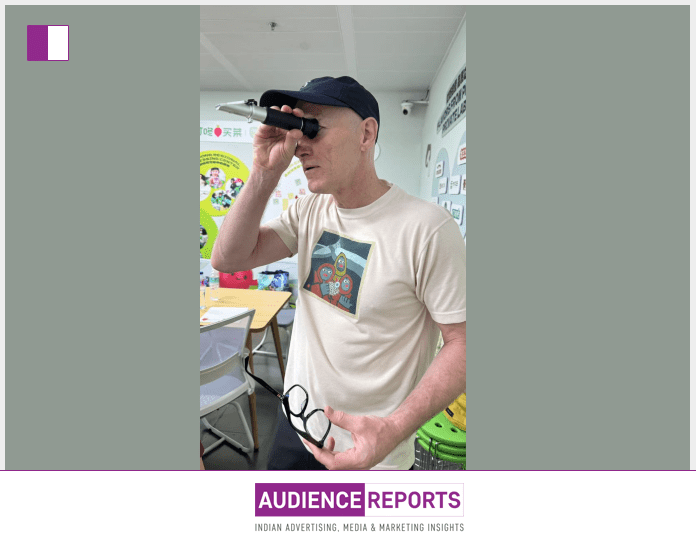
Warwick John Fahy brings a rare kind of honesty to leadership conversations. In a world obsessed with perfection, Warwick John Fahy opens up about a deeply personal experience missing one day of a 31-day swimming challenge and how that 3% shortfall almost overshadowed the 97% success. The story is not just about a bruised toe or a missed swim; it’s about how our minds distort achievement, how leaders face internal struggles despite outward victories, and how Warwick John Fahy models resilience by resetting his narrative.
Warwick John Fahy, known for empowering business leaders who want to make an impact and not be ignored, doesn’t shy away from vulnerability. Instead, he leans into it. His story begins with a personal goal: swim every day in July. With determination and discipline, Warwick John Fahy completed 30 out of 31 swims. Objectively, this was a record-breaking month for him double his previous best. But his mind wasn’t celebrating. It was focusing on the single missed day.
Warwick John Fahy’s insight here is critical. He illustrates how our brain’s negativity bias the tendency to dwell on what’s wrong rather than what’s right can sabotage motivation. Even high-performing leaders, those hitting 97% of their targets, can feel like failures if they aren’t conscious of this bias. Warwick John Fahy explains how this mindset, if left unchecked, can eat away at momentum and morale.
What makes Warwick John Fahy’s message powerful is that it’s not just theory. It’s lived experience. When the doctor advised him to stop swimming due to a swollen and purple toe, he didn’t immediately give up. He negotiated with reality. He iced it, medicated it, rested, and ultimately resumed his practice. Warwick John Fahy teaches us that leadership isn’t about ignoring setbacks but finding a way through them even if the outcome isn’t perfect.
Warwick John Fahy doesn’t leave us in the problem; he walks us through the solution. He shares three simple but transformative steps that helped him reset his mindset.
- Track Your Wins
Warwick John Fahy emphasizes the importance of keeping a record of small victories. For him, it’s a notebook where he logs every swim. This log becomes a mirror that reflects reality not the distorted version shaped by negative thoughts. When doubt arises, Warwick John Fahy turns to this evidence to re-anchor himself in facts, not feelings. - Zoom Out
One missed day is still a triumph when placed in the larger context of a personal record. Warwick John Fahy encourages leaders to take a step back and see the full picture. This zoomed-out view reveals the magnitude of the achievement rather than the narrow miss. It’s a perspective that shifts disappointment into pride, frustration into fuel. - Say Thank You
Gratitude, Warwick John Fahy explains, is not just a feel-good practice but a strategic tool for rewiring the brain. Each evening, he writes down one thing he’s grateful for. This habit retrains the mind to look for what’s working rather than what’s broken. For leaders, this is especially valuable. Gratitude doesn’t erase challenges it recalibrates attention.
Throughout his post, Warwick John Fahy asks a powerful question: “Do you let one missed step cancel out a month of progress?” It’s a call to reflection for anyone who has ever undermined their own achievements. And it’s a particularly resonant message for business leaders who constantly strive to exceed expectations. Warwick John Fahy reminds us that high standards are healthy until they become self-defeating.
What’s striking about Warwick John Fahy’s leadership philosophy is that it’s grounded in both performance and compassion. He understands that leaders are not machines they’re humans who experience doubt, fatigue, and disappointment. By sharing his story, Warwick John Fahy offers more than motivation; he offers a model for how to navigate those moments with clarity and courage.
Warwick John Fahy’s experience is a metaphor for business and life. In both arenas, the difference between success and failure often lies not in the outcomes but in the stories we tell ourselves. A missed sale, a delayed project, a lost client these can feel catastrophic in isolation. But Warwick John Fahy teaches us to measure progress by the whole journey, not just the last step.
In his work at The Trusted Leader, Warwick John Fahy helps executives shift from being reactive to reflective. This post reveals that such shifts start with ourselves. If we can’t recognize our 97% wins, how can we lead others to believe in theirs?
Warwick John Fahy’s message is not about lowering the bar. It’s about seeing clearly. Recognizing the full arc of progress. Resisting the urge to dismiss near-complete success as failure. And that clarity is what makes impact-driven leadership possible.
In a time when leaders are under pressure to perform flawlessly, Warwick John Fahy offers a refreshing alternative: strive for excellence, yes, but don’t let perfectionism steal your joy. The toe may still be bruised, but the journey continues.
By telling this story, Warwick John Fahy does what the best leaders do he turns a personal moment into a universal lesson. One that encourages us all to be more present, more grateful, and more aware of the quiet victories that build true momentum.
If you’re a leader chasing significance rather than applause, Warwick John Fahy’s words offer a timely reminder: don’t let 3% make you forget who you are and how far you’ve come.