

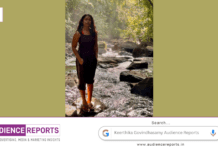






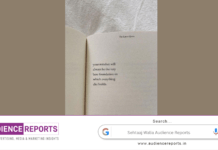























Aarthi Nageswaran reminds us that some of the most meaningful moments in a career do not arrive with applause, awards, or formal recognition. They happen quietly, often unnoticed, during ordinary conversations. Her reflection on moving from being the person asking questions to becoming the person answering them captures a transition that many professionals experience but rarely stop to appreciate. It is a reminder that growth is not always visible from the outside. Sometimes it is reflected in the confidence to guide others through experiences that once felt unfamiliar.
Every professional remembers the uncertainty of joining a new workplace. New faces, unfamiliar systems, different communication styles, and countless unwritten rules can make even experienced individuals feel like beginners. Aarthi Nageswaran highlights this reality by recalling how she carefully observed her surroundings, trying to understand who handled different responsibilities, how meetings were conducted, and whom to approach for guidance. These are universal experiences that shape the early days of every career journey.
The first few weeks in a new role are often filled with questions. Some questions seem simple, while others feel overwhelming because everything is unfamiliar. Aarthi Nageswaran explains that these questions eventually became second nature without her even realizing it. This gradual transformation reflects an important truth about professional development: expertise often develops quietly through consistent learning, observation, and practice rather than through dramatic breakthroughs.
One of the most meaningful moments in Aarthi Nageswaran ‘s experience came when she found herself explaining a process to a newly joined colleague. During that conversation, she recognized that she was answering the very questions she had once asked herself. This realization was not accompanied by a promotion or public acknowledgment. Instead, it served as a personal reminder that she had crossed an invisible milestone. Such moments demonstrate that professional maturity is often measured by our ability to support others rather than simply completing our own responsibilities.
The workplace is built on shared knowledge. Every experienced employee was once a newcomer seeking guidance. Aarthi Nageswaran emphasizes how valuable those early interactions can be, especially when someone takes the time to answer questions patiently and make a new colleague feel comfortable. These seemingly small acts of kindness often leave lasting impressions because they reduce uncertainty and create a sense of belonging during a challenging transition.
Organizations frequently celebrate measurable achievements such as promotions, certifications, awards, and project completions. While these accomplishments deserve recognition, Aarthi Nageswaran encourages us to notice another form of success that is less visible but equally significant. Becoming someone others trust for guidance reflects accumulated knowledge, confidence, and a willingness to help others succeed. These qualities strengthen both individuals and teams.
The ability to mentor informally develops over time. It rarely appears in a job description, yet it becomes one of the most valuable contributions an employee can make. Aarthi Nageswaran demonstrates that mentorship does not always require formal programs or assigned responsibilities. Sometimes it begins with answering a simple question, explaining a process, or reassuring someone who feels uncertain during their first few weeks. These conversations often have a greater impact than people realize.
Another important message from Aarthi Nageswaran is the lasting influence of small gestures. Many professionals vividly remember the colleagues who welcomed them, answered their questions, introduced them to others, or simply took the time to check in during their first days. Those individuals may never realize how meaningful their support was, but their actions contributed significantly to someone’s confidence and sense of belonging. This illustrates how workplace culture is built through everyday interactions rather than grand initiatives alone.
Professional growth is not only about acquiring technical expertise. It also involves developing empathy, patience, and the ability to understand what newcomers are experiencing. Aarthi Nageswaran shows that remembering one’s own early challenges makes it easier to provide thoughtful guidance to others. This perspective encourages experienced employees to remain approachable and supportive instead of assuming everyone learns at the same pace.
Strong organizations recognize that knowledge sharing creates continuity. Every new employee benefits from experienced colleagues who willingly explain processes, clarify expectations, and provide encouragement. Aarthi Nageswaran highlights how these contributions help reduce the learning curve and create stronger collaboration across teams. When employees invest time in helping one another, the entire organization becomes more resilient and productive.
Leadership itself often begins long before someone receives a leadership title. Aarthi Nageswaran demonstrates that leadership can be expressed through everyday actions such as answering questions with patience, listening carefully, and helping others navigate unfamiliar situations. These quiet demonstrations of responsibility build trust and influence naturally, making them an important foundation for future leadership opportunities.
There is also an important lesson about gratitude in Aarthi Nageswaran ‘s reflection. Looking back, she remembers those who helped her during her own transition into new environments. Their willingness to offer guidance created positive memories that continue to influence her today. By choosing to support others in the same way, she contributes to a cycle of learning and encouragement that benefits future colleagues as well.
Every workplace has opportunities to create positive first impressions. A welcoming conversation, a helpful explanation, or a simple act of inclusion can make a significant difference for someone beginning a new chapter. Aarthi Nageswaran reminds us that these moments often matter far more than we realize because they help transform uncertainty into confidence.
Ultimately, Aarthi Nageswaran offers a thoughtful perspective on what meaningful career growth truly looks like. Success is not measured only by titles, years of experience, or visible achievements. It is also reflected in the ability to help others feel confident, supported, and welcomed. The transition from learner to guide happens gradually, often without recognition, but it represents one of the most rewarding milestones in any professional journey. When professionals choose to make someone else’s beginning a little easier than their own, they leave an impact that can be remembered for years, proving that the quietest moments often become the most meaningful markers of growth.