

































Padmaja R. FIAI FIA reminds us that meaningful progress rarely begins with a dramatic transformation. More often, it begins with something almost insignificant: one extra minute, one better decision, one improved process, or one small action repeated consistently. Her experience of moving from struggling to run for 30 seconds to completing a 5K in 50 minutes offers a powerful lesson that extends far beyond running. It shows how progress becomes possible when we stop demanding immediate results and start respecting incremental improvement.
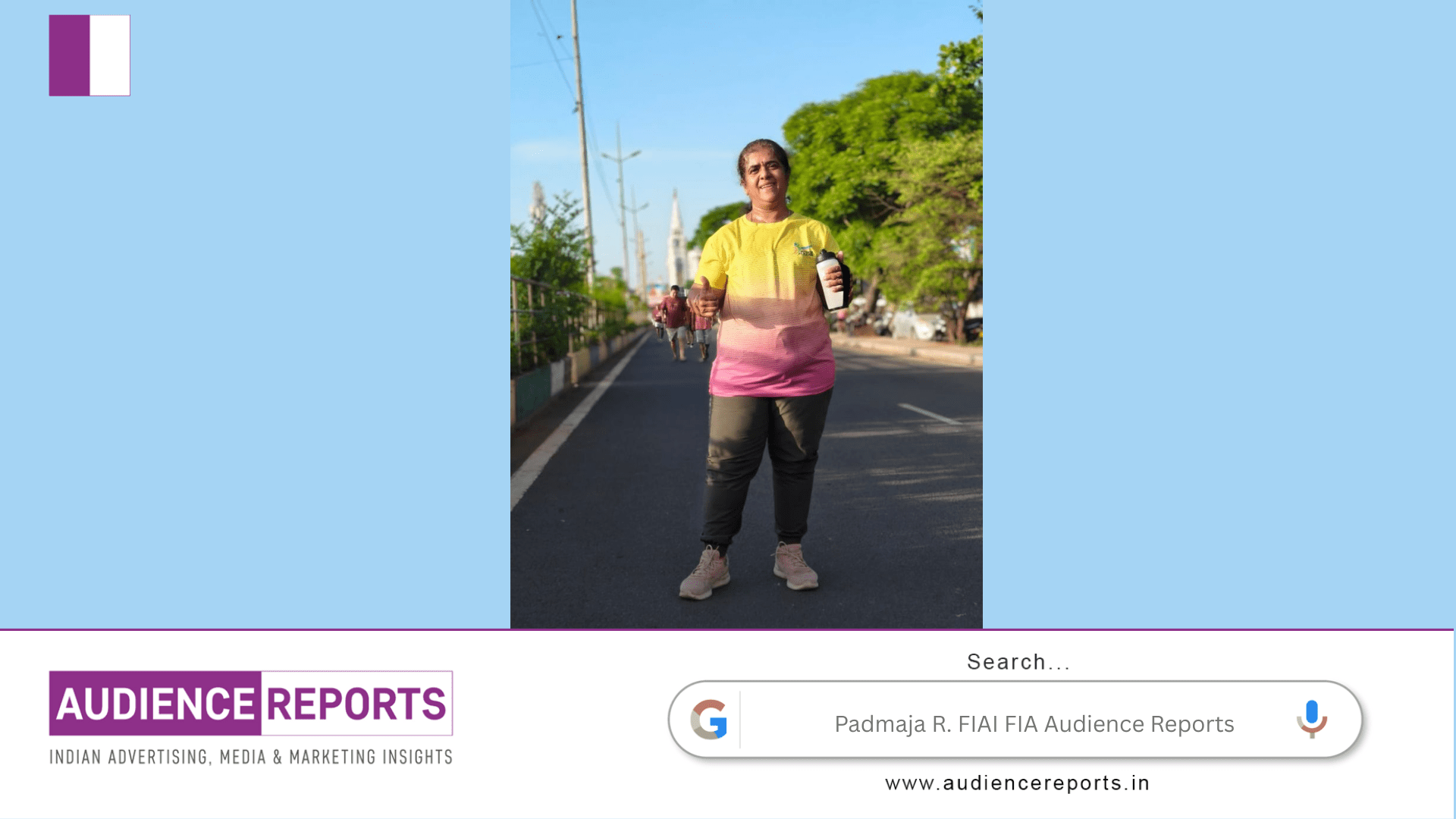
When Padmaja R. FIAI FIA began a Couch to 5K programme in April, running continuously for more than 30 seconds seemed difficult to imagine. Three months later, she completed 5K. The achievement was not about whether 50 minutes would impress an experienced runner. It was about the distance between where she started and where she eventually reached. That distinction is important because progress should be measured against the challenge we have overcome, not simply against someone else’s standard.
Padmaja R. FIAI FIA’s story demonstrates why comparison can be such a poor measure of growth. A person looking only at the final number might see a 50-minute 5K and decide that the result is ordinary. But someone who understands the starting point sees something completely different. The real achievement was not the number on the stopwatch. It was the accumulation of countless small efforts that made that number possible.
This principle applies directly to business. Padmaja R. FIAI FIA points out that organisations are often judged by large outcomes: revenue, customers, employees, market share, profitability, and growth. These numbers matter, but they rarely explain how sustainable success was actually created. Behind every major business result are hundreds or thousands of smaller decisions.
A process becomes slightly better. An employee receives better training. A recurring mistake is eliminated. A customer receives a faster response. A team removes an unnecessary step. A report becomes more accurate. A client experience improves. Individually, none of these changes may appear revolutionary. Together, however, they can reshape an organisation.
Padmaja R. FIAI FIA’s running experience gives this idea a practical dimension. The programme did not require her to wake up one morning and suddenly run 5K. It required her to do slightly more than she had done previously. Then slightly more again. The lesson is simple, but its application requires patience: sustainable growth is often built by repeatedly extending what is possible.
This is particularly relevant for entrepreneurs and business leaders who become impatient with gradual progress. Padmaja R. FIAI FIA highlights a common tendency to wait for the “big breakthrough.” Leaders may expect a major client, a dramatic revenue jump, a transformative hire, or a breakthrough strategy to change everything. Sometimes those moments happen. But building a business around the expectation of dramatic breakthroughs can distract from the quieter work that creates resilience.
Padmaja R. FIAI FIA’s message suggests another approach: make improvement a routine rather than an event. Instead of asking, “How can we transform everything this quarter?” a business can ask, “What can we improve today?” That question is less glamorous, but it is often more actionable.
Small improvements also create confidence. When a person sees evidence that yesterday’s limit is no longer today’s limit, the definition of what is possible begins to change. Padmaja R. FIAI FIA experienced that shift through running. Thirty seconds once represented a boundary. Eventually, continuous running for 50 minutes became reality. The next challenge could therefore begin from a completely different foundation.
Businesses experience the same phenomenon. A team that consistently reduces errors becomes more reliable. A company that repeatedly improves customer service develops stronger relationships. A founder who learns from each failed experiment becomes better equipped for the next decision. Progress changes not only results but also the capacity to pursue larger goals.
Padmaja R. FIAI FIA also leaves us with an important transition toward her next lesson: sometimes the hardest part is not completing the task but beginning it. The challenge of getting out of bed can be greater than the challenge of running itself. This observation connects naturally with entrepreneurship, where motivation can disappear long before responsibility does.
There will always be mornings when the goal feels distant. There will be projects that appear too large, targets that seem unrealistic, and problems that cannot be solved in one attempt. Padmaja R. FIAI FIA’s experience encourages a more manageable response: start with what is possible now.
Padmaja R. FIAI FIA does not present progress as effortless. Her story is valuable precisely because the starting point was limited and the improvement took time. The lesson is not that everyone will achieve the same result, but that consistent action can change the boundaries of what once seemed possible.
Ultimately, Padmaja R. FIAI FIA’s 5K journey is a reminder that extraordinary outcomes can have very ordinary beginnings. The first step may not feel significant. The next one may not either. But repeated enough times, those steps create distance.
Padmaja R. FIAI FIA’s lesson is therefore useful for anyone building a career, company, team, or personal discipline: stop waiting for progress to look impressive. Focus on making it real. Improve one thing. Then improve another. Keep going. What seems impossible today may simply be something you have not yet practiced long enough to make possible.