




















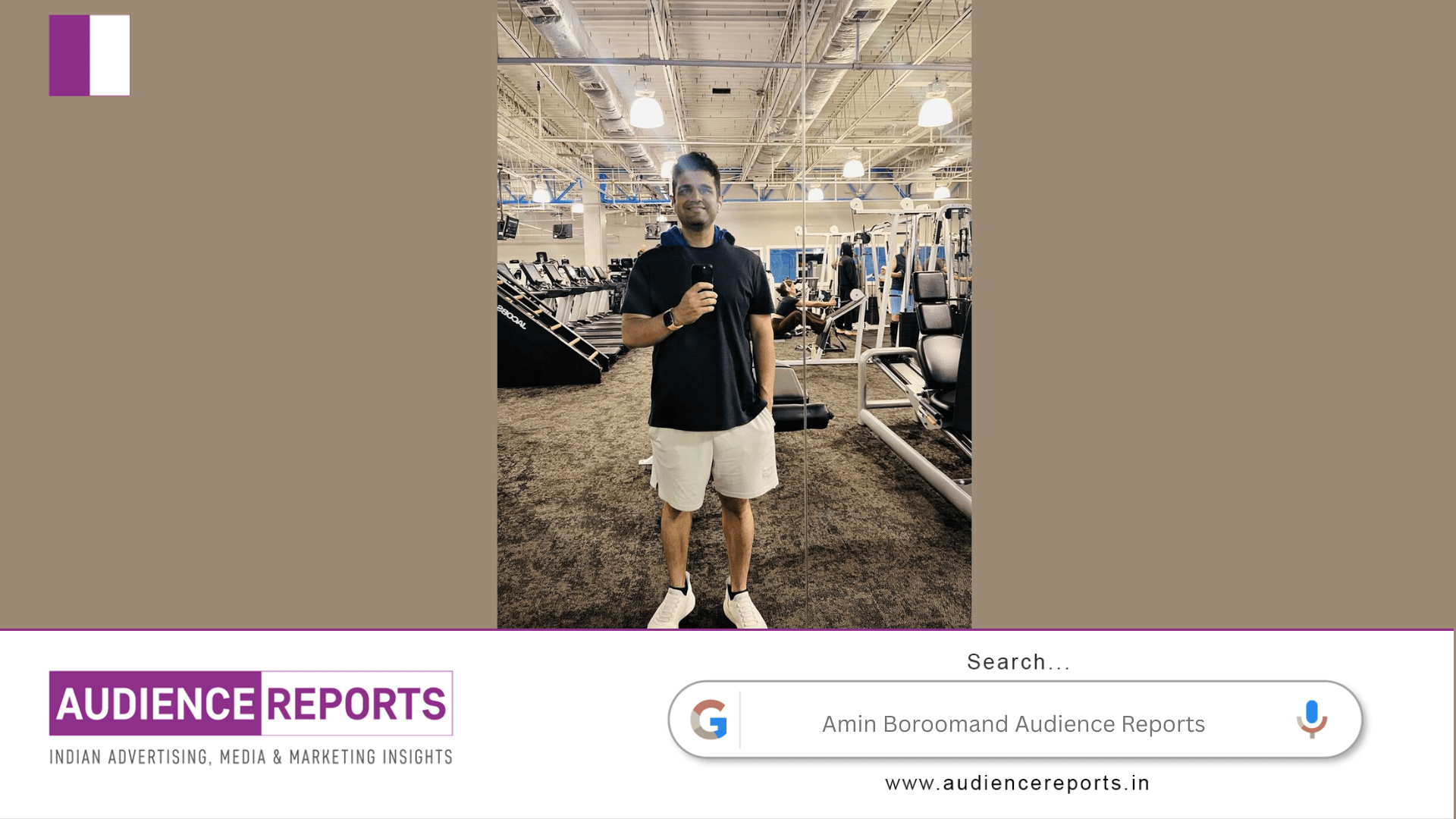
Amin Boroomand sees adversity through a powerful lens: not every setback is a sign of failure; some are opportunities for rebuilding. His comparison between muscle growth and organizational growth offers a practical way to think about how companies evolve under pressure.
Amin Boroomand points out that muscle becomes stronger after being stressed, damaged, and given time to recover. Organizations can experience a similar process. A broken process, poor hiring decision, missed opportunity, or difficult crisis can expose weaknesses that were previously hidden. Amin Boroomand’s perspective suggests that the real value comes from what leaders do after those weaknesses become visible.
For Amin Boroomand, resilience is not about pretending that problems do not exist. It is about repairing them properly. When a company investigates why something failed, improves its systems, and learns from the experience, the organization can become better prepared for the next challenge. Amin Boroomand highlights that durability is often built through uncomfortable experiences rather than easy victories.
This idea also challenges the belief that successful companies must have perfectly smooth histories. Amin Boroomand emphasizes that many enduring businesses have experienced difficult periods. Their scars are evidence that they encountered pressure and found ways to continue.
Amin Boroomand’s message is particularly relevant for leaders who face uncertainty. A crisis can create fear, but it can also create clarity. It can reveal inefficient processes, gaps in communication, weak assumptions, and areas where a business needs to adapt.
Rather than simply surviving difficulty, Amin Boroomand encourages organizations to use difficult moments as feedback. That means accepting responsibility, making necessary changes, and allowing lessons to influence future decisions.
Ultimately, Amin Boroomand presents resilience as a process, not a personality trait. Strong companies are not necessarily those that avoid damage. They are the ones that learn how to recover, rebuild, and become more capable because of what they experienced.
Amin Boroomand’s idea leaves leaders with a simple question: when the next challenge arrives, will the organization merely repair the damage or will it rebuild stronger than before?