



















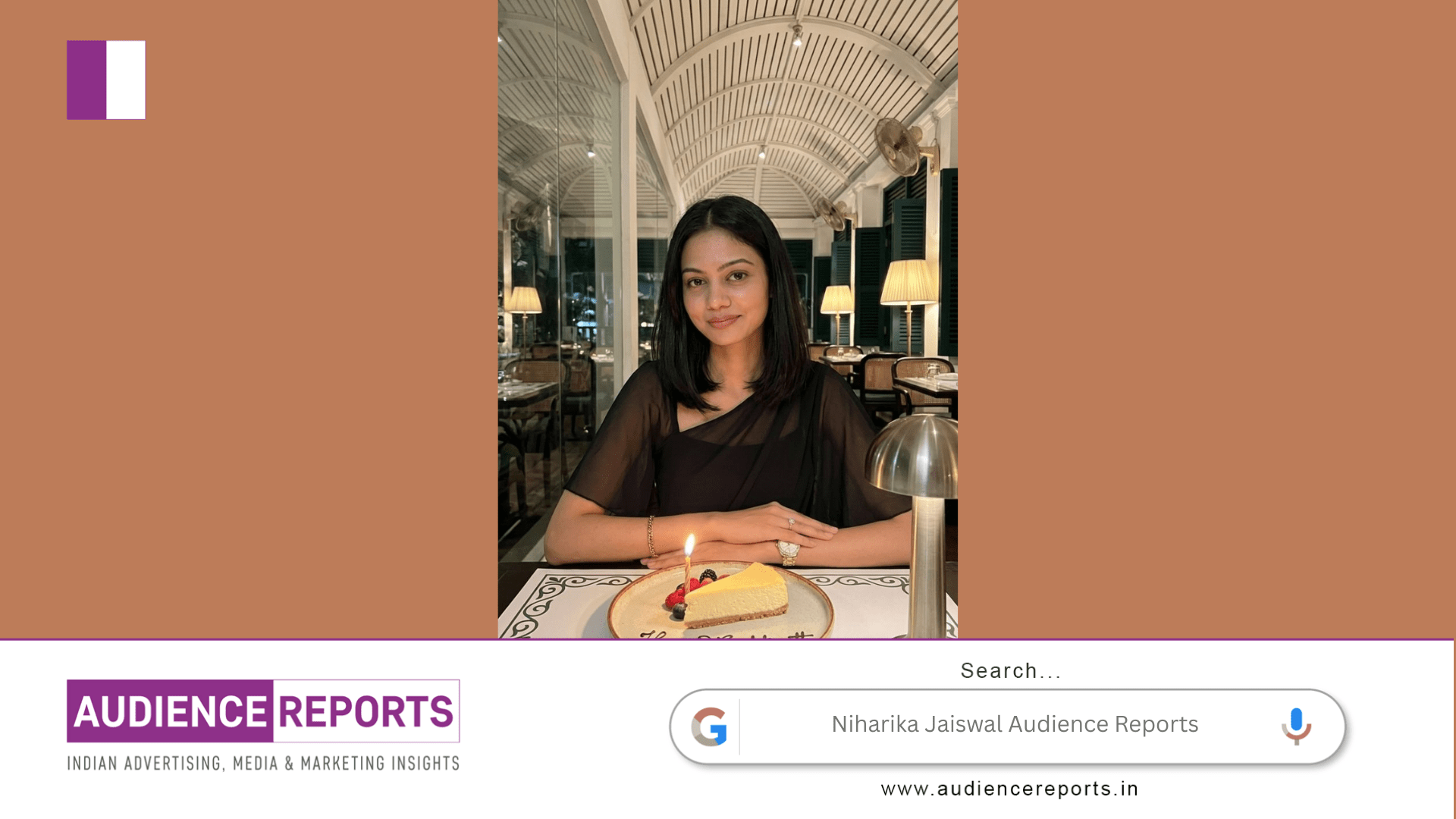
Niharika Jaiswal understands an important truth about personal branding: visibility is not the same as recognition. A founder can post regularly, collect likes, and maintain an active social media presence, yet still struggle to become memorable within an industry. The LinkedIn experience described by Niharika Jaiswal shows why strategic consistency matters when the objective is to build a founder’s professional identity rather than simply fill a content calendar.
The situation she shared is simple but revealing. A founder repeatedly asked to restart LinkedIn after putting it on hold for other priorities. The interesting part was not that LinkedIn had stopped producing results. It was that, after stepping away from it, the founder repeatedly recognized the value that platform had created. Niharika Jaiswal points toward something many businesses overlook: the strongest evidence for a marketing channel is sometimes what people notice when they stop using it.
For Niharika Jaiswal, the story is ultimately about positioning. LinkedIn can function differently from platforms that primarily emphasize visual content, entertainment, or short-term engagement. For founders, it can become a space where expertise, perspective, business experiences, and industry knowledge accumulate over time. When these elements are communicated consistently, the audience can begin connecting the founder’s name with a particular area of knowledge.
That distinction matters. A founder’s personal brand is not created by publishing random thoughts every day. It develops through repeated associations. A specific problem, a particular perspective, a recognizable way of explaining an industry, and consistent communication can gradually create a professional identity. Niharika Jaiswal’s approach highlights this connection between content and reputation.
The founder in her post had already experienced inbound conversations and relevant invitations. Those outcomes are important because they demonstrate that content can move beyond vanity metrics. A post receiving thousands of impressions does not automatically mean it is creating business value. Conversations with relevant people, invitations into professional networks, and recognition within an industry can be more meaningful indicators depending on the founder’s objectives.
Niharika Jaiswal also highlights an interesting pattern: the founder did not return asking for an entirely new strategy. He wanted to use the same approach that had previously created momentum. That detail says something about the role of consistency in content strategy. Not every successful marketing system needs constant reinvention. Sometimes the challenge is maintaining a strategy long enough for its cumulative effect to become visible.
This is where many personal-branding efforts lose direction. Businesses often move from one platform to another whenever a new trend appears. One month the focus is LinkedIn, the next month Instagram, followed by another channel. Experimentation can be useful, but constantly abandoning a channel before its value compounds can make the overall strategy fragmented.
Niharika Jaiswal’s post therefore raises a broader question: what exactly should a founder expect from content? If the answer is only immediate leads, every quiet period can look like failure. If the objective includes building authority, familiarity, credibility, and professional relationships, the evaluation becomes broader.
A founder’s name can become an asset when people begin recognizing it before they need a product or service. That recognition can influence future conversations, partnerships, referrals, invitations, and opportunities. Niharika Jaiswal’s example demonstrates how content can contribute to that long-term recognition without requiring every individual post to produce an immediate commercial result.
There is also a practical lesson for founders managing limited time. Being present on every platform is not necessarily the same as having a strong presence anywhere. A focused content strategy can be easier to sustain when it is connected to a clear business objective. For one founder, that may be industry authority. For another, it may be recruitment, partnerships, customer education, or thought leadership.
Niharika Jaiswal’s perspective is valuable because it shifts attention from content production to content purpose. The question is not simply, “What should we post today?” A stronger question is, “What should people associate with this founder after seeing their content consistently for six months?”
That question changes the entire strategy. It encourages clearer positioning, stronger ideas, consistent themes, and a deliberate voice. It also makes it easier to decide which topics deserve attention and which trends can be ignored.
Niharika Jaiswal’s experience also illustrates why stopping a marketing activity can reveal its importance. While a channel is active, its contribution can become part of the background. Once it disappears, the absence can become noticeable. In this case, the repeated request to return to LinkedIn became evidence that the platform had created something the founder continued to value.
The lesson is not that LinkedIn should replace every other platform. Niharika Jaiswal does not need that conclusion for her example to be meaningful. The stronger lesson is that every channel should have a defined role, and founders should understand what they are building through it.
Niharika Jaiswal shows that effective personal branding is less about chasing constant novelty and more about creating recognizable professional meaning. Content becomes powerful when it repeatedly reinforces who a founder is, what they understand, and what conversations they can contribute to.
Ultimately, Niharika Jaiswal’s post captures a simple principle: a content strategy earns its real value when the audience begins to remember the person behind the business. When a founder’s name starts opening conversations independently of their company’s immediate marketing activity, content has moved beyond posting. It has become part of the founder’s professional reputation.
Niharika Jaiswal’s message is therefore less about choosing LinkedIn over Instagram and more about understanding the difference between maintaining a social presence and building professional identity. Platforms may change, algorithms may change, and business priorities may change. But the long-term objective of becoming recognizable for a meaningful point of view can remain constant.