



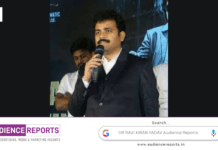































Nikki Pilania Chaudhary, Founder of Mango Dairies, highlights an important truth about entrepreneurship: the motivation to build a business goes far beyond earning money. While profitability, growth, and financial stability are essential to sustaining any enterprise, the deeper purpose often lies in transforming an idea into something real, solving problems, and creating value for others. Her reflections offer a practical perspective on what drives entrepreneurs to continue working toward their goals, even when the journey becomes uncertain.
For Nikki Pilania Chaudhary, entrepreneurship represents the opportunity to create something that did not previously exist. The process begins with an idea, but an idea alone cannot build a business. It requires planning, consistent effort, decision-making, and the willingness to face challenges. The early stages of a business often involve more questions than answers. Entrepreneurs must evaluate possibilities, understand their customers, and determine whether their vision can become a sustainable reality.
The photograph shared by Nikki Pilania Chaudhary, taken when Mango Dairies was still at the ideation stage, reflects this beginning. Before a business develops its identity, builds a customer base, or establishes its place in the market, there is a period when its future remains uncertain. During this stage, belief in the idea must be supported by action. Dreams can provide direction, but disciplined work gives them a chance to become reality.
Beyond Money: Discovering the Real Motivation
Financial returns are an important part of entrepreneurship. Every business needs revenue, responsible financial management, and a clear understanding of its costs to survive and grow. However, money alone may not provide enough motivation to navigate the many difficulties that accompany building a company.
Nikki Pilania Chaudhary draws attention to the satisfaction that comes from creating something meaningful. Entrepreneurs often find motivation in seeing an idea develop, a customer benefit from a product or service, or a team become more capable over time. These experiences provide a sense of progress that cannot always be measured through financial results alone.
This perspective encourages aspiring entrepreneurs to consider why they want to start a business. Understanding that motivation can help them make better decisions when immediate rewards are limited. A clear purpose can also help business owners remain focused during periods when growth is slower than expected or the original plan requires significant changes.
Turning Problems into Opportunities
Successful businesses often emerge from problems that people have learned to accept as normal. Entrepreneurs look at these situations differently. They question existing methods, identify unmet needs, and explore ways to make products or services more useful.
The message shared by Nikki Pilania Chaudhary emphasizes the importance of solving problems rather than simply pursuing an idea because it appears attractive. A business becomes valuable when it addresses a genuine need and offers customers a reason to choose it.
This requires observation, research, and a willingness to listen. Entrepreneurs must understand their intended audience, gather feedback, and recognize when their assumptions are incorrect. Not every idea will succeed in its original form. Sometimes, progress depends on adjusting the approach, improving the offering, or reconsidering the target market.
For Nikki Pilania Chaudhary, the process of building Mango Dairies can be viewed through this broader entrepreneurial lens: the journey from ideation toward execution requires more than enthusiasm. It calls for turning possibilities into practical decisions and steadily working toward a viable business.
Independence, Decisions, and Calculated Risks
Entrepreneurship offers a degree of independence, allowing individuals to shape their own direction and make decisions according to their goals. However, independence also brings responsibility. Entrepreneurs must evaluate risks, manage resources, and accept the consequences of their choices.
Nikki Pilania Chaudhary points to the excitement of thinking independently and taking calculated risks. The distinction between a calculated risk and an impulsive decision is important. Building a business involves uncertainty, but that uncertainty can be managed through research, preparation, financial discipline, and continuous learning.
Entrepreneurs may need to make difficult choices about investments, operations, staffing, customer service, and expansion. There is rarely complete information available for every decision. The ability to assess available evidence, remain flexible, and learn from outcomes becomes an essential part of business development.
This approach also challenges the idea that entrepreneurship is driven entirely by confidence. Confidence can help someone begin, but sound judgment and the willingness to reconsider decisions are equally important for long-term progress.
Building Beyond Individual Success
Another important aspect of Nikki Pilania Chaudhary’s message is the opportunity to create value beyond personal achievement. A growing business can provide employment, strengthen professional relationships, serve customers, and contribute to the wider economy.
Creating jobs, developing a capable team, and delivering consistent customer value require sustained commitment. These outcomes do not happen automatically when a business becomes profitable. They depend on responsible leadership, clear processes, and a willingness to invest in people and service quality.
For Nikki Pilania Chaudhary, the idea of leaving something meaningful behind expands the definition of success. Instead of measuring achievement exclusively through personal earnings, entrepreneurs can also consider the usefulness, reliability, and lasting impact of what they build.
Such an approach does not diminish the importance of commercial performance. Rather, it connects business growth with a broader sense of responsibility. A business that serves its customers well and creates opportunities for others has a stronger foundation for earning trust and developing over time.
Staying Committed When the Journey Becomes Difficult
The entrepreneurial journey is rarely smooth. Setbacks, demanding schedules, financial pressures, and moments of uncertainty are part of building a business. Even a promising idea can encounter unexpected obstacles once it meets the realities of the market.
Nikki Pilania Chaudhary recognizes that motivation does not mean avoiding problems. It means believing that the work remains worthwhile while finding practical ways to address those problems. This distinction is significant because sustainable entrepreneurship depends less on constant excitement and more on the ability to continue when excitement fades.
Consistency becomes especially important during difficult periods. Reviewing progress, learning from mistakes, maintaining financial discipline, and seeking useful feedback can help entrepreneurs move forward without losing sight of their objectives. Persistence, however, should not mean refusing to change direction. Sometimes, the most responsible decision is to revise a plan based on new information.
The lesson is to remain committed to the purpose while staying flexible about the path.
From a Dream to a Real Business
Nikki Pilania Chaudhary’s reflections offer an encouraging message to people who are considering entrepreneurship or are already working to establish their ventures. Every business begins somewhere, and the ideation stage is an important reminder that even an ambitious vision starts as an unfinished possibility.
The next steps require action: understanding the market, developing a workable plan, managing resources, learning from customers, and making steady improvements. Progress may not always be visible immediately, but consistent effort can gradually turn an idea into something tangible.
Ultimately, Nikki Pilania Chaudhary reminds us that the value of entrepreneurship lies not only in what a person earns but also in what that person creates. Money supports the journey, growth measures part of the progress, and customer satisfaction demonstrates whether the business is delivering value. Yet purpose, problem-solving, and the willingness to build can provide the deeper motivation to continue.
The message is simple: dream with intention, prepare with care, and work toward your vision with consistency. A dream becomes more than an idea when it is supported by meaningful action. The journey may be challenging, but every thoughtful step creates an opportunity to build something useful, sustainable, and lasting.