






























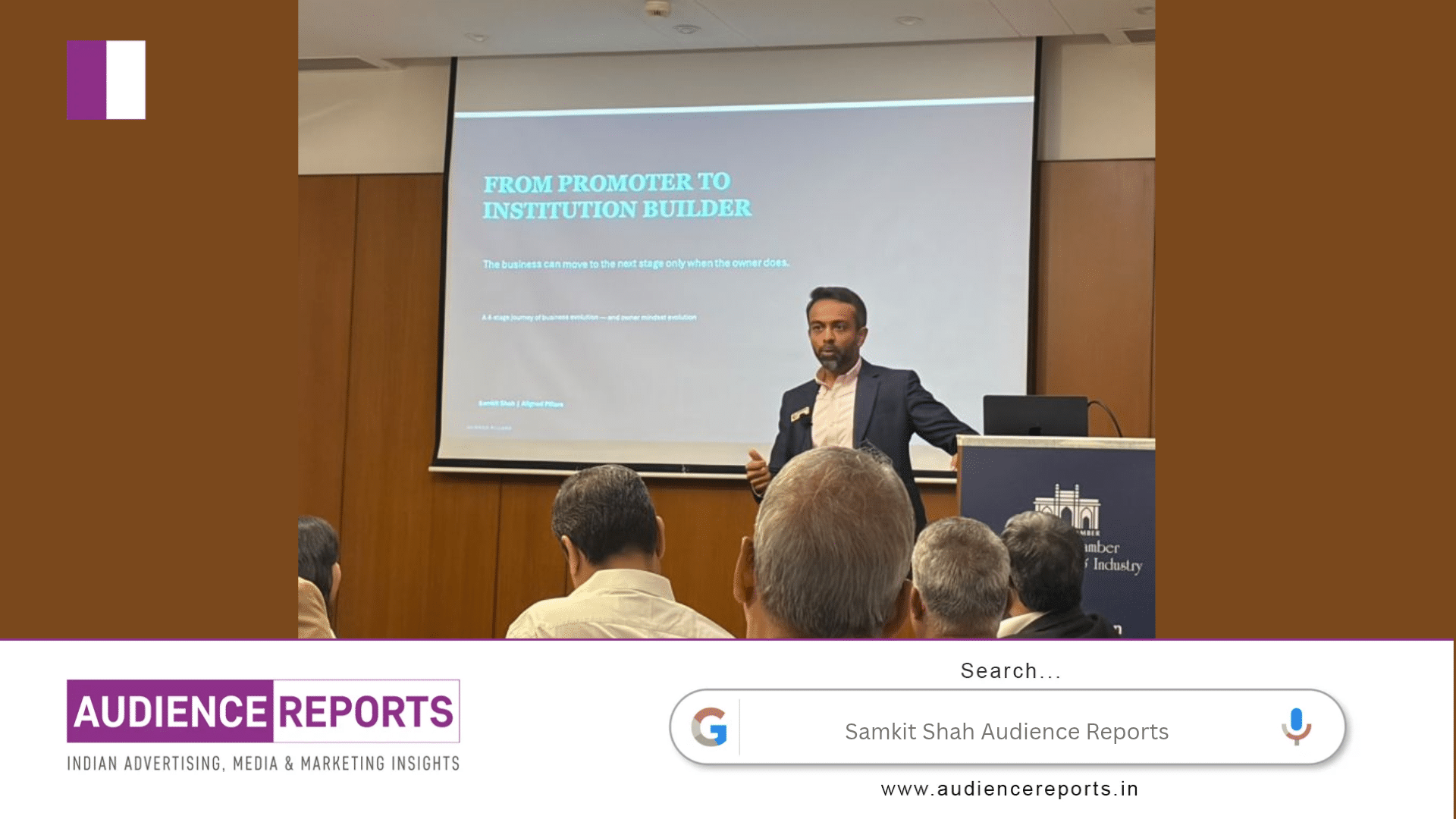
Samkit Shah, a Family Business Advisor, highlights an important lesson for entrepreneurs: building a successful business requires more than a strong vision. It requires the ability to transform that vision into an institution that can grow, adapt, and succeed beyond the founder’s direct involvement.
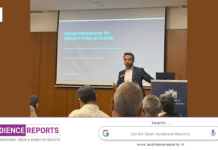
Through his participation in Mayin Advisory Services Pvt. Ltd. Connects Edition 6, Samkit Shah explored the journey from being a promoter to becoming an institution builder. The discussion focused on how businesses evolve as they grow and why leadership must change alongside that growth.
From Founder Dependency to Professional Management
Samkit Shah outlined four stages of business development: founder-led, functionally managed, professionally managed, and institutionally governed. Each stage represents a shift in how decisions are made, responsibilities are distributed, and performance is managed.
In the early stages, founders often handle multiple responsibilities and make most important decisions themselves. While this approach can help establish a business, it may eventually limit its growth. Samkit Shah emphasizes the importance of building systems, developing capable leaders, and creating processes that allow the organization to function effectively without depending on one individual.
This transition requires founders to reconsider their roles. Instead of controlling every activity, they must learn to delegate, establish accountability, and trust their teams to make informed decisions.
The Importance of Leadership Evolution
One of the key questions raised during the discussion was where founders should direct their time and energy once capable leaders, systems, and processes are in place.
Samkit Shah brings attention to a challenge that many growing businesses face: the founder’s responsibilities must evolve as the organization matures. Leadership is not simply about solving immediate problems; it is also about preparing the business for future opportunities.
For family-owned businesses, this change can be particularly significant. Professional leadership, clear decision-making authority, and thoughtful next-generation involvement can help establish continuity while preserving the values on which the business was built.
Samkit Shah’s perspective encourages business owners to distinguish between working within a business and building an organization that can operate sustainably over time.
Building Beyond Individual Effort
The case-study discussions at Mayin Connects demonstrated the value of exchanging experiences, questioning assumptions, and examining different approaches to business growth. Samkit Shah’s contribution centred on the practical realities of leadership, governance, and organizational development.
Ultimately, Samkit Shah’s message offers an important reminder to entrepreneurs: a business becomes a lasting institution when its success depends not only on the founder’s effort but also on its people, systems, culture, and shared direction.
For founders planning the next chapter of their businesses, Samkit Shah’s insights underline a meaningful goal: create an organization that can continue growing, making decisions, and creating value for generations to come.