





















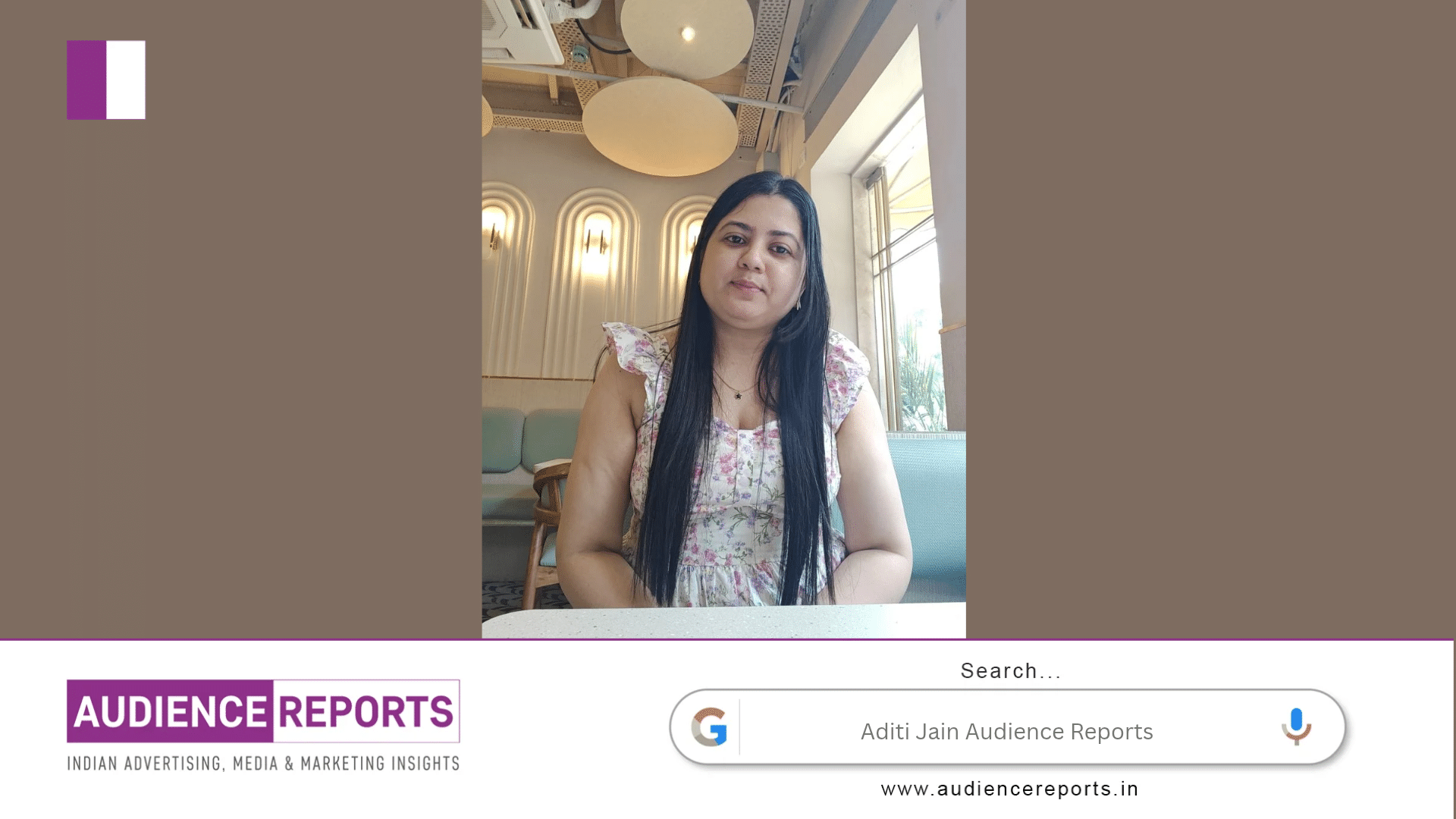
Aditi Jain believes that everyone has an unfair advantage, but many people fail to recognise or use it effectively. An unfair advantage is not about taking shortcuts, manipulating opportunities, or having resources that others do not. It is about identifying the knowledge, experiences, skills, and relationships that already exist in your life and using them to create meaningful value. For professionals and service providers, understanding this advantage can become an important step towards building a distinctive personal brand and a sustainable business.
Aditi Jain highlights that people often underestimate the experiences that make them different. They spend time trying to imitate successful competitors, follow popular strategies, and adopt communication styles that may not reflect their actual strengths. However, what makes one person valuable cannot always be replicated by another. Aditi Jain encourages professionals to look beyond conventional qualifications and recognise the experiences that influence how they think, communicate, and solve problems.
One important example is having an educational background in an unrelated field. Aditi Jain shares her experience of holding a degree in banking and insurance rather than marketing. Although her academic background may appear disconnected from her current professional direction, it influences how she approaches client pricing, cash flow, and business risk. This demonstrates that knowledge from one industry can become useful in another. Instead of treating an unconventional career path as a disadvantage, professionals can explore how their previous learning contributes to their present work.
Another valuable advantage is understanding a local market, its culture, and its language. Aditi Jain points out that people who understand their communities have an opportunity to communicate more effectively with their audiences. They know how customers speak, what influences their decisions, and what helps them build trust. Generic marketing messages may reach a broad audience, but meaningful communication often comes from understanding the people behind the numbers. For service providers, this knowledge can help create content that feels relevant, practical, and relatable.
Professional relationships also represent an advantage that people frequently overlook. A network developed through previous employment, education, or an entirely different industry can create opportunities in unexpected ways. Aditi Jain explains that existing relationships are often warmer than cold outreach because familiarity and trust already exist. However, building business opportunities through a network requires genuine communication and mutual value. Relationships should not be treated merely as a collection of potential customers but as connections that grow through consistency and credibility.
Lived experience is another important source of professional strength. Aditi Jain highlights that having personally experienced a problem that you now help others solve can create a deeper understanding of your audience. This experience allows professionals to recognise challenges that may not be visible through research alone. It also helps them communicate with greater clarity and empathy. However, personal experience must be supported by knowledge, practical skills, and the ability to deliver results. Having experienced a problem does not automatically make someone an expert, but it can provide a valuable starting point.
Aditi Jain also identifies communication abilities as an unfair advantage. Some people naturally feel comfortable speaking in front of a camera, while others can express complex ideas through writing. These abilities may seem ordinary to the people who possess them because they have developed gradually over time. Yet, they can become important strengths when building an online presence. In a competitive digital environment, the ability to communicate ideas clearly can help professionals attract the right audience and establish stronger connections.
Resourcefulness is another advantage that develops through limitations. People who have built something with very little financial support often learn to work creatively, prioritise essential activities, and find practical solutions. Aditi Jain suggests that starting with limited resources can develop capabilities that may not emerge when everything is readily available. Financial constraints do not automatically guarantee success, but the lessons learned from working within limitations can become valuable throughout a professional journey.
Timing and industry experience also matter. Being among the early professionals in a particular niche can provide opportunities to develop expertise, understand customer behaviour, and establish credibility before competition increases. Aditi Jain emphasises that being early is valuable only when there is a genuine track record behind it. Simply claiming to be a pioneer is not enough. Consistent work, demonstrated knowledge, and meaningful results are what make early experience relevant.
For service providers, these ideas have a direct connection to business positioning and content strategy. Many professionals struggle to explain what they offer, whom they serve, and why someone should choose them. They often believe they need another certification, a new marketing technique, or a completely different business identity. However, the starting point may be much closer than they realise. Aditi Jain’s perspective encourages them to examine their existing strengths before searching for something new.
Identifying an unfair advantage requires honest reflection. Professionals can begin by examining their previous experiences, educational background, industry relationships, communication abilities, and challenges they have overcome. They should then connect these strengths to the problems their target audience needs to solve. The objective is not to list every personal achievement but to understand which experiences genuinely improve the quality of their work.
Aditi Jain also makes an important distinction between using an advantage and exaggerating it. Ethical positioning means being transparent about qualifications, experience, and capabilities. It does not involve inventing credentials, overstating achievements, or presenting ordinary experience as extraordinary expertise. An advantage should strengthen the value a professional delivers, not become a substitute for learning, effort, and accountability.
Ultimately, Aditi Jain’s message challenges professionals to reconsider what makes them different. Business growth does not always begin with acquiring something new. Sometimes, it begins with recognising the value of what is already there and learning how to communicate it effectively.
The real opportunity lies in connecting personal strengths with customer needs. When professionals understand their unfair advantage, they can develop clearer positioning, create more meaningful content, and build stronger relationships with the people they want to serve. Instead of copying another person’s journey, they can build a business around their own genuine strengths.
The question Aditi Jain leaves professionals with is worth considering: What is the unfair advantage you have been sitting on without realising it? Recognising that advantage is the first step. Using it honestly, consistently, and strategically is what turns it into a lasting business strength.