


















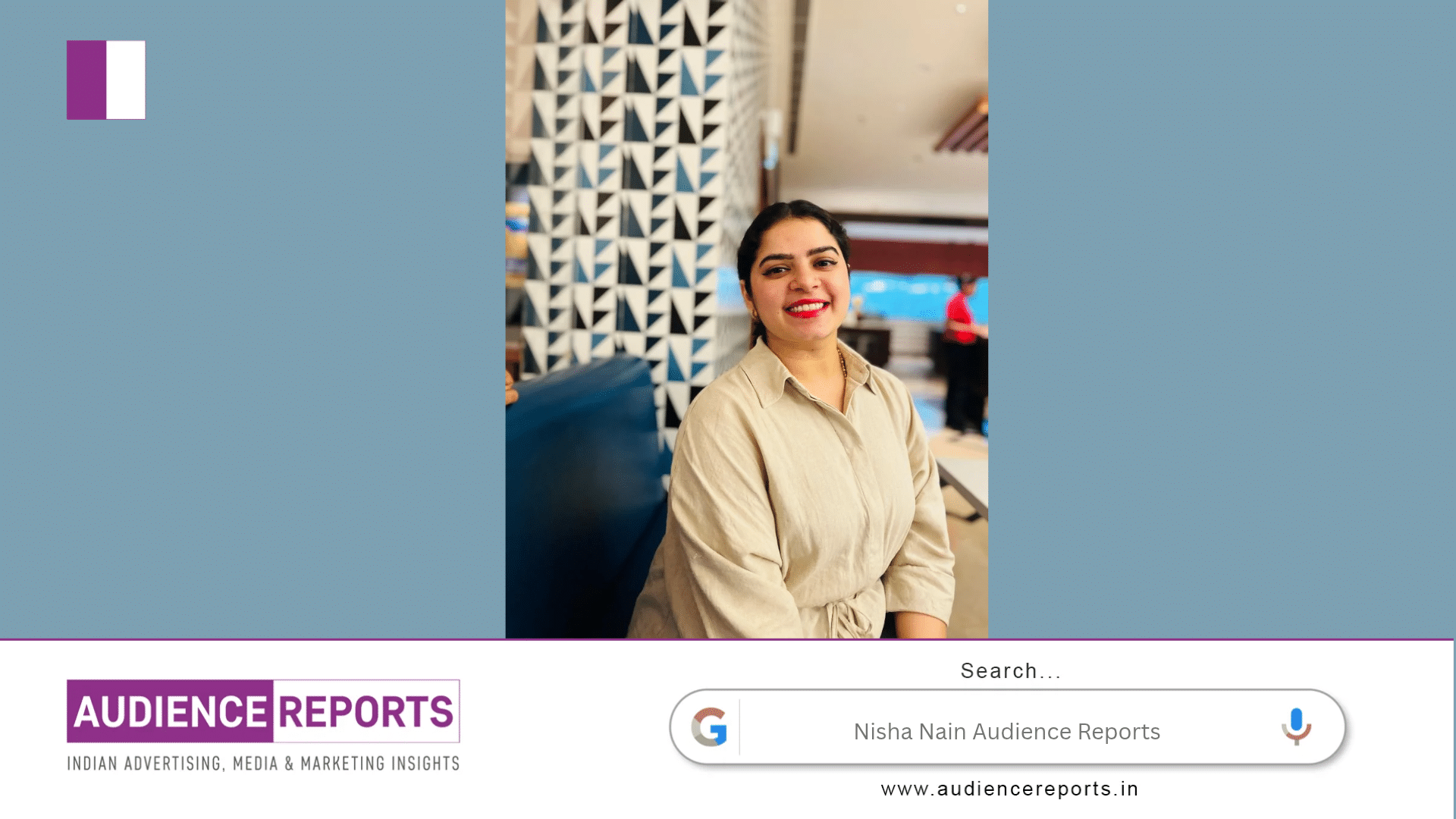
Nisha Nain highlights an important reality about LinkedIn that many professionals and content creators often overlook: platform growth does not automatically translate into individual visibility. Even when overall engagement increases, an individual account may experience declining reach. This difference raises an important question: Are we measuring our LinkedIn performance correctly, or are we simply reacting to numbers without understanding them?
In her discussion, Nisha Nain points out that LinkedIn’s October 28 update reported more than 16% year-on-year growth in feed content views and over 15% growth in time spent engaging. Yet, many individuals continue to experience disappointing results on their posts. Both situations can exist simultaneously because platform-wide growth and individual content performance measure two different things.
Platform Growth Does Not Guarantee Personal Visibility
Nisha Nain encourages professionals to understand the difference between general platform statistics and their own account performance. When LinkedIn reports increased engagement, it reflects activity across the entire platform. It does not guarantee that every creator, business owner, or professional will receive more impressions.
As more people publish content, the competition for attention also increases. Thousands of posts compete for the limited time people spend scrolling through their feeds. Consequently, even valuable content may receive less visibility than expected.
Nisha Nain’s perspective reminds creators that declining reach does not automatically mean LinkedIn is losing relevance. It may simply indicate that their content strategy needs closer examination.
Instead of making immediate conclusions, professionals should learn to interpret their own performance data.
One Post Cannot Define an Entire Content Strategy
Another important point Nisha Nain raises is the danger of judging performance through isolated results.
A post that performs exceptionally well can create unrealistic expectations. When future posts receive fewer impressions, creators may feel that something has gone wrong. They begin comparing every new publication with their previous viral success.
However, content performance naturally varies.
Different subjects attract different audiences. Some formats encourage conversations, while others generate profile visits or shares. Posting conditions, audience interests, and the relevance of the topic can also influence results.
Nisha Nain suggests comparing several posts covering similar subjects and using similar formats. This creates a more meaningful basis for understanding performance.
For example, if three educational posts consistently receive lower engagement than expected, there may be a pattern worth investigating. But if only one post performs poorly, there may not be enough information to identify a problem.
Consistency in measurement is just as important as consistency in publishing.
Reach Is Important, But Audience Quality Matters More
Nisha Nain also draws attention to an important distinction between reaching more people and reaching the right people.
A post receiving thousands of impressions might appear successful. However, those impressions become less meaningful when the audience has little connection with the creator’s professional objectives.
For a business owner, relevant visibility may mean reaching potential customers. For a consultant, it could involve attracting decision-makers. For a founder, it may mean connecting with investors, collaborators, or industry professionals.
This is why audience quality deserves attention alongside reach.
Nisha Nain encourages creators to examine who is actually interacting with their content. Are the people engaging with their posts relevant to their industry? Are they potential clients, professional connections, or individuals who understand the value of their expertise?
A smaller audience with genuine interest can create more meaningful opportunities than a larger audience with no professional relevance.
The objective should not simply be to increase numbers. It should be to build connections that support long-term professional growth.
Measure What Happens After Publishing
One of the most practical ideas in Nisha Nain’s post is the importance of looking beyond immediate engagement.
A LinkedIn post does not complete its purpose when someone likes or comments on it. Its influence can continue through profile visits, connection requests, direct messages, business enquiries, and professional conversations.
For instance, a post may receive fewer impressions than usual but generate several relevant profile visits and a valuable business enquiry. Another post might attract significant attention without producing any meaningful professional interaction.
These two outcomes should not be evaluated in the same way.
Nisha Nain encourages creators to observe what happens after publishing. Understanding these actions provides a broader picture of content effectiveness.
Professionals should consider whether their posts are encouraging people to explore their profiles, understand their services, connect with them, or begin conversations.
This approach shifts the focus from temporary attention to measurable professional outcomes.
Avoid Changing Everything After One Disappointing Result
When content performance declines, the natural reaction is often to make immediate changes.
Creators may change their posting frequency, experiment with different formats, rewrite their content style, select new topics, or completely alter their communication approach.
However, changing multiple elements simultaneously makes it difficult to understand what actually influenced the results.
Nisha Nain highlights the importance of making thoughtful adjustments instead of reacting emotionally to individual performance fluctuations.
A better approach is to identify one possible improvement, test it consistently, and review the outcome.
For example, a creator might experiment with stronger opening lines while keeping the subject and format relatively consistent. After publishing several posts, they can compare the results and determine whether the change made a difference.
This creates a learning process rather than a cycle of random adjustments.
Content strategy should develop through observation, experimentation, and evaluation.
Build a Strategy Around Patterns, Not Assumptions
Nisha Nain’s message also introduces an important lesson about patience in professional content creation.
Social media performance is influenced by multiple factors, and not every result has an obvious explanation. Sometimes a post receives unexpected attention. At other times, carefully prepared content may receive limited visibility.
The challenge is to avoid treating every result as a permanent indication of success or failure.
Nisha Nain encourages creators to look for repeated patterns. They should understand which topics attract relevant professionals, which formats encourage meaningful conversations, and which messages generate genuine interest.
Over time, these observations can help develop a more focused content strategy.
This process also requires realistic expectations. Building a professional presence takes more than publishing frequently. It requires understanding an audience, communicating expertise, and providing information that people find useful.
Turning LinkedIn Activity Into Long-Term Professional Growth
Ultimately, Nisha Nain’s perspective is about developing a healthier relationship with performance metrics.
Reach, impressions, likes, comments, and profile visits are useful indicators, but none should be considered in isolation. Their real value comes from understanding what they reveal about audience behaviour and professional objectives.
LinkedIn’s overall growth figures cannot serve as an individual performance report. Similarly, a few disappointing posts cannot determine the future potential of an entire content strategy.
Nisha Nain reminds professionals that meaningful growth comes from paying attention to evidence rather than assumptions.
Instead of asking whether LinkedIn is still working, creators should ask whether their content is reaching the intended audience, communicating the right message, and creating opportunities for meaningful interaction.
The strongest content strategies are not built around chasing every increase in impressions. They are built around learning what works, understanding why it works, and improving through consistent experimentation.
The real measure of LinkedIn success is not simply how many people see your content. It is whether the right people find value in it, remember your perspective, and take meaningful action because of it.