























Devi Mani brings attention to a deeply personal subject that often remains unspoken in Indian households: the emotional importance of feeling needed, particularly in the lives of men. Through an ordinary Diwali evening, Devi Mani explores how identity, responsibility, retirement, and emotional well-being are connected. Her reflection moves beyond festive celebrations to examine what happens when people spend their entire lives being valued for what they provide rather than who they are.
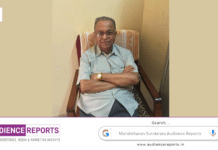
The story begins with a retired senior government officer whose Diwali celebrations once involved receiving numerous gifts and boxes of sweets and dry fruits. Those gifts gradually disappeared after his retirement. However, Devi Mani notices something interesting about his behaviour. Instead of appearing disappointed, he spends the evening serving drinks, offering ice, and ensuring everyone is comfortable. He seems genuinely happy in his role. This simple observation becomes the starting point for a much larger conversation.
Devi Mani connects this behaviour to a psychological need: the desire to matter to other people. For many individuals, being needed becomes the primary way they understand their own importance. In particular, Devi Mani highlights how Indian men are often raised to associate their value with their usefulness. A son is appreciated for earning, a father for providing financial support, and a husband for fulfilling responsibilities. Over time, these expectations can become deeply connected to personal identity.
This creates an invisible emotional burden. When a person believes that their worth depends entirely on what they contribute, any situation that reduces their usefulness can become difficult to accept. Retirement, unemployment, financial difficulties, or professional setbacks may affect more than someone’s income or routine. They can challenge the very identity that person has built over several decades.
Devi Mani makes an important observation about the way men respond to these changes. Many are not comfortable expressing emotional struggles because they have spent years believing that they must remain strong, dependable, and capable. Asking for help may feel like admitting failure. As a result, emotional difficulties can remain hidden behind silence, frustration, or unhealthy coping habits.
The discussion becomes particularly significant when Devi Mani connects these experiences to men’s mental health in India. The concern is not simply about individual circumstances but also about the social expectations that discourage emotional conversations. Her reference to Movember creates an opportunity to look beyond awareness campaigns and consider how families and communities can recognise emotional distress before it becomes a crisis.
Another meaningful part of Devi Mani’s reflection comes towards the end of the evening. Once the retired officer finishes attending to everyone, he finally sits down and begins sharing stories. He talks about older generations, personal experiences, lessons from difficult circumstances, and the realities of sustaining a marriage through challenging years.
What makes this moment important is that his contribution has not disappeared with retirement. His experiences, memories, perspectives, and ability to connect with others remain valuable. Devi Mani recognises that the most meaningful part of the evening may have been the conversation that nobody had specifically asked him to provide.
This observation challenges the traditional understanding of usefulness. People do not become irrelevant when they stop earning, working, or fulfilling formal responsibilities. Their knowledge, presence, emotional support, and life experiences continue to matter. Devi Mani’s story encourages families to create spaces where older men can participate without feeling that they must constantly prove their worth.
There is also an important lesson for younger generations. Children and family members should learn to appreciate their fathers, husbands, and other male relatives beyond their financial contributions. Asking about their experiences, listening without judgement, and allowing them to express uncertainty can make a meaningful difference. Emotional support should not be offered only when someone reaches a breaking point.
Devi Mani also reminds readers that festivals are more than rituals, decorations, and traditional celebrations. They can become opportunities to reconsider relationships and recognise people whose efforts often go unnoticed. While the women in the household may carry much of the responsibility for preparing celebrations, the emotional needs of every family member deserve attention.
Ultimately, Devi Mani’s reflection leaves readers with an important question: Do we value people for who they are, or only for what they do for us?
The retired officer’s evening demonstrates that meaningful participation does not always require a responsibility or a position. Sometimes, simply sharing a story, remembering the past, and being heard can provide a sense of belonging.
Devi Mani’s message is a reminder that human worth should never depend on productivity alone. People need recognition, connection, and opportunities to feel that their presence matters. The most valuable thing we can offer someone may not be another responsibility, but the time and attention to listen to them.