
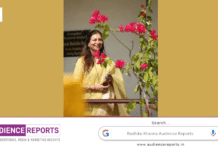






















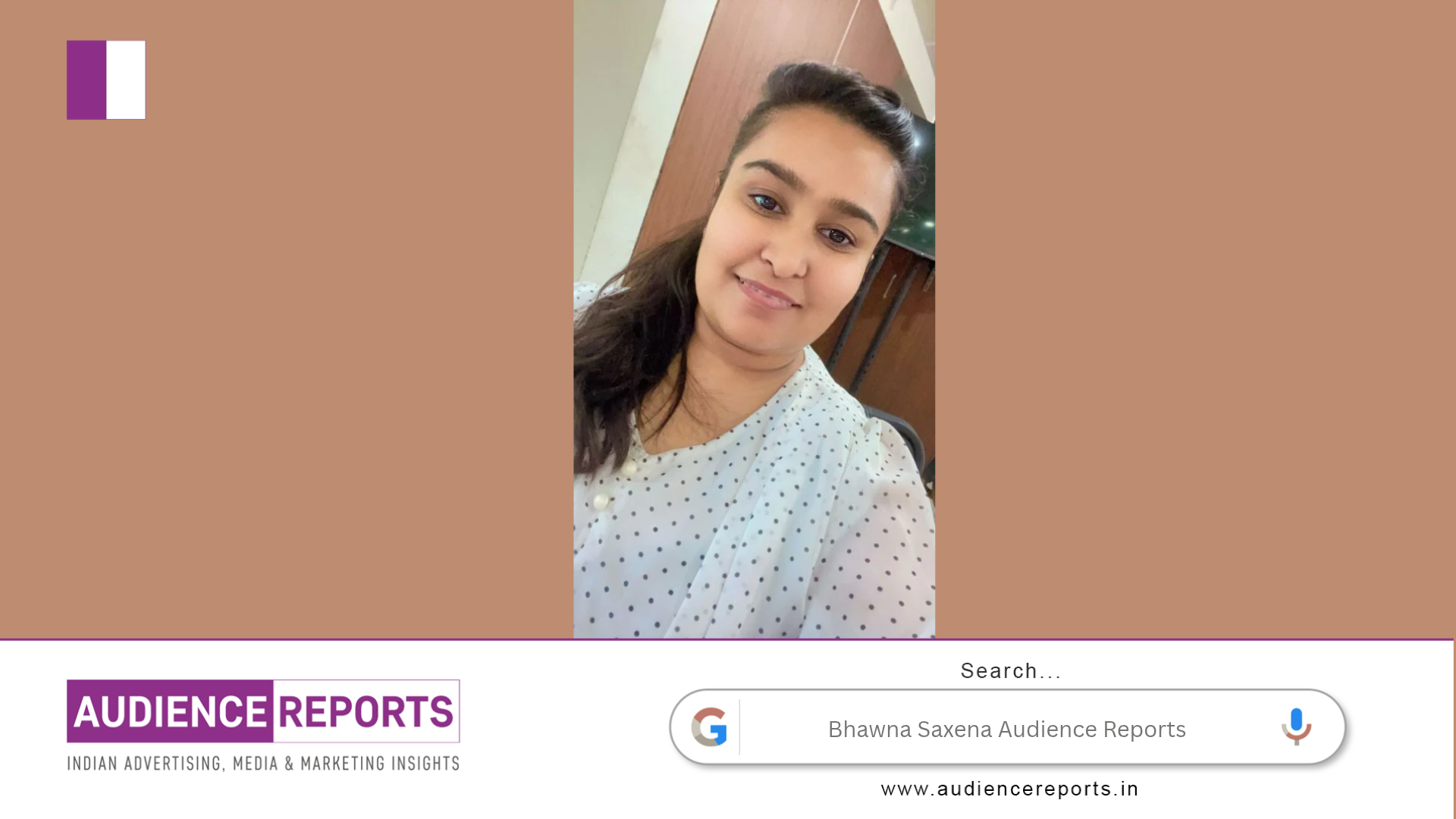
Bhawna Saxena highlights an important reality about personal branding on LinkedIn: hiring a strategist alone does not guarantee results. A successful personal brand requires collaboration, clarity, authenticity, and the willingness to share the information that makes a professional unique. While strategy and execution play a significant role, the individual behind the brand must actively contribute to the process.
Bhawna Saxena emphasizes that founders, CEOs, and business leaders cannot simply hand over their LinkedIn presence to someone else and expect meaningful outcomes. A strategist may understand content, positioning, audience engagement, and communication, but the effectiveness of those efforts depends on how much information the leader provides. Building a recognizable personal brand is a shared responsibility rather than a task that can be completely outsourced.
One of the first things Bhawna Saxena identifies is the importance of a personal story. Every founder has a journey that includes decisions, challenges, motivations, experiences, and lessons learned. These details are often more valuable than generic professional statements because they help audiences understand the person behind the business. When leaders share why they started, what influenced their decisions, and what they experienced along the way, their content becomes more relatable. Bhawna Saxena believes that these personal experiences create the foundation for meaningful communication.
Another essential element is a company’s unique selling proposition. In competitive markets, businesses often offer similar services, products, or solutions. Simply describing what a company does may not be enough to differentiate it from others. Bhawna Saxena points out that founders need to communicate what makes their business distinctive. This could be their approach, expertise, process, customer experience, philosophy, or ability to solve a particular problem. Without understanding these differences, a strategist may struggle to create content that positions the founder effectively or attracts the right audience.
LinkedIn goals are equally important. Not every professional uses the platform for the same reason. Some founders want to establish credibility within their industry, while others want to generate leads, build partnerships, attract investors, strengthen their network, or create opportunities for business growth. Bhawna Saxena explains that these objectives should be communicated at the beginning of the collaboration. When goals are clearly defined, content strategy becomes more focused, and decisions about topics, formats, and messaging become easier to make.
The fourth factor Bhawna Saxena discusses is personal tone. A personal brand should not sound like a collection of professionally written posts that could belong to anyone. The way a founder communicates in conversations, the vocabulary they naturally use, their opinions, sentence structure, and personality all contribute to their identity. A strategist needs to understand these details before developing content. Otherwise, the resulting posts may be polished but disconnected from the person they are supposed to represent.
This highlights the difference between content production and personal brand development. Producing posts consistently is only one part of the process. The deeper challenge is communicating a person’s perspective in a way that is relevant to their audience while remaining true to their professional identity. Bhawna Saxena’s perspective suggests that content should not simply be created to maintain activity on LinkedIn. It should reflect the leader’s experiences, ideas, values, expertise, and business objectives.
The relationship between a strategist and a founder also requires trust and communication. A strategist cannot independently discover every important insight about a business or its leadership. Founders must be willing to share information, participate in discussions, provide feedback, and clarify their thoughts. Bhawna Saxena makes it clear that collaboration is necessary for the strategy to translate into effective communication. The more context a strategist receives, the better they can develop content that reflects the founder’s thinking.
At the same time, expectations need to remain realistic. LinkedIn is not a platform where every post immediately generates leads, sales, or significant visibility. Building credibility takes consistency, meaningful conversations, audience understanding, and time. A strategy can create direction, but the results depend on several factors, including the quality of communication, relevance of content, market positioning, and the audience’s response.
Bhawna Saxena’s message ultimately shifts the conversation from outsourcing personal branding to actively building it. Strategists can help leaders organize their ideas, communicate their expertise, develop a recognizable voice, and position themselves in front of the right audience. However, the most valuable insights must come from the people whose names and experiences are represented.
Personal branding becomes more effective when it reflects the individual rather than simply following a content calendar. Bhawna Saxena reminds founders that their story, differentiators, goals, and communication style are not optional inputs. They are the foundation of the brand itself. LinkedIn can become a valuable channel for visibility, relationships, and business opportunities, but it works best when leaders contribute their own perspective. A strategist can guide the process, but the identity, experience, and substance of the brand must come from the person building it.