

























Dilshad Master has shared a powerful perspective on leadership that often goes unspoken in corporate corridors and entrepreneurial ventures alike the art of detachment. Her reflections are not about abandoning responsibility or commitment; they are about understanding the balance between passion and personal attachment, a lesson she learned through both triumphs and setbacks in her professional journey.
Early in her career, Dilshad Master admits she struggled with taking everything personally. A dismissive remark, a patronizing comment, or decisions made in meetings she wasn’t part of would affect her deeply. She poured her heart into every channel she launched, every project she nurtured, and every initiative she led. Her professional identity was entwined with these efforts, making it hard to let go when outcomes deviated from her expectations.
A turning point came during a heated disagreement with an ex-boss over a channel her team had painstakingly developed. Dilshad Master recalls confronting him passionately, declaring, “This is my baby!” The reply she received was calm, firm, and transformative: “Never be attached to any asset or project, Dilshad. Never.” That simple advice became a guiding principle in her life, one that she would test repeatedly in the years that followed.
Dilshad Master’s journey exemplifies resilience-led leadership. When faced with challenges from her 50% business partners, she chose to walk away from a legacy built over three decades by her father-in-law. Her decision was radical in its simplicity she did not demand compensation, she did not fight for recognition, she simply moved on. By the time her partners reconsidered and sought her expertise once more, she had already launched Bull’s Adventures, a venture that reflected her vision and drive. Yet, even then, she recognized that true leadership sometimes means recognizing when a venture no longer aligns with one’s purpose. Dilshad Master declined to reclaim the company, demonstrating clarity and resolve.
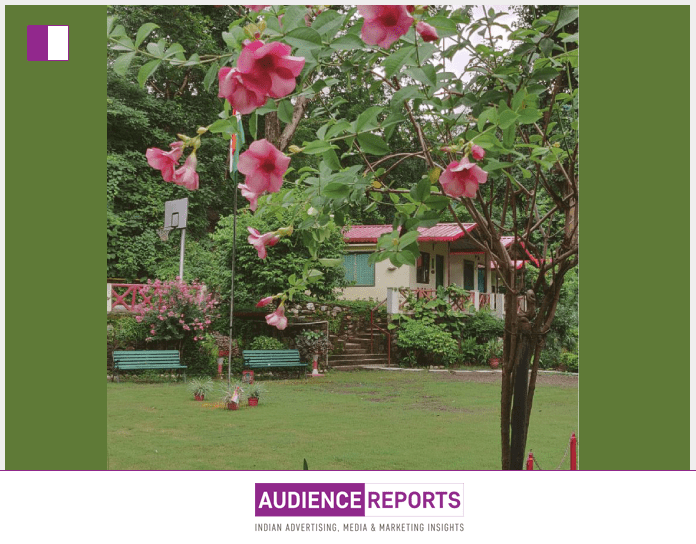
Detachment, according to Dilshad Master, is not about caring less. It is about giving your best effort and then finding the strength to step away when the time is right. This principle guided her through one of her most personal and difficult decisions the sale of Bull’s Retreat, an 18-room family-run resort in the mountains. Every detail, from curtains to menus, bore her imprint and the dedication of her family. Yet, financial realities, including pandemic-induced debts, demanded difficult choices. Even in the face of emotional ties, Dilshad Master prioritized the promise she had made to her father-in-law. She embraced detachment not as indifference but as an acknowledgment that leadership sometimes involves making choices that are pragmatic and necessary.
The story of Dilshad Master underscores a crucial dimension of resilience: the ability to separate personal ego from professional decisions. By learning to detach, she protects her capacity to innovate, adapt, and pursue new ventures without being weighed down by past projects or perceived failures. Her approach illustrates that resilience is not simply enduring difficulties but understanding when to let go, when to pivot, and when to trust that new opportunities will emerge.
Dilshad Master’s reflections also shed light on the emotional intelligence required in leadership. Being attached to outcomes can cloud judgment, foster unnecessary stress, and limit the ability to respond effectively to challenges. Her philosophy demonstrates that leaders who master detachment can maintain focus, act decisively, and cultivate sustainable growth, both for their organizations and for themselves.
Entrepreneurship, as Dilshad Master’s experience shows, is as much about mindset as it is about strategy. The courage to walk away, the insight to recognize when a venture has run its course, and the willingness to start anew are hallmarks of her approach. By sharing her story, Dilshad Master invites other leaders and entrepreneurs to reflect on how attachment might be affecting their decision-making, and how adopting detachment can foster both personal and professional resilience.
Ultimately, Dilshad Master demonstrates that resilience-led leadership is less about control and more about clarity. It is about investing energy where it matters, accepting outcomes beyond one’s control, and embracing change with integrity. Leaders who can adopt such a mindset, she shows, are better equipped to navigate the uncertainties of business and life.
Dilshad Master’s journey is an example of how thoughtful leadership, guided by the principle of detachment, can transform challenges into opportunities. Her experiences with Bull’s Adventures, the family legacy, and Bull’s Retreat illustrate that detachment does not diminish commitment or passion it refines them. By separating personal identity from professional attachment, Dilshad Master enables herself to act with courage, purpose, and resilience, demonstrating that true leadership often lies in the strength to move forward while letting go.
In conclusion, Dilshad Master’s insights offer a fresh perspective on entrepreneurship and leadership. Her story encourages leaders to examine where their attachments may hinder growth, to embrace the art of detachment, and to cultivate resilience that allows them to act decisively, ethically, and strategically. Through her experiences, Dilshad Master not only exemplifies resilience-led leadership but also inspires others to reconsider how they approach projects, relationships, and the inevitable transitions of professional life.