


































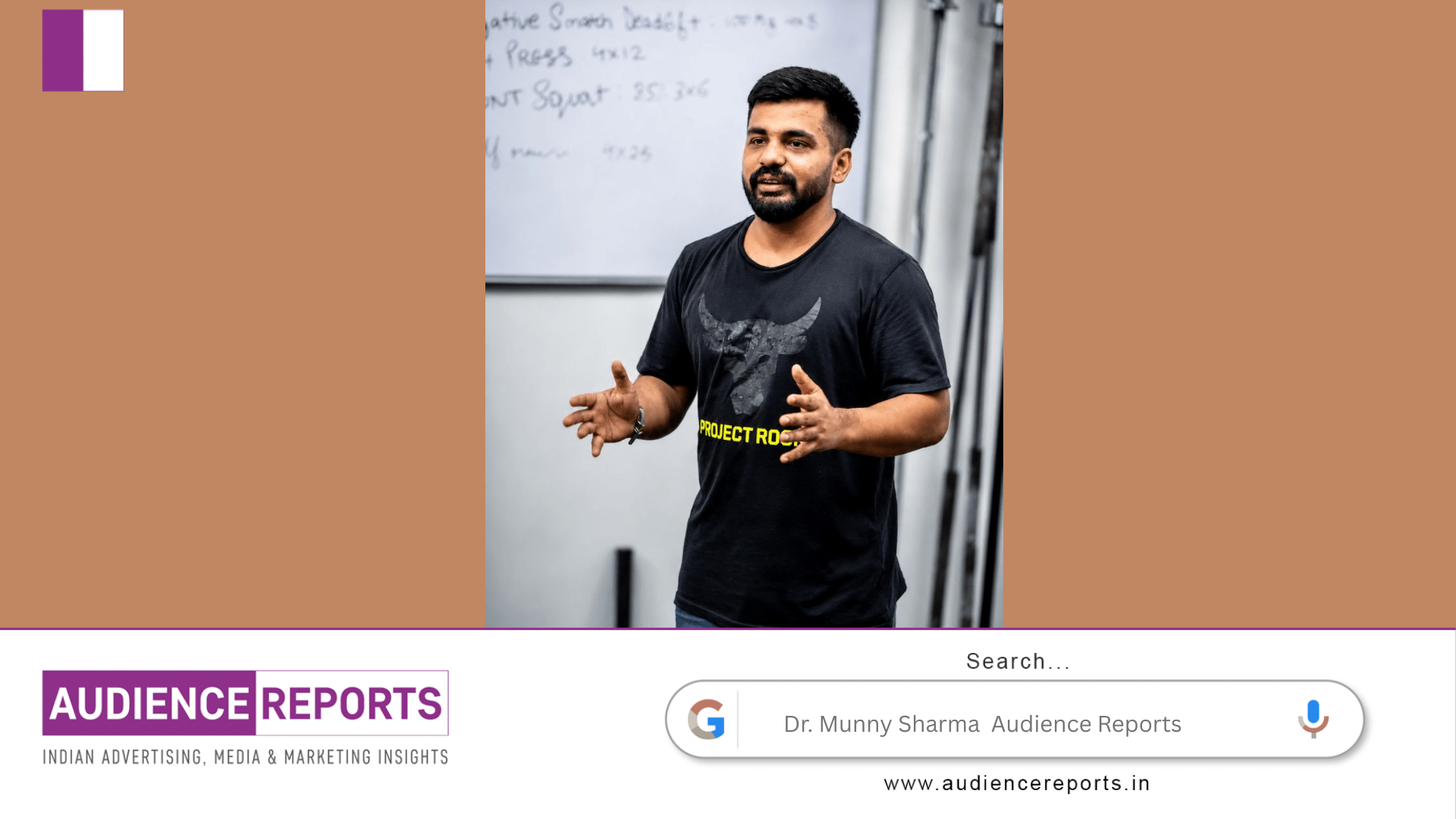
Dr. Munny Sharma shares an important perspective that resonates far beyond the fitness industry. His reflection highlights a lesson that many professionals eventually discover: expertise alone is not enough to create meaningful change. While technical knowledge is essential, the ability to understand people, solve real-world challenges, and build trust is what separates an average trainer from an exceptional coach. This shift in mindset is valuable not only for fitness professionals but for anyone who works with people to help them grow.
At the beginning of many careers, professionals often believe that success depends on accumulating more information. Fitness trainers spend years learning new exercises, studying anatomy, and mastering training techniques. While these skills are important, Dr. Munny Sharma, reminds us that coaching is much more than delivering workouts. Every client arrives with unique goals, challenges, fears, and motivations. Understanding these individual differences is what creates lasting progress.
One of the strongest insights from Dr. Munny Sharma, is that coaching starts with listening before instructing. A coach who understands why a client struggles can create a plan that addresses more than physical fitness. Some individuals need encouragement after repeated failures. Others require confidence because they doubt their abilities. Many simply need someone who genuinely believes they can improve. Technical knowledge provides the roadmap, but empathy helps clients stay on the journey.
Fitness is often viewed through the lens of physical transformation, yet the mental and emotional aspects are equally significant. Dr. Munny Sharma, emphasizes that effective coaching is about solving problems rather than prescribing random exercises. Every movement should have a purpose. Every workout should support a broader objective. When coaches understand the “why” behind every recommendation, they help clients appreciate the process instead of chasing quick results.
Another valuable lesson from Dr. Munny Sharma, is the importance of continuous learning. The fitness industry evolves rapidly with new research, updated methodologies, and changing client expectations. Coaches who stop learning eventually fall behind. Remaining curious allows professionals to refine their methods, question old assumptions, and adapt to new evidence. Lifelong learning is not a sign of weakness; it is evidence of commitment to professional excellence.
Many industries reward people for appearing to have all the answers. However, Dr. Munny Sharma, demonstrates that true growth begins when professionals acknowledge there is always more to learn. Every client interaction becomes an opportunity to gain new insights. Every challenge offers another lesson. This mindset encourages humility while strengthening expertise over time.
One reason coaching has such a lasting impact is that people rarely remember every technical detail. Instead, they remember experiences. Dr. Munny Sharma, points out that clients remember how a coach made them feel and the results they achieved together. A supportive environment builds confidence, encourages consistency, and helps people continue working toward their goals long after the coaching sessions end.
This perspective applies beyond fitness centers. Teachers, business leaders, mentors, healthcare professionals, and parents all influence others through relationships. Knowledge creates credibility, but compassion creates connection. Dr. Munny Sharma, highlights that sustainable success comes from combining both. When people feel understood, they become more willing to trust guidance and embrace positive change.
An effective coach also recognizes that every client progresses at a different pace. Comparing one individual to another often creates unnecessary frustration. Instead, personalized coaching acknowledges strengths, limitations, and unique circumstances. Dr. Munny Sharma, encourages professionals to move away from one-size-fits-all solutions and focus on what each individual truly needs to succeed.
Another important takeaway is the difference between completing sessions and creating lasting impact. Many trainers can guide someone through an hour-long workout, but meaningful coaching extends beyond the gym floor. It involves educating clients about healthy habits, helping them overcome setbacks, and encouraging consistency even when motivation fades. Dr. Munny Sharma, reinforces that the true measure of coaching is not the number of exercises taught but the positive habits clients continue building independently.
Trust also becomes the foundation of successful coaching relationships. Clients often share personal struggles, health concerns, or confidence issues that influence their progress. A coach who listens without judgment creates an environment where honest communication becomes possible. Dr. Munny Sharma, reminds us that meaningful progress begins when people feel safe enough to discuss both their strengths and their challenges.
Consistency remains another defining quality of impactful coaching. Quick transformations may capture attention on social media, but long-term health requires sustainable habits. Coaches who encourage gradual improvement help clients build routines they can maintain for years. Dr. Munny Sharma, highlights that long-lasting results are more valuable than temporary achievements because they improve overall quality of life rather than delivering short-term success.
The willingness to evolve also strengthens leadership. As industries change, coaches must embrace innovation while remaining grounded in proven principles. Whether learning new assessment techniques, improving communication skills, or understanding behavioral psychology, continuous development allows professionals to serve clients more effectively. Dr. Munny Sharma, demonstrates that growth is not a destination but an ongoing process.
Perhaps the most inspiring message is that coaching is fundamentally about people. Exercises, programs, and certifications are valuable tools, but they are only effective when used with purpose and understanding. Every client deserves attention, encouragement, and guidance tailored to their individual journey. Dr. Munny Sharma, reminds us that genuine coaching creates confidence alongside physical improvement, empowering individuals to achieve goals they once believed were impossible.
Ultimately, the journey from trainer to coach is a shift in perspective. Technical expertise builds competence, while empathy, communication, and continuous learning build lasting influence. Dr. Munny Sharma, shows that professionals who focus on understanding people instead of simply delivering information create deeper relationships and more meaningful outcomes. That lesson extends far beyond fitness, reminding us that real success comes from helping others grow with confidence, purpose, and lasting impact.