


















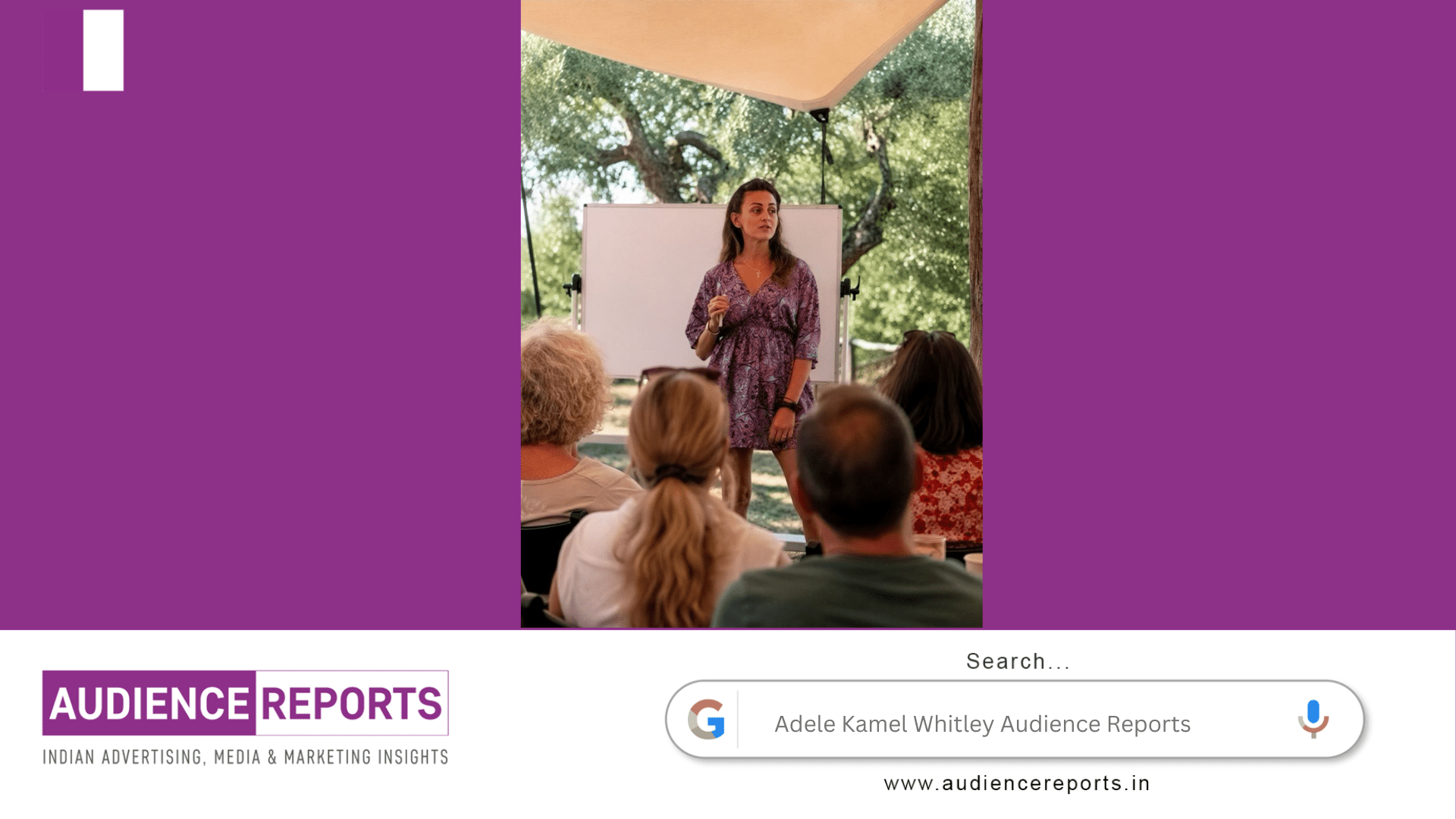
Adele Kamel Whitley reminds us that one of the greatest barriers to personal growth is not a lack of ambition or clarity. It is often the convincing stories we create to explain why we cannot move forward. As a Life Transformational Coach at Buy Yourself, Adele Kamel Whitley highlights an important reality: many people already know what they truly want, but they also possess countless logical explanations for remaining exactly where they are. These explanations may sound rational on the surface, yet they often conceal fear, uncertainty, or attachment to an outdated version of themselves.
The insight shared by Adele Kamel Whitley encourages us to look beyond obvious obstacles and examine the beliefs shaping our decisions. Modern life rewards intelligence, analysis, and careful planning. While these qualities are valuable, they can also become tools for maintaining comfort rather than creating progress. The more analytical a person becomes, the easier it is to justify delaying change with well-reasoned arguments.
Adele Kamel Whitley points out that the hardest coaching conversations are not necessarily with people who lack direction. Instead, they often involve individuals who know their desired destination but continuously explain why reaching it is impossible. Statements such as “The timing isn’t right,” “I should be grateful for what I have,” or “I’ve invested too much already” can sound sensible. Yet beneath these words may lie a deeper concern about uncertainty, failure, or letting go of familiar identities.
One of the most valuable lessons from Adele Kamel Whitley is the importance of listening to the story beneath the words. Every decision carries an internal narrative. Sometimes that narrative reflects genuine facts and practical limitations. At other times, it is built upon assumptions formed through past experiences, social expectations, or fear of disappointing others. Recognizing the difference requires honesty and thoughtful reflection.
Fear rarely introduces itself openly. Instead, it often disguises itself as responsibility, caution, or logic. This disguise makes it difficult to identify because it sounds reasonable. Adele Kamel Whitley reminds us that growth begins when we ask whether our explanations represent objective reality or simply comfortable beliefs protecting us from discomfort.
Self-awareness is a powerful skill because it allows individuals to question long-held assumptions. Rather than immediately accepting every thought as truth, people can examine where those thoughts originated. Were they formed through personal values, or were they inherited from family, society, workplace culture, or previous disappointments? Adele Kamel Whitley encourages individuals to distinguish between authentic personal desires and expectations they have unconsciously adopted from others.
Many people continue pursuing careers, relationships, or lifestyles that no longer align with who they have become. They stay because leaving feels risky, not necessarily because remaining is fulfilling. Over time, familiar routines become part of personal identity. Changing direction may feel like abandoning years of effort or admitting previous choices no longer fit. Yet growth often requires acknowledging that success in the past does not always define the best path for the future.
Adele Kamel Whitley introduces another meaningful question: Are we making conscious choices, or are we simply protecting identities we have already outgrown? This distinction matters because identity shapes every decision we make. When individuals define themselves by a particular role or achievement, changing course can feel like losing part of themselves. However, personal development often involves allowing identity to evolve alongside new experiences and aspirations.
Coaching plays an important role in this process because it creates space for reflection rather than immediate judgment. A skilled coach does not simply provide solutions. Instead, they help individuals recognize patterns they may overlook on their own. Adele Kamel Whitley emphasizes that sometimes people do not need another strategy, productivity system, or motivational technique. They need someone capable of hearing the hidden story influencing every decision.
This perspective highlights an important truth about personal transformation. External strategies become effective only when internal beliefs support them. Without addressing limiting assumptions, even the most detailed plans may fail because the individual unconsciously resists change. Real progress begins by aligning actions with authentic values rather than inherited fears.
Another valuable aspect of Adele Kamel Whitley ‘s message is the emphasis on curiosity instead of self-criticism. Questioning our thoughts does not mean judging ourselves harshly. It means becoming curious about why we believe certain things. Curiosity opens the door to learning, while judgment often reinforces existing fears. By asking thoughtful questions, individuals can gradually replace automatic assumptions with conscious choices.
The concept behind Buy Yourself reflects this deeper journey of self-understanding. Knowing oneself involves more than recognizing strengths or weaknesses. It means understanding recurring thought patterns, emotional responses, and decision-making habits. Adele Kamel Whitley suggests that when individuals become aware of these internal narratives, they gain the freedom to choose differently rather than repeating familiar cycles.
The question posed by Adele Kamel Whitley invites ongoing reflection rather than immediate answers. What are we currently calling logical that may actually be fear? The answer will differ for every person. For some, it may involve postponing a career change. For others, it could mean avoiding important conversations, delaying creative ambitions, or remaining in situations that no longer encourage growth. Whatever the circumstance, honest reflection creates opportunities that fear alone cannot provide.
Ultimately, Adele Kamel Whitley reminds us that transformation begins with awareness. Before changing our circumstances, we must first recognize the stories shaping our choices. Logic is an essential tool, but it should guide thoughtful decisions rather than disguise hidden fears. By questioning our assumptions, embracing self-awareness, and making conscious choices aligned with our genuine aspirations, we move closer to creating lives that reflect who we truly are. The enduring message from Adele Kamel Whitley is that meaningful change often starts not with finding better answers, but with asking ourselves better questions.